
SS 304: the 18/8 stainless that does most of the work
SS 304 (UNS S30400) is an austenitic stainless steel with about 18% chromium and 8% nickel, which is why it is called 18/8. It resists rust in air, water and most foods, welds easily and is non-magnetic when annealed. Jubilant Impex stocks 304 pipe, bar, sheet and wire in Bangalore with test certificates.

SS 304 specifications
Per ASTM A240 (plate, sheet and strip), UNS S30400, weight %
| C | 0.07 max |
|---|---|
| Mn | 2.00 max |
| P | 0.045 max |
| S | 0.030 max |
| Si | 0.75 max |
| Cr | 17.5–19.5 |
| Ni | 8.0–10.5 |
| N | 0.10 max |
ASTM A240 (annealed)
| Tensile strength | 515 MPa min |
|---|---|
| Yield strength (0.2% offset) | 205 MPa min |
| Elongation in 50 mm | 40% min |
| Hardness | 201 HB max / 92 HRBW max |
Typical values
| Density | 8.0 g/cm³ |
|---|---|
| Elastic modulus | 193 GPa |
| Mean thermal expansion, 0–100 °C | 17.2 µm/m·°C |
| Thermal conductivity at 100 °C | 16.2 W/m·K |
| Specific heat, 0–100 °C | 500 J/kg·K |
| Electrical resistivity | 0.72 µΩ·m |
Designations in other standards
| UNS | S30400 |
|---|---|
| EN / W.Nr. (DIN) | 1.4301 / X5CrNi18-10 |
| JIS | SUS304 |
| BS | 304S31 |
Available forms
Enquire about SS 304
Tell us grade, size, quantity and delivery location. Every consignment ships with a test certificate.
Request a quoteWhatsApp +91 98441 25506Or call 080-41159995
How SS 304 measures up
- Fe 72%
- Cr 18.5%
- Ni 9.2%
View as table
| Element | Nominal % |
|---|---|
| Fe | 72% |
| Cr | 18.5% |
| Ni | 9.2% |
View as table
| Property | Specified |
|---|---|
| Tensile strength | 515 MPa min |
| Yield strength | 205 MPa min |
View as table
| Grade | PREN |
|---|---|
| SS 303 | 18.0 |
| SS 321 | 18.0 |
| SS 304 | 18.5 |
| SS 304L | 18.5 |
| SS 316 | 25.2 |
| SS 316L | 25.2 |
If a drawing just says stainless steel and nothing else, the fabricator will usually assume 304. It is the most widely used stainless grade in the world, and for good reason. It forms, welds and polishes well, and it handles everyday corrosion without fuss.
That popularity also makes it the grade most often faked in the Indian market. So alongside the datasheet, this page explains how to make sure the SS 304 you pay for is really 304.
What genuine SS 304 should contain
Under ASTM A240, 304 needs 17.5–19.5% chromium and 8.0–10.5% nickel, with carbon held to 0.07% maximum. Nickel is the expensive element, and it is the one that gets cut when someone wants to sell cheaper material under the 304 name.
The usual substitute in the local market is 200-series stainless, such as 202, which replaces part of the nickel with manganese and nitrogen. It looks identical when new. The difference shows up months later as rust spots in a kitchen, a dairy or a coastal site. A proper mill or lab test certificate, matched to the heat number stamped on the material, is your protection. We supply every lot with a certificate through a government-recognised test house.
Where 304 is the sensible default
304 suits a very wide range of jobs because it balances cost, corrosion resistance and fabrication. Food and dairy equipment, brewery and beverage tanks, kitchen fittings, water lines, architectural trim and general chemical storage are all typical homes for it.
It is also comfortable at moderate heat. In air, 304 resists scaling in continuous service up to roughly 925 °C, though prolonged exposure in the 425–860 °C range can cause carbide precipitation that weakens corrosion resistance at grain boundaries. For hot welded work, see 304L.
| Property | 304 | 304L | 316 |
|---|---|---|---|
| Carbon, max | 0.07% | 0.030% | 0.08% |
| Chromium | 17.5–19.5% | 17.5–19.5% | 16.0–18.0% |
| Nickel | 8.0–10.5% | 8.0–12.0% | 10.0–14.0% |
| Molybdenum | None specified | None specified | 2.00–3.00% |
| Yield strength, min | 205 MPa | 170 MPa | 205 MPa |
| Best for | General use | Heavy welded sections | Chloride exposure |
Where 304 runs out of road
Chlorides are 304's weak point. Salt water, coastal spray, brine, swimming pool air and some cleaning chemicals can cause pitting and crevice corrosion. In warm chloride solutions, roughly above 60 °C, 304 is also at risk of stress corrosion cracking, which can split a stressed component with little warning.
For those conditions the usual step up is SS 316, which adds molybdenum. If you are weighing the two for a project, our 304 vs 316 comparison goes through cost and service life in more detail.
- Sea water and marine splash zones
- Hot chloride brines and some bleaches
- Strong reducing acids such as hydrochloric acid
- Sustained heating in the sensitising range when the steel is welded and not low-carbon
Is SS 304 magnetic? The magnet test explained
Annealed 304 is austenitic and essentially non-magnetic. Many buyers use a magnet as a quick check, and it is a useful first filter, but it is not proof. Cold working such as bending, drawing or roll-forming converts some austenite to martensite, so cold-drawn 304 wire, bent pipe and spun sheet often pick up a slight magnetic pull.
Equally, some 200-series grades are non-magnetic too, so a magnet cannot tell 202 from 304. The only reliable checks are the chemical analysis on the test certificate or a PMI (positive material identification) spectrometer reading.
Sheet and pipe finishes, and what each is for
The same 304 chemistry is sold in several surface finishes, and choosing the right one saves polishing cost later. 2B is the standard cold-rolled, annealed and pickled sheet finish, smooth and slightly dull, and it is what most fabricators use for tanks and equipment. BA, or bright annealed, has a more reflective surface straight from the mill and is common on kitchen and appliance work. No. 4 is a brushed, directional finish for visible panels and food counters. Hot-rolled plate comes with a rougher, pickled surface for heavier structural and process work.
Pipe and tube are normally supplied with a mill or pickled finish, with polished or bright annealed options for hygienic lines. Tell us the finish when you ask for a quote, because it changes the price and sometimes the lead time.
Welding and working 304
304 welds readily by TIG, MIG and stick processes, normally with 308 or 308L filler. Thin sheet rarely gives trouble. For thick sections or multi-pass welds that will later see acids or chlorides, low-carbon 304L is the safer specification. After welding, remove heat tint and any embedded carbon steel by pickling or passivation, otherwise rust spots can appear along the weld line within weeks. Keep stainless work away from grinding dust from mild steel in the same shop.
SS 304 forms we supply
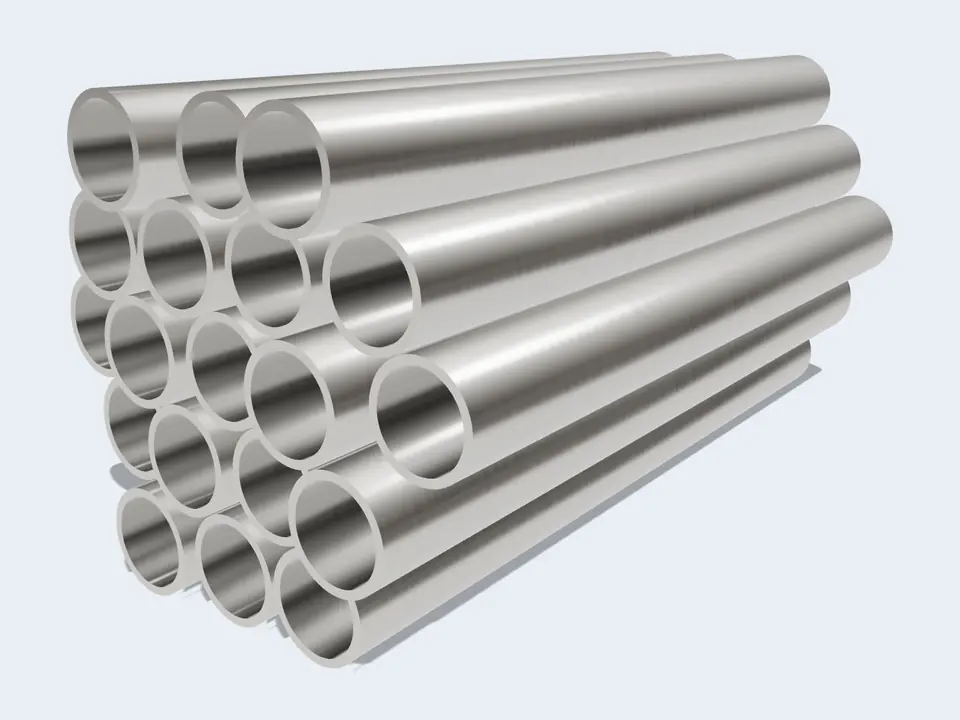
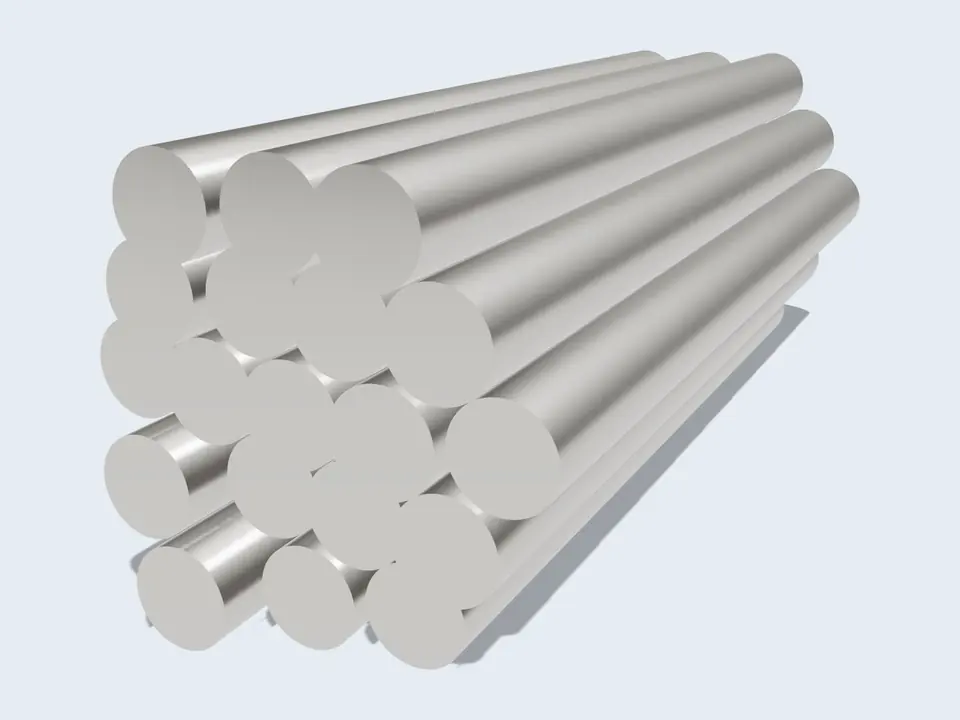
304 is available in more forms than any other grade on our list. That includes seamless and ERW pipe and tube, capillary tube, round, square and hex bar, wire, sheet, strip, angles, channels, flanges and pipe fittings, plus shim, perforated and corrugated sheet. Sizes are confirmed at enquiry. Tell us the form, size and quantity and the standard you need on the certificate, for example ASTM A312 for pipe or ASTM A240 for sheet.
Where SS 304 is used
Questions about SS 304
Still unsure? Call 080-41159995 or WhatsApp +91 98441 25506 and we will answer from the trade desk.
Is SS 304 food grade?
Yes, 304 is the most common stainless grade used for food contact surfaces, dairy equipment, kitchen sinks and cookware. It resists most food acids and cleaning routines. For very salty foods, brines or aggressive sanitisers, 316 is often preferred because molybdenum improves resistance to chloride pitting.
Does SS 304 rust?
304 does not rust in normal air, rainwater or most foods because its chromium forms a thin protective oxide film. It can show rust spots in salty or coastal air, under deposits, or when carbon steel particles from grinding or tools are left on the surface. Cleaning and passivation usually remove that contamination.
What does 18/8 stainless steel mean?
18/8 refers to roughly 18% chromium and 8% nickel, the nominal content of 304 stainless steel. Chromium gives corrosion resistance and nickel gives the austenitic, non-magnetic and ductile structure. The term is used loosely on cutlery and cookware, so check the actual grade on a certificate for industrial purchases.
What is the difference between SS 202 and SS 304?
202 replaces a large part of the nickel in 304 with manganese and nitrogen to cut cost. It is strong and looks similar, but its corrosion resistance is noticeably lower, so it rusts sooner in humid, salty or wet conditions. A chemical test certificate or PMI check is the reliable way to tell them apart.
Is 304 stainless steel suitable for outdoor use?
In inland urban and rural air, 304 performs well outdoors and stays bright with occasional cleaning. Near the coast, or where de-icing salt or industrial pollution is present, it tends to tea-stain and pit. For coastal Karnataka and similar locations, 316 is the safer choice for exposed fittings.
What standard should I ask for when buying 304?
It depends on the form. ASTM A240 covers 304 plate, sheet and strip, ASTM A276 and A479 cover bars, ASTM A312 covers pipe and ASTM A269 or A213 covers tube. The chemistry is close across them but not identical, so state the standard on your purchase order.
Keep exploring
Non-Magnetic (Austenitic) Stainless Steel Grades
Austenitic stainless steel grades are the nickel-bearing 300 series: non-magnetic when annealed and hardenable only by cold work.
View details →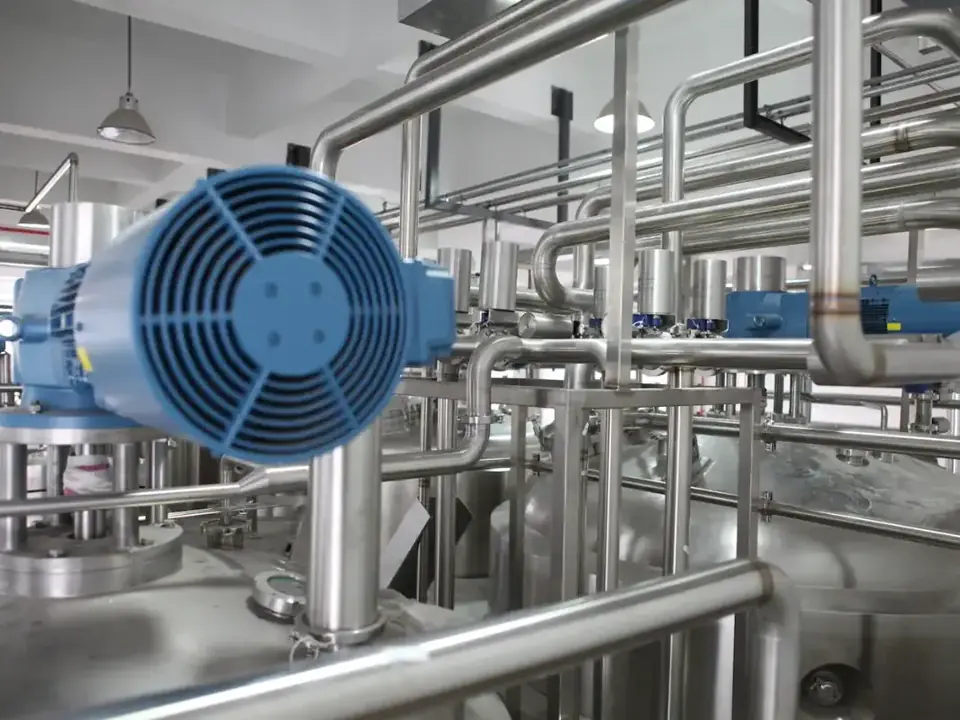
SS 304L
SS 304L (UNS S30403) is the low-carbon version of 304, with carbon limited to 0.030% maximum.
View details →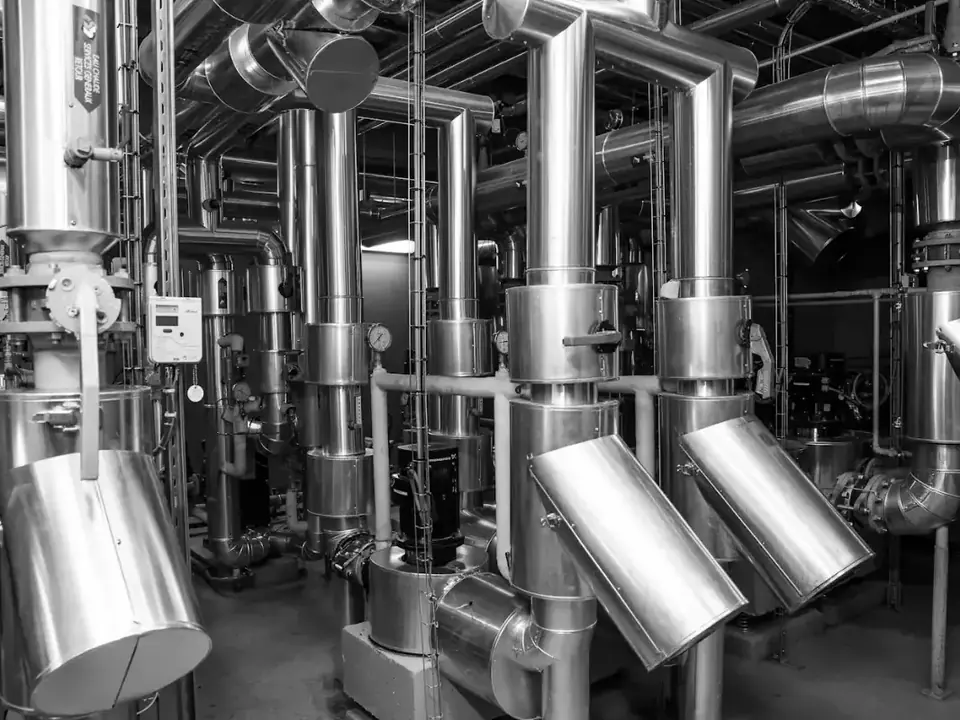
SS 316
SS 316 (UNS S31600) is an austenitic stainless steel containing 2–3% molybdenum, which gives it much better resistance to pitting…
View details →304 vs 316 Stainless Steel
The main difference between 304 and 316 stainless steel is molybdenum.
View details →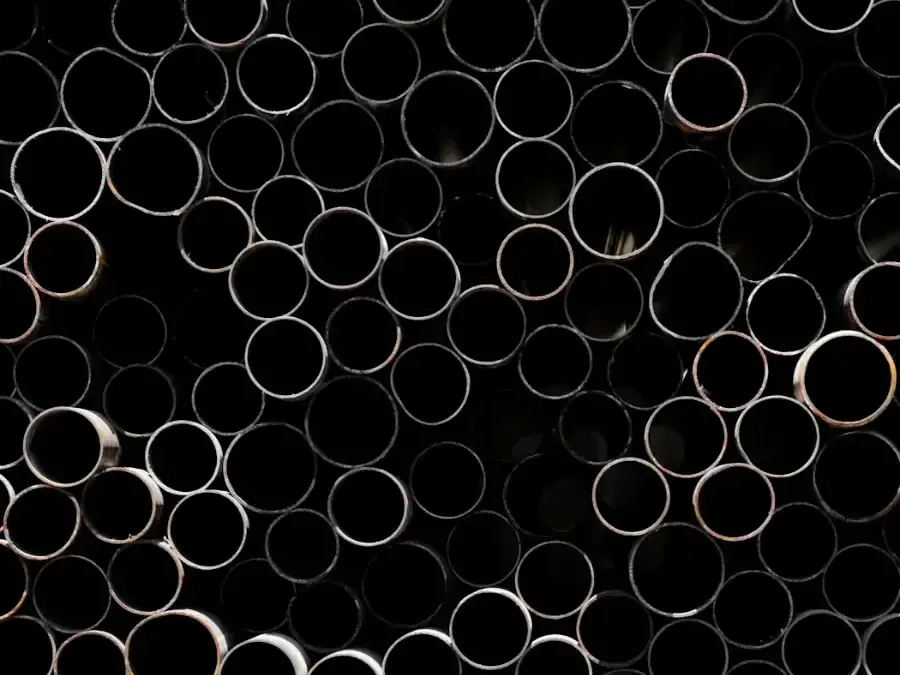
Stainless Steel Pipes & Tubes
Jubilant Impex is a stainless steel pipe supplier in Bangalore for seamless, welded (ERW) and capillary pipes and tubes in grades…
View details →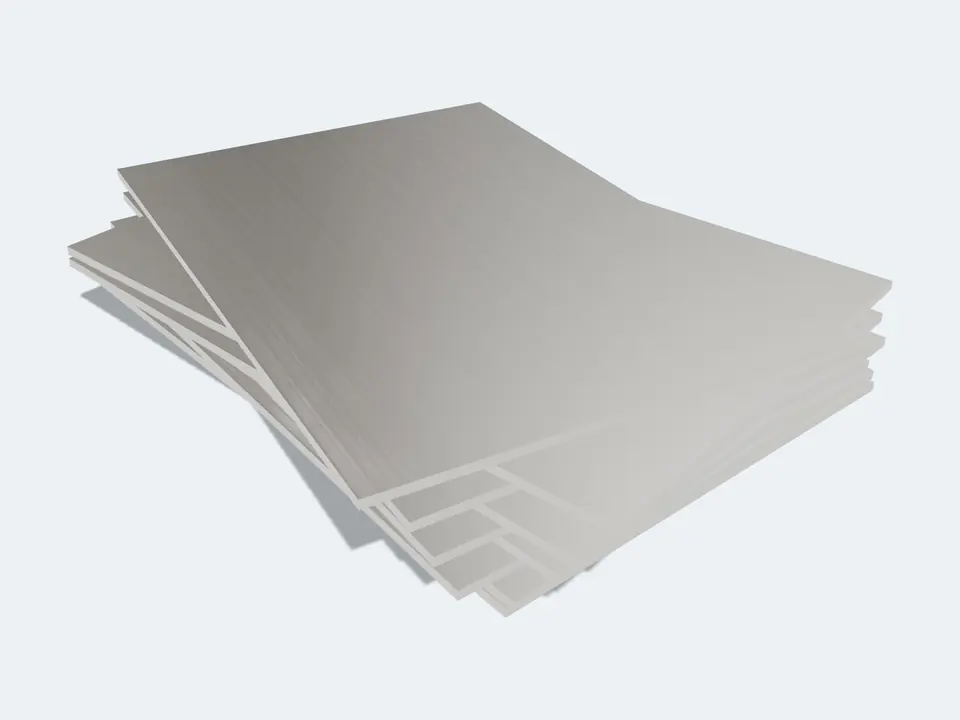
Stainless Steel Sheets, Strips, Angles & Channels
Jubilant Impex is an SS sheet dealer in Bangalore supplying stainless sheets in finishes such as 2B, BA, No. 1 and No. 4, slit…
View details →Food, Dairy & Beverage
Food grade stainless steel usually means 304 for most dairy, brewery and food equipment, and 316 or 316L where salt, brine,…
View details →
How to Read a Mill Test Certificate
To read a mill test certificate, first match the heat number on the certificate to the marking on the material.
View details →Need SS 304 with a test certificate?
Send the material, grade, size and quantity. We confirm availability and price, with the test certificate details.