
- Home
- Resources & Guides
Resources and guides for metal buyers
The Jubilant Impex resource library is a set of free, practical guides for engineers and purchase teams buying metals in India. It covers stainless grade selection, ERW versus seamless pipe, pipe schedule wall thicknesses, equivalent ASTM, EN, DIN, JIS and IS standards, brass compositions, IBR pipe rules and how to check a mill test certificate.

Plain answers to buying questions
304 vs 316 Stainless Steel
The main difference between 304 and 316 stainless steel is molybdenum.
View details →
ERW vs Seamless Pipe
Seamless pipe is made by piercing a solid billet, so it has no weld.
View details →
How to Read a Mill Test Certificate
To read a mill test certificate, first match the heat number on the certificate to the marking on the material.
View details →
Pipe Schedule Chart
A pipe schedule chart lists the wall thickness for each nominal pipe size (NPS) and schedule.
View details →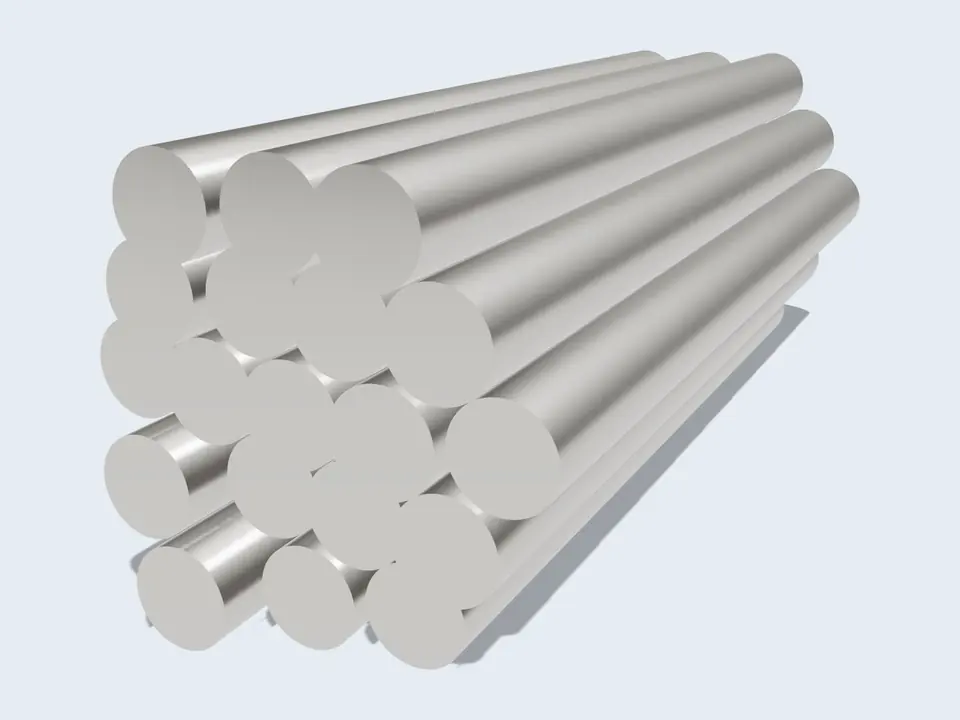
Stainless Steel Grade Chart
A stainless steel grade chart groups grades by family, and the grades here fall into four.
View details →
Stainless Steel vs Carbon Steel
Stainless steel contains at least 10.5% chromium, which forms a protective oxide film, so it resists rust without coating.
View details →ASTM vs EN, DIN and IS Equivalent Standards
Equivalent standards are specifications from different bodies that describe similar materials, such as ASTM A312 TP304 stainless…
View details →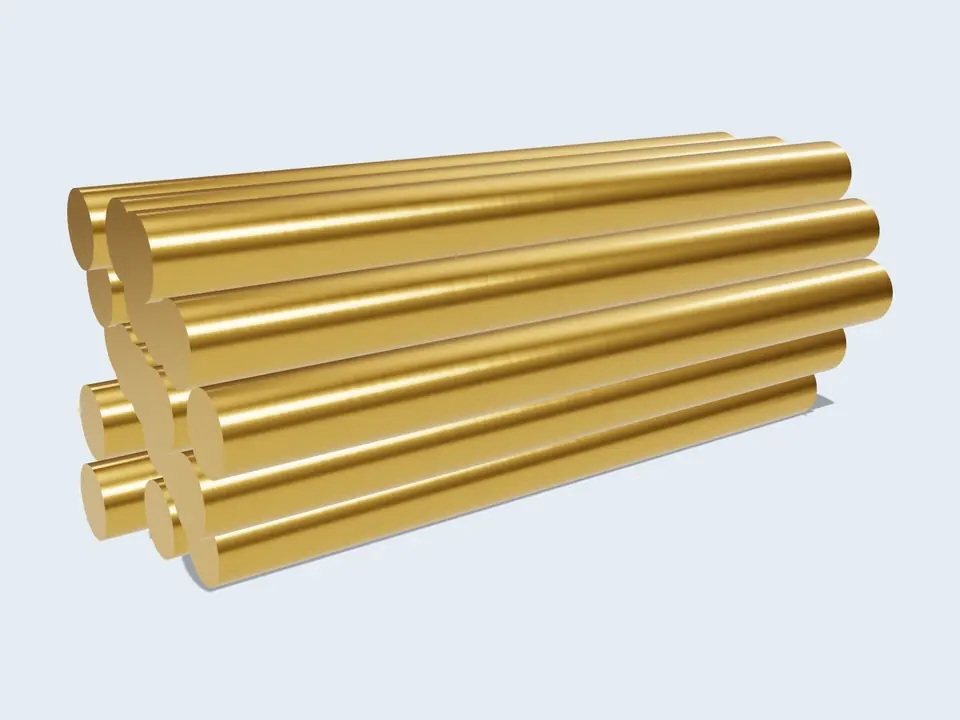
Brass 70/30 vs 63/37 vs 60/40
70/30, 63/37 and 60/40 brass are copper-zinc alloys named by their approximate copper-to-zinc ratio.
View details →
What Is an IBR Pipe?
An IBR pipe is a pipe manufactured, tested and certified to the Indian Boiler Regulations, 1950 for use in boilers and steam…
View details →These pages started as answers we kept giving on the phone. A buyer asks whether 304 will do for a brine line, or why the 12 inch Sch 40 pipe on site is thicker than the 40S on the drawing, and we explain. Writing it down once, with the numbers from the standard, saves everyone time.
Each guide is written for someone who has to make a purchasing decision, not pass an exam. Tables carry values from the relevant ASTM, ASME or EN standard, and we say where a figure is typical rather than specified.
Choosing a material
304 vs 316 stainless steel explains what the 2–3% molybdenum in 316 buys you, where it is worth paying for, and how to tell the two apart once they are on the rack.
Stainless steel vs carbon steel compares strength, corrosion, weight, heat behaviour and cost, and where each one makes more sense.
Stainless steel grade chart lays out the austenitic, ferritic, martensitic and duplex grades we deal in, with chromium, nickel and molybdenum ranges and whether each is magnetic.
Brass 70/30 vs 63/37 vs 60/40 covers the three common brass compositions and why the copper percentage changes how the metal forms, machines and corrodes.
Pipes, sizes and specifications
ERW vs seamless pipe walks through how each is made, the weld joint factor in pressure design, and which ASTM specifications allow which type.
Pipe schedule chart gives ASME B36.10 and B36.19 wall thicknesses for NPS ½ to 12, with notes on where Sch 40 and 40S differ.
ASTM vs EN, DIN and IS equivalent standards is a cross-reference for pipe, tube, stainless, copper and brass designations, with a warning on why equivalent rarely means identical.
Compliance and paperwork
What is an IBR pipe? explains when the Indian Boiler Regulations apply to a steam line, what Form III-A records, and how to check IBR material at receipt.
How to read a mill test certificate takes you block by block through a certificate, explains EN 10204 types 2.1 to 3.2, and lists the red flags QC teams look for.
Which guide to read first
If you are writing an indent for pipe, read the schedule chart and the ERW vs seamless guide together; most pipe queries need both. If you are approving a substitute material, start with the equivalent standards chart and then check the certificate guide. Steam lines need the IBR guide before anything else, because documentation decides whether the material can be used at all.
Using these guides
The guides are general information. Your design code, client specification or boiler inspector has the final word, and where a value matters to safety you should work from the current edition of the standard itself. If something here does not match what you are seeing on site, call us; it is often a sizing or edition difference that is quick to sort out.
View as table
| Guide | Minutes |
|---|---|
| 304 vs 316 Stainless Steel | 4 min |
| ERW vs Seamless Pipe | 4 min |
| How to Read a Mill Test Certificate | 4 min |
| Pipe Schedule Chart | 4 min |
| Stainless Steel Grade Chart | 4 min |
| Stainless Steel vs Carbon Steel | 4 min |
| ASTM vs EN, DIN and IS Equivalent Standards | 3 min |
| Brass 70/30 vs 63/37 vs 60/40 | 4 min |
| What Is an IBR Pipe? | 4 min |
Questions about Resources & Guides
Still unsure? Call 080-41159995 or WhatsApp +91 98441 25506 and we will answer from the trade desk.
What is the most commonly used stainless steel grade?
Type 304 is the most widely used stainless steel. Its 18% chromium and 8% nickel give good general corrosion resistance, easy forming and good weldability at a moderate price, which makes it the default for food equipment, kitchen fittings, tanks, architectural work and general process piping.
What does SS mean in pipe specifications?
SS stands for stainless steel. In a pipe line item it is usually followed by the grade and standard, such as SS 316L to ASTM A312. On pipe schedules, an S after the number (10S, 40S) marks the stainless steel schedules defined in ASME B36.19.
Are ASTM and ASME material specifications the same?
Mostly. ASME adopts many ASTM material specifications for its Boiler and Pressure Vessel Code and adds an S prefix, so ASTM A106 becomes ASME SA-106. The technical requirements are usually identical or very close; the SA version is the one cited for code-stamped pressure equipment.
Where can I find the chemical composition of a steel grade?
The authoritative source is the product standard the material is bought to, such as ASTM A240 for stainless plate or ASTM A312 for stainless pipe, because limits vary slightly between product forms. Grade charts and supplier pages are useful summaries but should be checked against the standard for critical work.
Is a higher grade number of stainless steel better?
No. Stainless grade numbers identify families and compositions, not quality rank. 316 is more corrosion resistant than 304, but 410 and 430 are lower-alloy magnetic grades, and 303 is a free-machining version of 304 with poorer corrosion resistance. Choose by service conditions, not by number.
Need it this week? Send us your list.
Send the material, grade, size and quantity. We confirm availability and price, with the test certificate details.