

- Home
- Industries We Serve
- Engineering & Machining
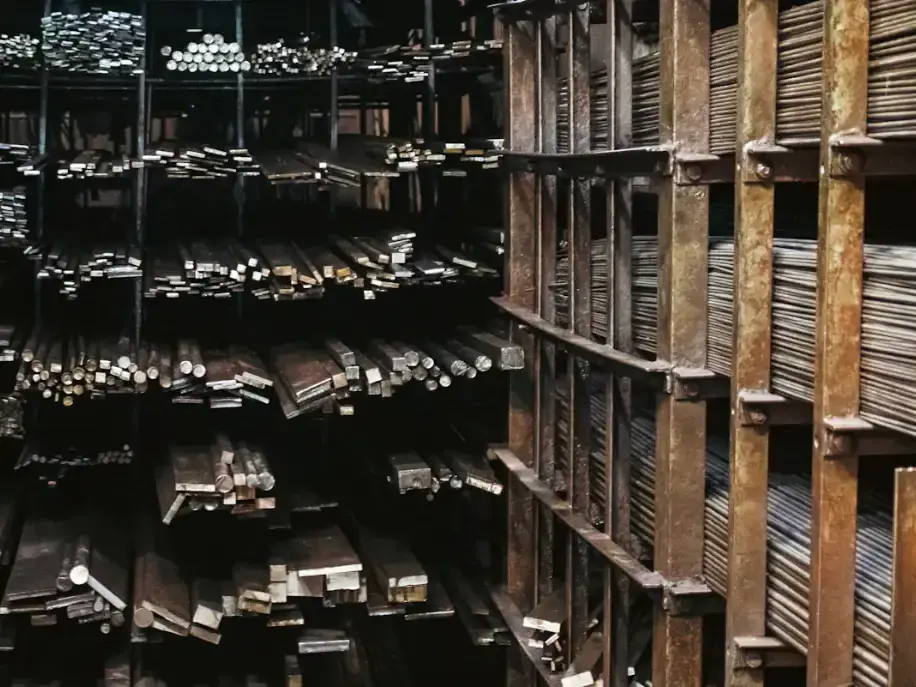
Bar stock for machining and general engineering
Machine shops buy bar stock by how it cuts and what the part must do. 303 stainless and leaded 60/40 brass machine fastest; 410, 420, 431 and 440 stainless harden for shafts, pins and wear parts; phosphor bronze and gun metal make bushes; HCHC die steel suits press tools. Jubilant Impex supplies bar stock for machining from Bangalore.
In a CNC job shop, material cost is only half the story. A bar that gives long stringy chips, builds up on the tool edge or work hardens under a dull insert can double the cycle time. A shop quoting piece prices for an OEM in Bommasandra or Hosur knows this better than anyone.
So this page groups our bar stock by the kind of part you are making.
High-volume turned parts
For fittings, connectors, inserts and anything made on a sliding-head or cam auto, machinability comes first. 303 stainless has added sulphur (0.15% min) that breaks chips and cuts tool wear compared with 304. The price is slightly lower corrosion resistance and poor weldability, so it is for parts that will not be welded.
In copper alloys, leaded 60/40 brass rod is the standard free-cutting material. It is the reason most plumbing and electrical inserts are brass: it machines at very high speeds with short chips and a good finish straight off the tool.
Whichever you choose, keep the grade consistent between batches. A shop that has tuned feeds and speeds on one heat of 303 will notice if the next lot is 304 sold as 303, which is one more reason to check the test certificate against the bar markings when stock arrives.
Shafts, pins and spindles
When a part needs strength and some corrosion resistance, the martensitic stainless grades take over. 410 is the general-purpose hardenable grade. 431 stainless adds nickel and more chromium, giving the toughest and most corrosion-resistant option in the family, and it is the usual pick for pump shafts, marine shafts and valve spindles. 304 and 316 bars are used for shafts where hardness is not needed but corrosion is.
All martensitic grades are magnetic, which surprises some buyers who test incoming stock with a magnet.
Cutting edges and wear parts
420 hardens further than 410 and is used for cutlery, surgical instruments and plastic mould parts. 440C has the highest carbon in the family and can reach about 58–60 HRC after hardening, so it goes into bearing races, valve seats, nozzles and knife blades. Expect slower machining in the annealed state than with 410.
Plan heat treatment before final machining. Martensitic bars are supplied annealed; rough-turn, harden and temper, then grind to size. Hardened 440C can still be ground, but turning it after hardening needs CBN or ceramic tooling and is rarely worth it.
What goes where
View as table
| Grade | PREN |
|---|---|
| SS 410 | 12.5 |
| Boiler Quality (B.Q.) Plates, HCHC & Tool Steel | 15.1 |
| SS 431 | 16.0 |
| SS 440 | 17.0 |
| SS 303 | 18.0 |
Grades and products buyers in this sector order
Stainless Steel Round, Square & Hex Bars
Jubilant Impex is an SS round bar supplier in Bangalore for round, square and hexagonal stainless bar in grades 303, 304, 304L,…
View details →SS 303
SS 303 (UNS S30300) is an 18/8 austenitic stainless steel with at least 0.15% sulphur added so chips break short and tools last…
View details →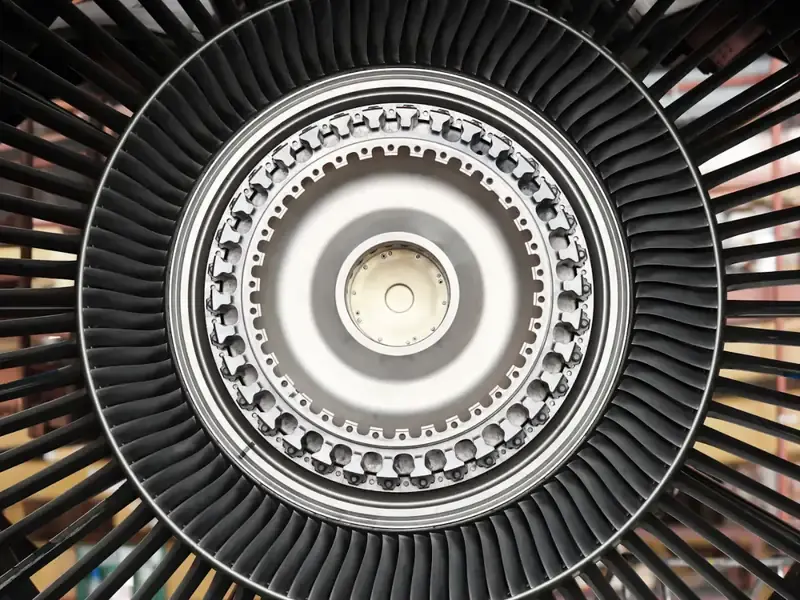
SS 410
SS 410 (UNS S41000) is a martensitic stainless steel with 11.5–13.5% chromium and 0.08–0.15% carbon.
View details →SS 431
SS 431 (UNS S43100) is a martensitic stainless steel with 15–17% chromium and 1.25–2.50% nickel.
View details →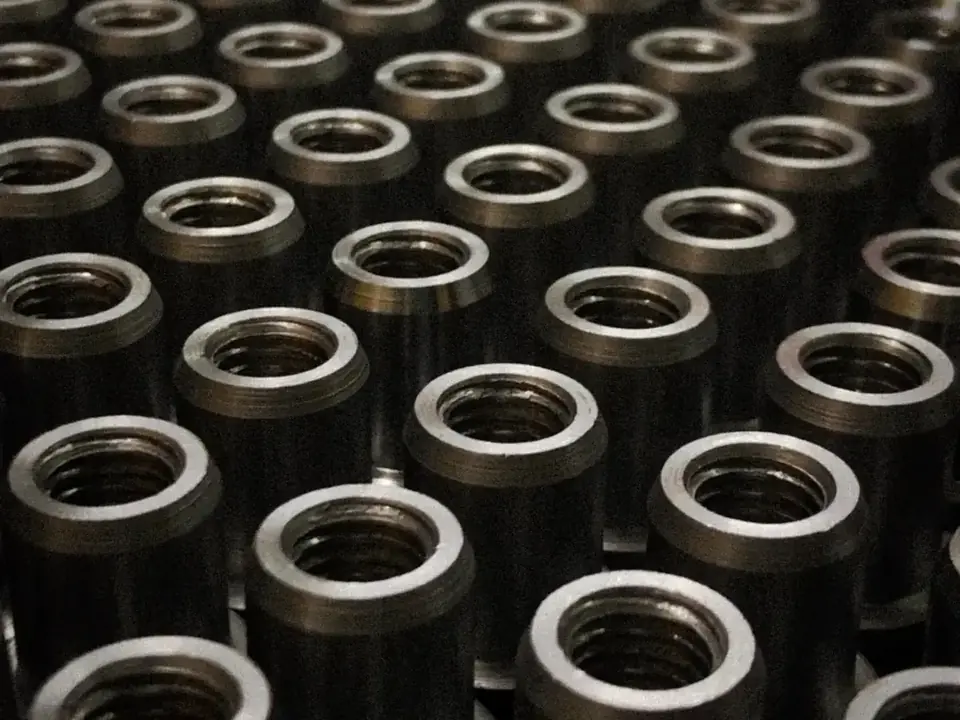
SS 440
SS 440 is a family of high-carbon martensitic stainless steels with 16–18% chromium.
View details →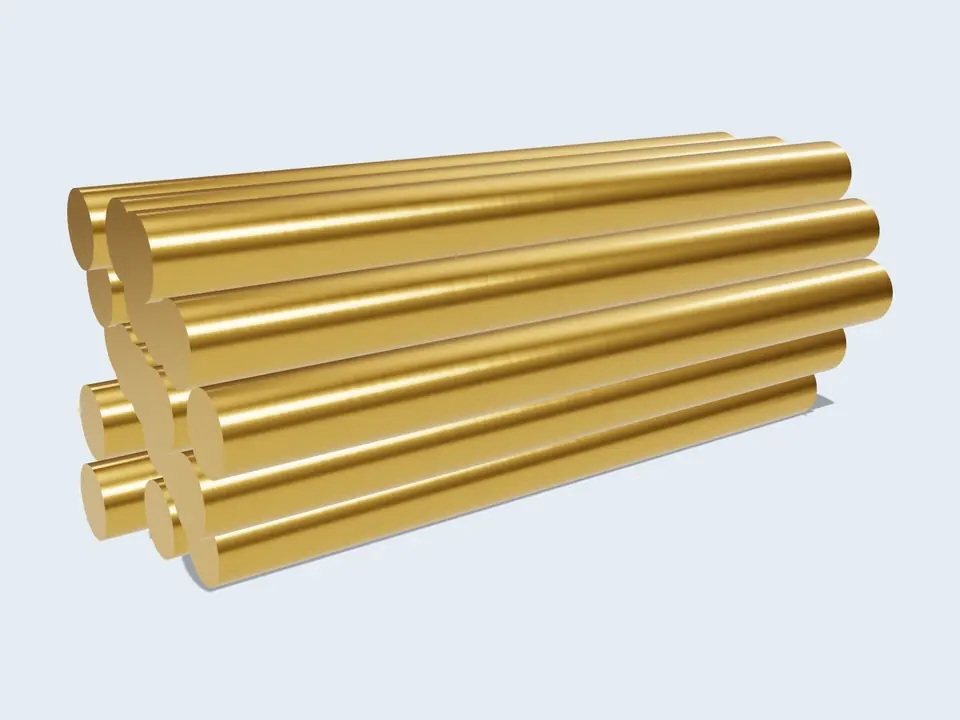
Brass Rods: Round, Hex & Square
Jubilant Impex supplies brass rod in Bangalore in round, hexagonal and square sections, either extruded or commercial quality.
View details →Phosphor Bronze
Phosphor bronze is copper alloyed with tin, typically 4–9 %, and a small phosphorus addition of 0.03–0.35 %.
View details →Gun Metal
Gun metal is a cast copper alloy of roughly 85 % copper with 5 % each of tin, lead and zinc, called LG2 in BS 1400 and C83600 in…
View details →Bushes and bearings
Phosphor bronze and gun metal are the workshop's bearing alloys. Phosphor bronze is stronger and more wear resistant, and is used for worm wheels, heavily loaded bushes and gears. Gun metal is easier to machine and more forgiving, and is common for general bushes, valve bodies and pump parts.
Dies, press tools and fixtures
Our mild steel range includes HCHC (high-carbon high-chromium) die steel and Bohler tool steel for blanking dies, punches, shear blades and forming tools. Mild steel plates and flats handle fixture bases and frames, and aluminium plate is popular for lightweight jigs because it machines quickly. Copper rod is used for EDM electrodes.
Ordering bar stock
Give us the grade, the shape (round, square, hex), the size across flats or diameter, and the length you need. If your part is turned from a hex, tell us the across-flats size rather than the finished part size. Peenya, Bommasandra and Jigani shops often buy short lengths for prototypes and full lengths for production; either is fine, and sizes are confirmed at enquiry.
Questions about Engineering & Machining
Still unsure? Call 080-41159995 or WhatsApp +91 98441 25506 and we will answer from the trade desk.
Which stainless steel is easiest to machine?
303 is the easiest-machining austenitic stainless steel. Its added sulphur forms inclusions that break chips and reduce tool wear, so it runs faster than 304 or 316 on lathes and screw machines. The trade-off is lower corrosion resistance and poor weldability, so it is used for parts that are machined but not welded.
Is 303 stainless steel weldable?
303 is generally considered non-weldable. Its high sulphur content tends to cause hot cracking in the weld metal. If a part needs both heavy machining and welding, 304 or a low-sulphur free-machining variant is a better choice. 303 is fine for parts that are only machined and assembled mechanically.
What is the difference between 410 and 431 stainless steel?
Both are hardenable martensitic stainless steels. 431 has more chromium (15–17%) and adds 1.25–2.5% nickel, giving higher strength, better toughness and better corrosion resistance than 410. 410 is cheaper and easier to machine. Choose 431 for shafts in water, pumps or marine use, and 410 for general parts.
What is HCHC steel used for?
HCHC means high-carbon high-chromium tool steel, typically the D2 or D3 type with around 1.5–2% carbon and 11–13% chromium. It has very high wear resistance after hardening and is used for blanking and piercing dies, punches, shear blades, thread rolling dies and gauges in press shops and tool rooms.
Why is brass used for machined parts?
Leaded free-cutting brass machines faster than almost any other common metal, with short chips, low tool wear and a bright finish. It also resists corrosion, conducts electricity and looks good without plating. That combination makes it the usual material for plumbing fittings, electrical terminals, inserts and precision turned components.
Other industries and guides

Oil & Gas
Most oil and gas piping is carbon steel, usually ASTM A106 Grade B seamless for process lines and A53 Grade B for utilities.
View details →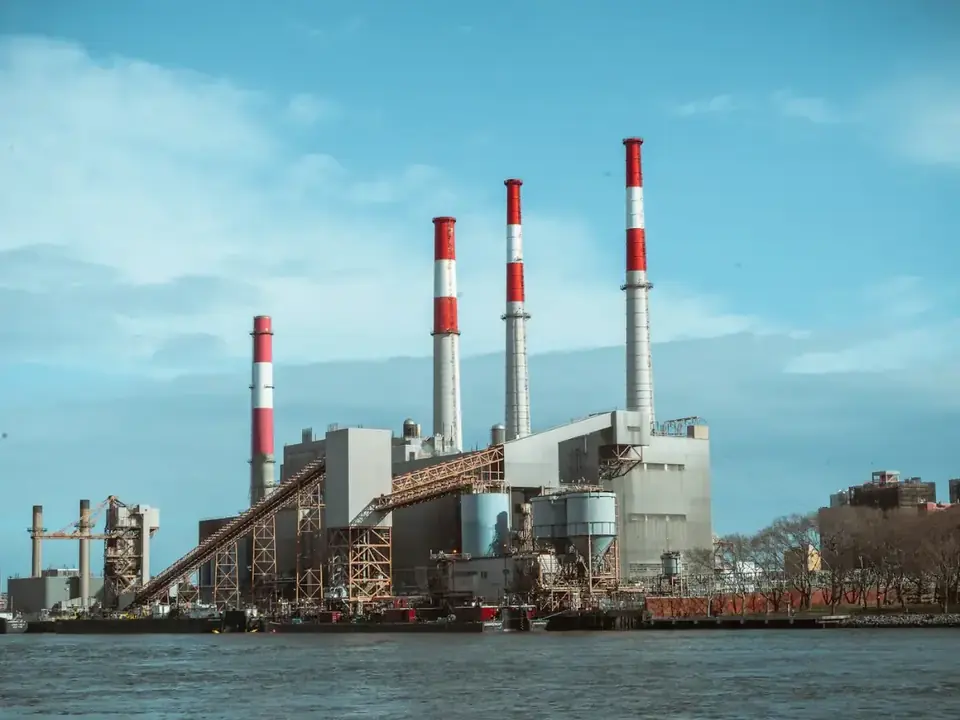
Power Plants & IBR Boilers
IBR boiler tubes and pipes are steel products made and tested to the Indian Boiler Regulations so they can be used in boilers and…
View details →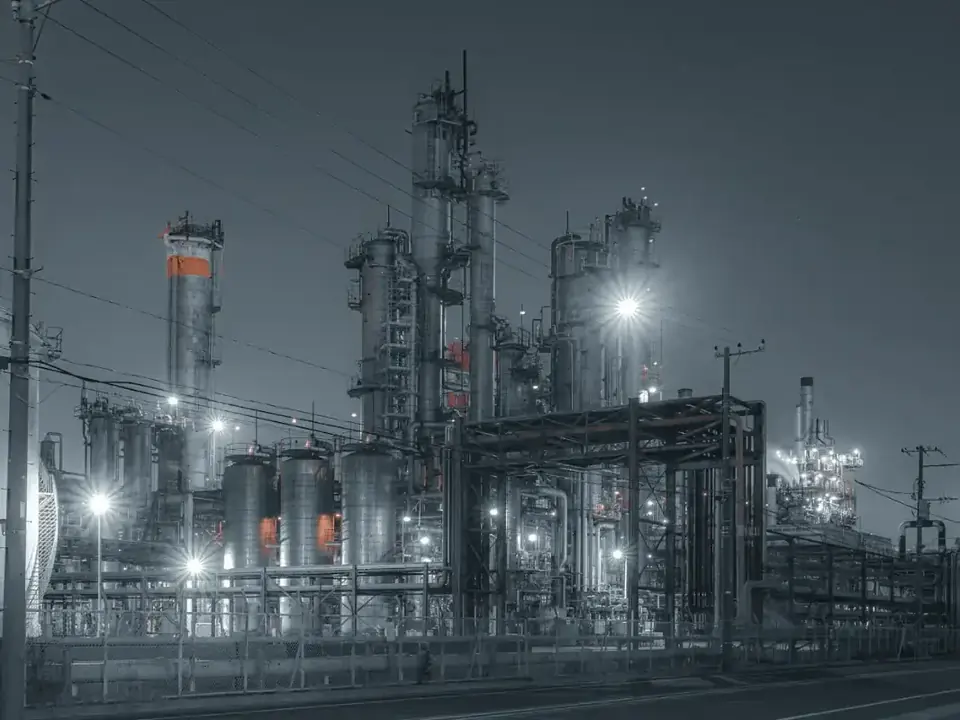
Chemical & Process Plants
In chemical plants the metal is chosen by the fluid it handles.
View details →
Pharmaceutical
Pharmaceutical grade stainless steel is normally 316L for product-contact parts and purified water or WFI systems, and 304 for…
View details →Supplying a engineering & machining project? Send the BOQ.
Send the material, grade, size and quantity. We confirm availability and price, with the test certificate details.