
- Home
- All Products
- Aluminium
Aluminium Sheets, Coils, Pipes and Extrusions in Bangalore
Jubilant Impex supplies aluminium from Indian mills, Hindalco (including the old Indal range) and Balco, from its S.P. Road counter in Bangalore. The range covers coils, sheets, plates, chequered plates, foils, round pipes, flats, strips, wires and extruded sections. Alloy, temper and size are confirmed at enquiry and material goes out with a test certificate.
Aluminium: grades and products
Hindalco Aluminium
Hindalco Industries is the Aditya Birla Group's aluminium and copper company, incorporated in 1958, with its first smelter at…
View details →
Balco Aluminium
BALCO, short for Bharat Aluminium Company Limited, is an aluminium producer based in Korba, Chhattisgarh.
View details →Aluminium Coils, Sheets & Plates
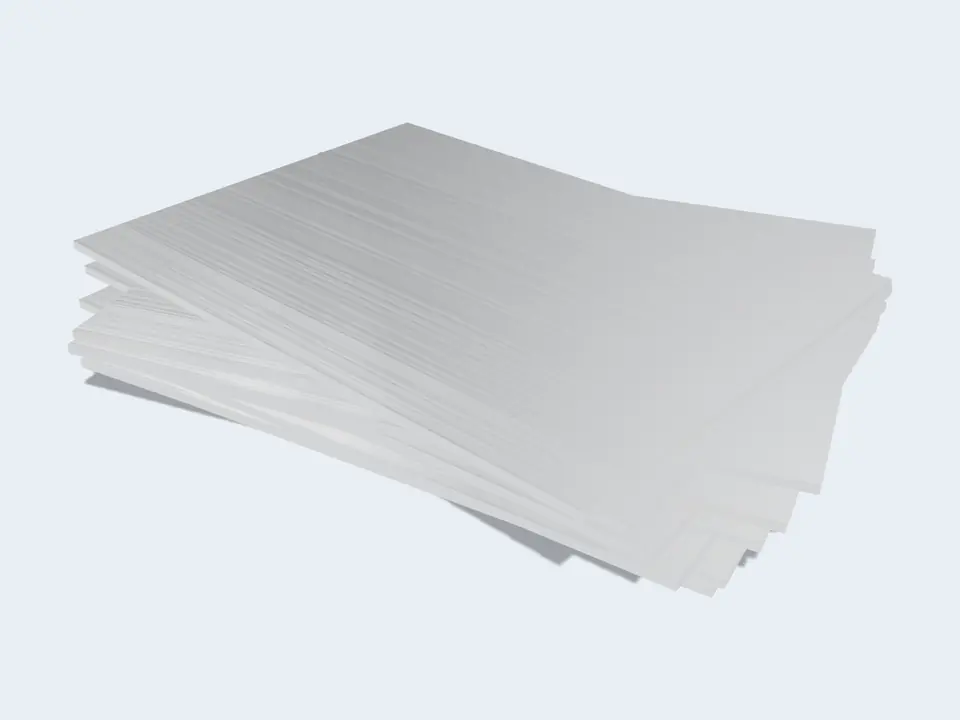
Aluminium sheet is flat-rolled aluminium generally between about 0.2 mm and 6 mm thick; above roughly 6 mm it is called plate,…
View details →Aluminium Chequered Plates
Aluminium chequered plate is rolled aluminium sheet or plate with a raised pattern, usually five-bar or diamond, on one face for…
View details →Aluminium Foils
Industrial aluminium foil is rolled aluminium thinner than about 0.15 mm, sold in coils or rolls by alloy, temper, thickness in…
View details →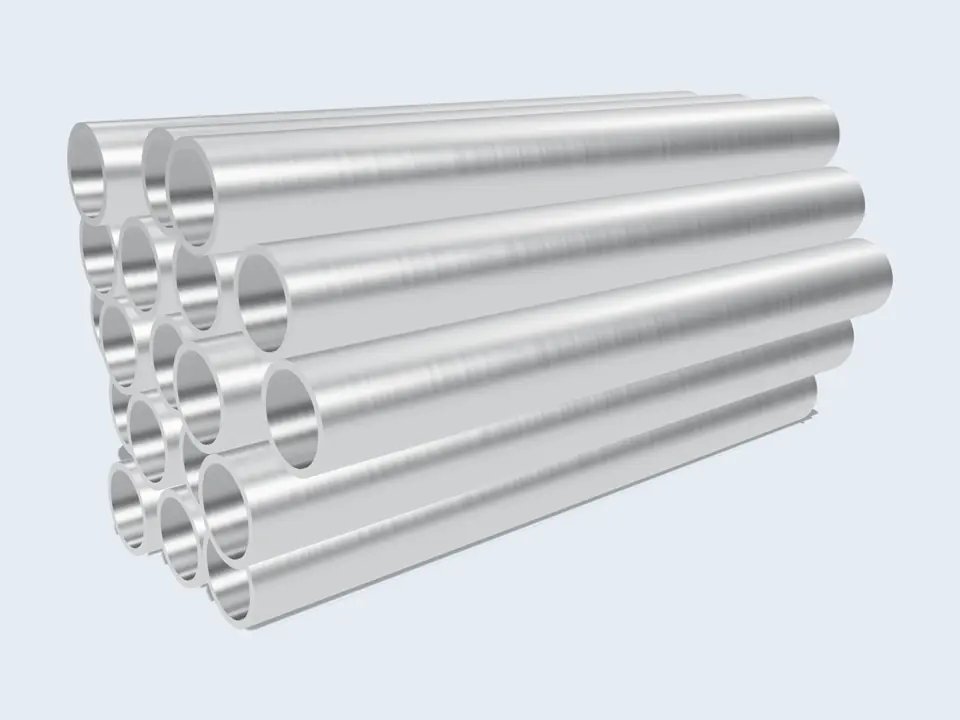
Aluminium Pipes, Flats & Extrusions
Aluminium pipes, flats and sections are made by extrusion, mostly from 6063 for general and architectural work and from 6061 or…
View details →Aluminium by the numbers
View as table
| Thickness | kg per m² |
|---|---|
| 0.5 mm | 1.4 kg/m² |
| 0.8 mm | 2.2 kg/m² |
| 1 mm | 2.7 kg/m² |
| 1.5 mm | 4.1 kg/m² |
| 2 mm | 5.4 kg/m² |
| 3 mm | 8.1 kg/m² |
| 5 mm | 13.5 kg/m² |
| 6 mm | 16.2 kg/m² |
| 10 mm | 27.0 kg/m² |
View as table
| Metal | Density |
|---|---|
| Aluminium | 2.70 g/cm³ |
| Antimony | 6.68 g/cm³ |
| Zinc | 7.14 g/cm³ |
| Tin | 7.29 g/cm³ |
| Duplex 2205 | 7.80 g/cm³ |
| Carbon & mild steel | 7.85 g/cm³ |
| Stainless 304 | 7.93 g/cm³ |
| Incoloy 825 | 8.14 g/cm³ |
| Inconel 625 | 8.44 g/cm³ |
| Brass 70/30 | 8.53 g/cm³ |
| Gun metal | 8.72 g/cm³ |
| Monel 400 | 8.80 g/cm³ |
| Phosphor bronze | 8.86 g/cm³ |
| Hastelloy C276 | 8.89 g/cm³ |
| Nickel | 8.90 g/cm³ |
| Copper | 8.94 g/cm³ |
| Lead | 11.34 g/cm³ |
Aluminium enquiries reach us in every possible shape. A panel builder in Peenya wants 2 mm sheet that will bend without cracking. A trailer body maker wants chequered plate for the floor. A machine shop wants a 6061 round for fixtures. The metal is the same element in all three cases, but the alloy, temper and form are different, and getting those three right matters more than anything else on the purchase order.
Our product sheet lists aluminium from Indian Aluminium (Hindalco) and Balco: coil, sheet, plates, foils, round pipes in all dimensions, flats, strips, wires, extrusions and chequered plates. As an aluminium sheet supplier in Bangalore, we get asked for every one of those forms, and this page sorts the range so you can reach the right detail page quickly.
Start with the form you need
Most buyers already know the form, so that is how the range is organised. Flat-rolled material, meaning coil, sheet and plate, is covered on the aluminium coils, sheets and plates page, with thickness bands, tempers and a weight formula. Patterned floor plate has its own page on aluminium chequered plates. Thin-gauge material for cable wrap, insulation laminates and fin work sits under foils.
Round pipes, flats, strips, wires and profiles are all extruded or drawn, and they share one page: aluminium pipes, flats and extrusions. That is where 6063 versus 6061 versus 6082 is explained.
Which aluminium alloy does what?
Pure aluminium is soft. Adding manganese, magnesium or magnesium plus silicon gives the alloys that do real work. The table below lists the alloys we are asked for most often, with their Indian Standard designation and the nearest Aluminum Association number. Indian and AA designations are close but not always identical in chemistry, so if your drawing names one system, quote that one.
Two rules of thumb help. Alloys in the 1xxx, 3xxx and 5xxx families get their strength from cold rolling and cannot be heat treated, so you buy them in an H temper. The 6xxx family is heat treatable, so you buy it as T4, T5 or T6.
| IS designation | Nearest AA | Type | What it is good at | Usual forms |
|---|---|---|---|---|
| 19500 | 1050 | Al 99.5 min, non-heat-treatable | Highest formability and conductivity of the common grades | Sheet, coil, foil |
| 19000 | 1100 / 1200 | Al 99.0 min, non-heat-treatable | General sheet work, spinning, reflectors | Sheet, coil, circles |
| 31000 | 3103 / 3003 | Al-Mn, non-heat-treatable | A little stronger than pure grades, still bends well | Sheet, chequered plate |
| 52000 | 5052 | Al-Mg 2.5, non-heat-treatable | Strength with good resistance to salt and moisture | Sheet, plate, chequered plate |
| 63400 | 6063 | Al-Mg-Si, heat-treatable | Clean extrusion surface, anodises well | Pipes, profiles, flats |
| 64430 | 6082 (old HE30) | Al-Mg-Si-Mn, heat-treatable | Higher strength structural sections and bars | Bars, flats, tubes |
Does the mill matter?
For most fabrication work, the alloy, temper and certificate matter more than the brand on the coil. Buyers still ask for a mill by name, usually because a drawing, a tender or a client approval list says so. If yours does, tell us at the enquiry stage. The background on each producer is on the Hindalco aluminium and Balco aluminium pages.
Paperwork that travels with the metal
Every lot can go out with a test certificate from a Government-recognised test house, as our letterhead has always said. For aluminium that report normally shows the chemical analysis against the alloy limits and, where you ask for it, tensile strength, proof stress and elongation for the temper ordered. If a mill test certificate is available for the lot, we pass that on too.
A common snag: a buyer orders 6061 and the drawing says T6, but nobody writes T6 on the purchase order. Annealed 6061 has roughly half the tensile strength of 6061-T6, and the part will not perform as designed. Put the temper on the PO and on the certificate request, and the problem never comes up.
Where Aluminium is used
Questions about Aluminium
Still unsure? Call 080-41159995 or WhatsApp +91 98441 25506 and we will answer from the trade desk.
Does aluminium rust?
Aluminium does not rust in the way steel does, because rust is iron oxide. Aluminium forms a thin, tight layer of aluminium oxide the moment it meets air, and that layer protects the metal underneath. It can still corrode in strong alkalis, some acids, or where it touches copper or steel in wet conditions.
What is IS 737?
IS 737 is the Indian Standard for wrought aluminium and aluminium alloy sheet and strip for general engineering purposes. It lists the alloys by Indian designation, such as 19000, 31000, 52000 and 63400, and sets their chemical composition, tempers and mechanical properties. Bars and sections fall under IS 733 and extruded tubes under IS 1285.
Which aluminium alloy is used for anodising?
6063 is the usual choice for decorative anodising on extrusions because its low alloy content gives an even, clear finish. Pure grades such as 1050 and 1100 also anodise well on sheet. Alloys with more copper or silicon tend to come out darker or patchy, so tell your anodiser the alloy before you buy.
Can aluminium be welded?
Yes. Most wrought grades, including 1050, 3003, 5052, 6061 and 6063, are welded by TIG or MIG with an aluminium filler wire such as 4043 or 5356. Heat-treated 6xxx material loses part of its strength next to the weld, which designers allow for. Surface oxide must be cleaned off just before welding.
Is aluminium magnetic?
No. Aluminium is not attracted to a magnet in any practical sense, which is one reason it is used for electrical enclosures, instrument housings and parts near sensors. A magnet test is therefore a quick way to separate aluminium from steel scrap or coated steel sheet, though not from other non-ferrous metals.
Keep exploring
Aluminium Coils, Sheets & Plates
Aluminium sheet is flat-rolled aluminium generally between about 0.2 mm and 6 mm thick; above roughly 6 mm it is called plate,…
View details →Aluminium Pipes, Flats & Extrusions
Aluminium pipes, flats and sections are made by extrusion, mostly from 6063 for general and architectural work and from 6061 or…
View details →Aluminium Chequered Plates
Aluminium chequered plate is rolled aluminium sheet or plate with a raised pattern, usually five-bar or diamond, on one face for…
View details →Aluminium Foils
Industrial aluminium foil is rolled aluminium thinner than about 0.15 mm, sold in coils or rolls by alloy, temper, thickness in…
View details →Hindalco Aluminium
Hindalco Industries is the Aditya Birla Group's aluminium and copper company, incorporated in 1958, with its first smelter at…
View details →Balco Aluminium
BALCO, short for Bharat Aluminium Company Limited, is an aluminium producer based in Korba, Chhattisgarh.
View details →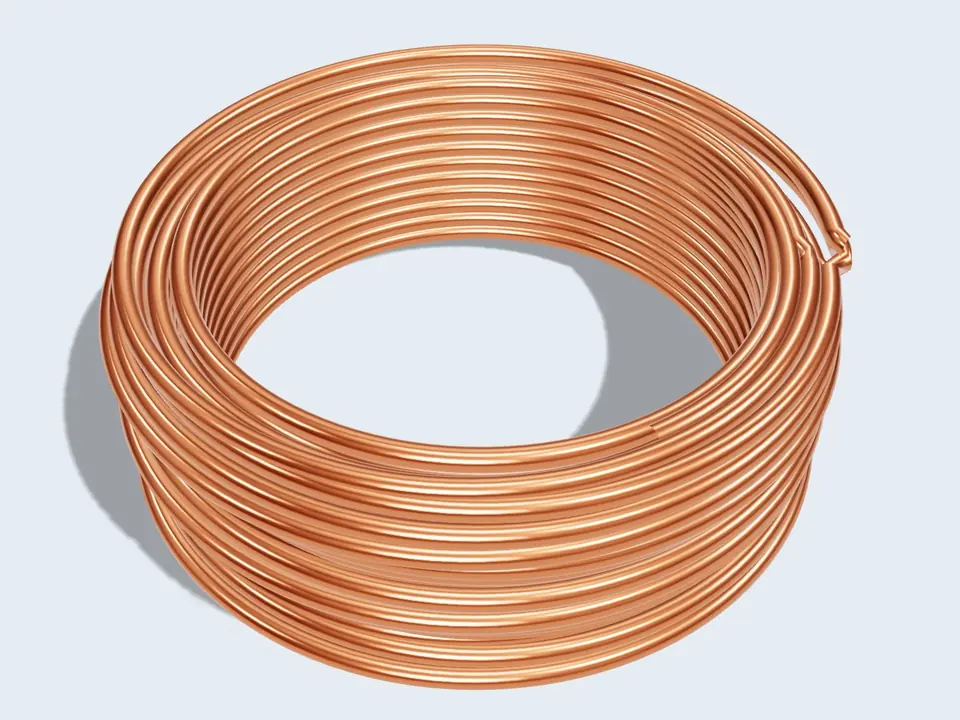
Refrigeration & HVAC
Refrigeration and HVAC systems rely on copper tubes for refrigerant lines and coils: soft annealed coils for field runs and…
View details →
Request a Quote
To request a quote for stainless steel pipes or any metal from Jubilant Impex in Bangalore, send the material, grade, standard,…
View details →Buying aluminium? Send us the spec.
Send the material, grade, size and quantity. We confirm availability and price, with the test certificate details.