
- Home
- All Products
- Brass
- Brass Pipes, Tubes & Capillary
Drawn brass pipes, tubes and capillary
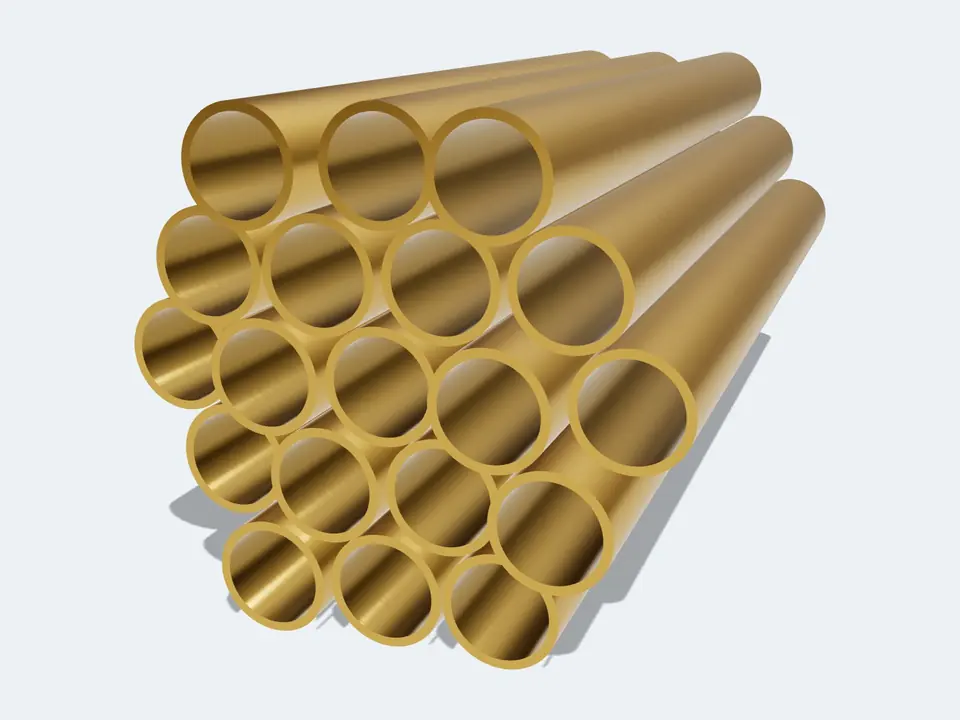
Jubilant Impex supplies brass pipe and tube in Bangalore, drawn in 70/30, 63/37 and 60/40 brass, along with small-bore brass capillary tube. Tubes are specified by outside diameter and wall thickness in mm or SWG, in annealed, half-hard or hard-drawn tempers, and are supplied with a test certificate from a Government-recognised test house.
Brass tube turns up in more places than most people notice: instrument lines, gauge connections, lamp stems, furniture, heat exchangers, bushes cut from thick-walled tube, and the bright rails in shop fittings.
Almost all of it is drawn. A hollow extruded shell is pulled through a die over a mandrel, again and again, until it reaches the final OD and wall. Drawing gives close tolerances and a clean bore, and the amount of drawing after the last anneal sets the temper.
Brass pipe or brass tube: what are you actually ordering?
The words get swapped freely on S.P. Road, but there is a real difference on a drawing. Pipe is sized by nominal bore, the way steel pipe is, with a wall thickness tied to that bore. Tube is sized by its actual outside diameter and wall thickness, for example 12.7 mm OD × 0.9 mm wall, or 1/2 inch OD × 20 SWG.
Most brass sold in India for engineering use is really tube, even when the enquiry says pipe. If you are matching an existing part, measure the OD with a vernier and the wall at the cut end, and send both numbers. That avoids the most common mix-up we see.
Ordering by OD and SWG
Wall thickness on Indian tube enquiries is still very often given in SWG (Standard Wire Gauge). The higher the number, the thinner the wall. The table further down converts the gauges you are most likely to meet into millimetres. If your drawing gives metric wall thickness, use that; we will not round it to the nearest gauge without telling you.
Which grade for which tube job?
70/30 brass is the tube to pick when the tube will be bent tightly, expanded into a tube plate, flared or used in water service, because it is the most ductile and the least prone to dezincification. Its arsenical form is the standard for condensers and the juice heaters in our sugar mill quality brass tubes range.
63/37 is the general engineering tube: lamp stems, furniture, handrails, instrument casings and pressure lines where the duty is mild. It costs less and bends well in the annealed temper.
60/40 tube is stronger but takes little cold work, so it suits straight runs, bushes and parts machined from thick-walled tube rather than tubes that will be bent or flared.
View as table
| Metal | Density |
|---|---|
| Aluminium | 2.70 g/cm³ |
| Antimony | 6.68 g/cm³ |
| Zinc | 7.14 g/cm³ |
| Tin | 7.29 g/cm³ |
| Duplex 2205 | 7.80 g/cm³ |
| Carbon & mild steel | 7.85 g/cm³ |
| Stainless 304 | 7.93 g/cm³ |
| Incoloy 825 | 8.14 g/cm³ |
| Inconel 625 | 8.44 g/cm³ |
| Brass 70/30 | 8.53 g/cm³ |
| Gun metal | 8.72 g/cm³ |
| Monel 400 | 8.80 g/cm³ |
| Phosphor bronze | 8.86 g/cm³ |
| Hastelloy C276 | 8.89 g/cm³ |
| Nickel | 8.90 g/cm³ |
| Copper | 8.94 g/cm³ |
| Lead | 11.34 g/cm³ |
Brass capillary tube
Capillary is simply very small-bore drawn tube, typically with an OD of a few millimetres and a bore well under 2 mm. In brass it is used for pressure gauge and instrument connections, thermostat and sensing lines, burner jets, model engineering and small fluid metering lines. Because the bore is so small, cleanliness and bore tolerance matter more than on ordinary tube, so tell us the bore you need as well as the OD.
For refrigeration circuits, copper capillary is the usual choice, and for corrosive or high-temperature service stainless steel capillary tubes are the better fit.
View as table
| OD × wall | grams per metre |
|---|---|
| 6.35 × 0.8 mm | 119 g/m |
| 9.52 × 0.8 mm | 187 g/m |
| 12.7 × 0.9 mm | 285 g/m |
| 15.88 × 1 mm | 399 g/m |
| 19.05 × 1 mm | 484 g/m |
| 25.4 × 1.2 mm | 778 g/m |
| 31.75 × 1.2 mm | 982 g/m |
| 38.1 × 1.5 mm | 1471 g/m |
Annealed, half hard or hard drawn?
Annealed tube is soft: it bends by hand or on a simple bender, flares and expands easily, but dents if handled carelessly. Half-hard tube holds its shape better and still bends on a proper former. Hard-drawn tube is stiff and straight, which suits rails, stems and parts that are machined, but it will kink or crack if you try to bend it tight.
If the tube is going to be bent, ask for annealed or half hard, and use a bending spring or a mandrel bender to stop the wall flattening.
| SWG | Wall thickness (mm) |
|---|---|
| 10 | 3.25 |
| 12 | 2.64 |
| 14 | 2.03 |
| 16 | 1.63 |
| 18 | 1.22 |
| 20 | 0.91 |
| 22 | 0.71 |
| 24 | 0.56 |
Weight and lengths
To estimate weight, use 0.0267 × (OD − wall) × wall, with both in millimetres, to get kilos per metre. A 25 mm OD tube with a 1.6 mm wall works out to about 1.0 kg per metre. Drawn tube is usually sold in straight lengths of a few metres, and capillary is often supplied in coils. When you ask us for brass pipe and tube in Bangalore, give running metres or pieces and we will convert to kilos for the quote.
Standards that turn up on drawings
- IS 407: brass tubes for general purposes, the Indian standard most 70/30 and 63/37 tube enquiries refer to
- IS 1545: solid drawn copper and copper alloy tubes for condensers and heat exchangers
- ASTM B135: seamless brass tube for general engineering, covering grades such as C26000, C27200 and C28000
- EN 12449: seamless round copper and copper alloy tubes for general purposes, which includes CuZn37
- BS 2871: the older British tube standard, still quoted on many Indian drawings
Where Brass Pipes, Tubes & Capillary is used
How to order it right
Questions about Brass Pipes, Tubes & Capillary
Still unsure? Call 080-41159995 or WhatsApp +91 98441 25506 and we will answer from the trade desk.
What is the difference between brass pipe and brass tube?
Pipe is specified by nominal bore with a wall tied to that bore, while tube is specified by actual outside diameter and wall thickness. In practice most brass sold in India for engineering use is tube, even when it is called pipe. Always send OD and wall thickness to avoid confusion.
What does SWG mean on a brass tube?
SWG stands for Standard Wire Gauge, an old British system still widely used in India to state tube wall thickness. A higher number means a thinner wall: 16 SWG is about 1.63 mm and 20 SWG is about 0.91 mm. Metric wall thickness is increasingly used on new drawings.
What is brass capillary tube used for?
Brass capillary tube is used for pressure gauge and instrument connections, thermostat sensing lines, burner jets, small fluid metering lines and model engineering. It is very small-bore drawn tube, usually a few millimetres OD with a bore under 2 mm, so bore size and cleanliness are important when ordering.
How do you bend brass tube without kinking it?
Use annealed or half-hard tube, not hard drawn. Support the wall with an internal or external bending spring, a mandrel bender or packed dry sand, and keep the bend radius generous, ideally at least three to four times the OD. Hard tube can be softened locally by annealing before bending.
Are brass pipes good for water lines?
Brass resists corrosion in most drinking water and has long been used for fittings and short pipe runs. In soft, acidic or chloride-rich water, high-zinc brass can dezincify, so 70/30 or dezincification-resistant brass is preferred. Lead content limits may also apply to drinking-water parts.
Is brass tube seamless?
Drawn brass tube is normally seamless, made by extruding or piercing a hollow shell and then cold drawing it to size. Standards such as ASTM B135 and IS 407 cover seamless brass tube. Welded brass tube exists for some decorative uses but is far less common in engineering supply.
Keep exploring
Brass
Jubilant Impex in Bangalore supplies brass in the three common copper–zinc ratios (70/30, 63/37 and 60/40) as round, hex and…
View details →Sugar Mill Quality Brass Pipes
In Indian sugar mills, "sugar mill quality" brass tube usually means seamless 70/30 arsenical brass (CuZn30As, BS CZ126, UNS…
View details →
Brass 70/30 (Cartridge Brass)
70/30 brass, also called cartridge brass (UNS C26000, EN CuZn30, BS CZ106), contains 68.5–71.5% copper with zinc as the balance.
View details →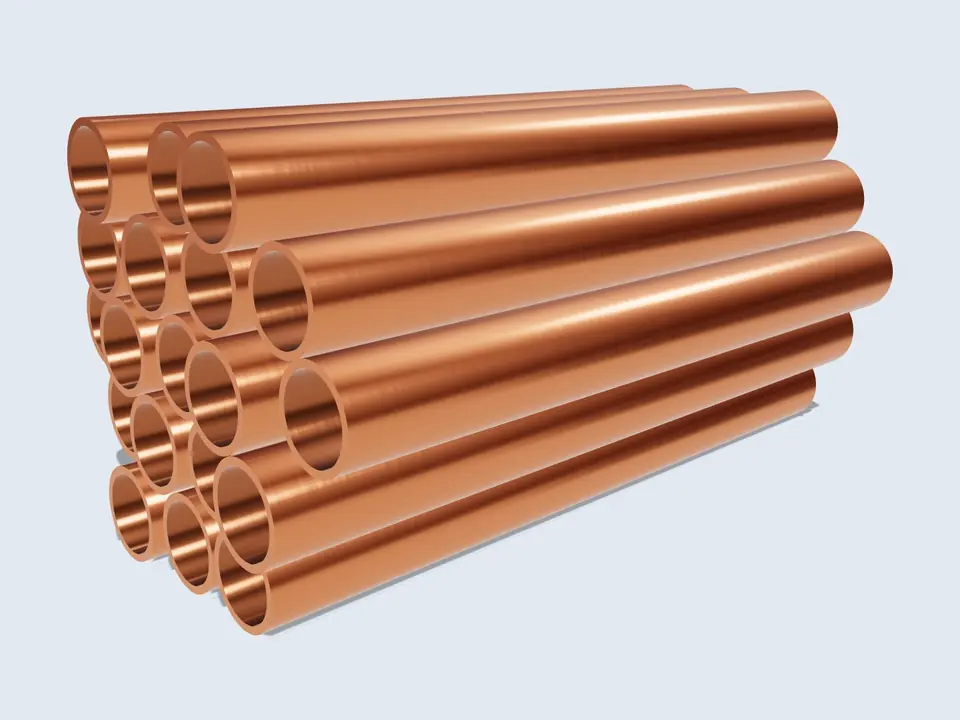
Copper Pipes & Tubes
Copper pipes and tubes are made from phosphorus-deoxidised (DHP) copper, C12200, which brazes without embrittling.
View details →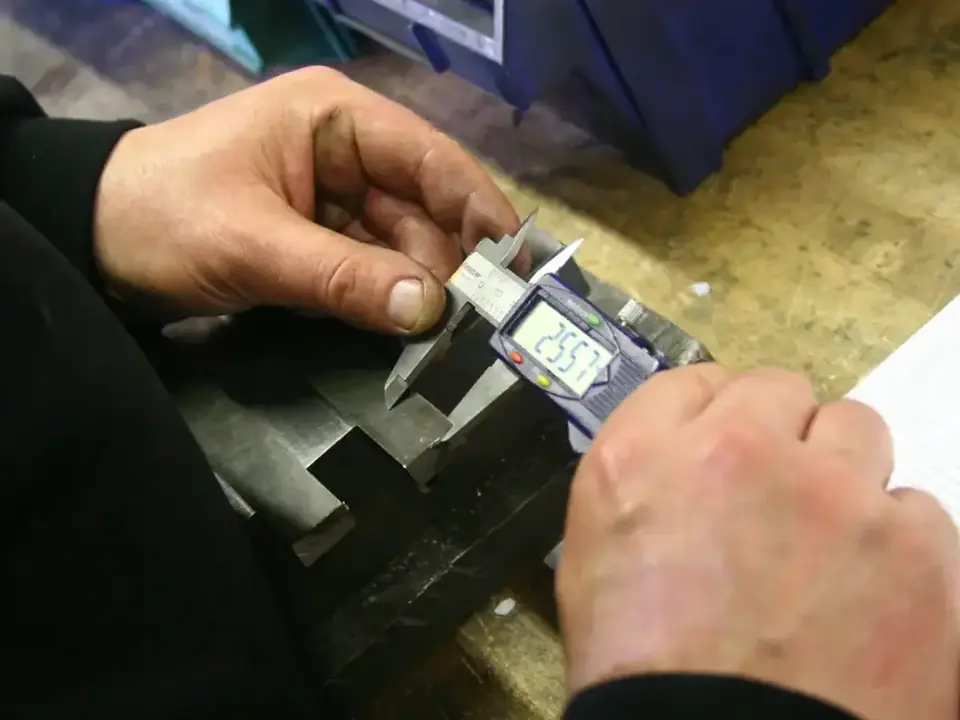
Stainless Steel Capillary Tubes
SS capillary tube is very small-bore stainless tubing, usually a few millimetres OD or less, cold drawn to a precise outside and…
View details →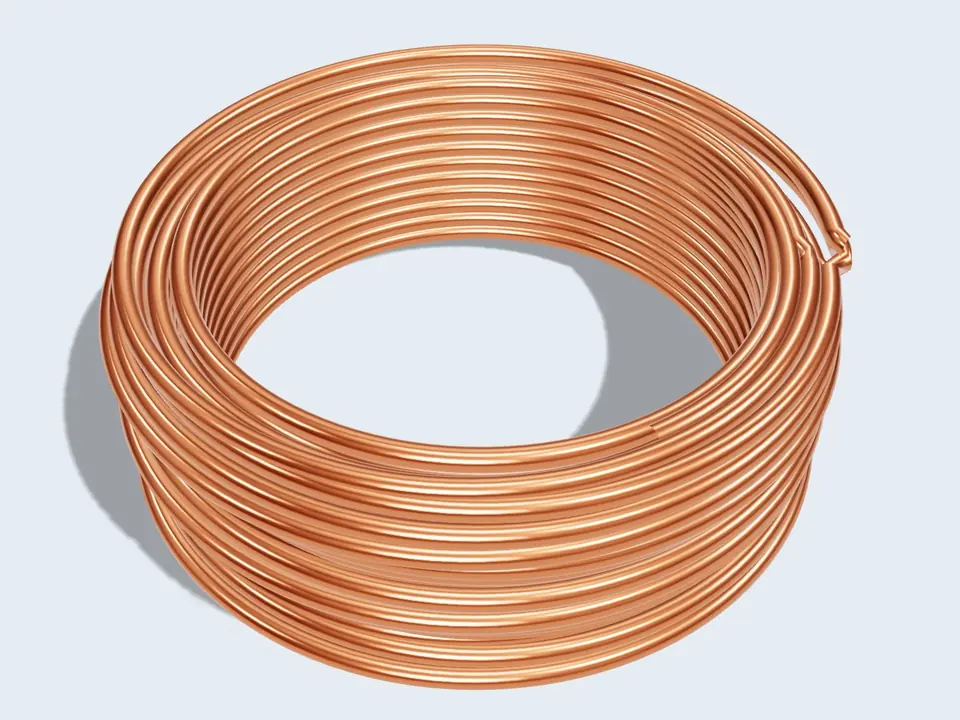
Refrigeration & HVAC
Refrigeration and HVAC systems rely on copper tubes for refrigerant lines and coils: soft annealed coils for field runs and…
View details →
How to Read a Mill Test Certificate
To read a mill test certificate, first match the heat number on the certificate to the marking on the material.
View details →Need brass pipes, tubes & capillary? Get a quote today.
Send the material, grade, size and quantity. We confirm availability and price, with the test certificate details.