
- Home
- All Products
- Ingots
- Zinc Ingots
Zinc Ingots: SHG 99.995 and IS 209 Grades
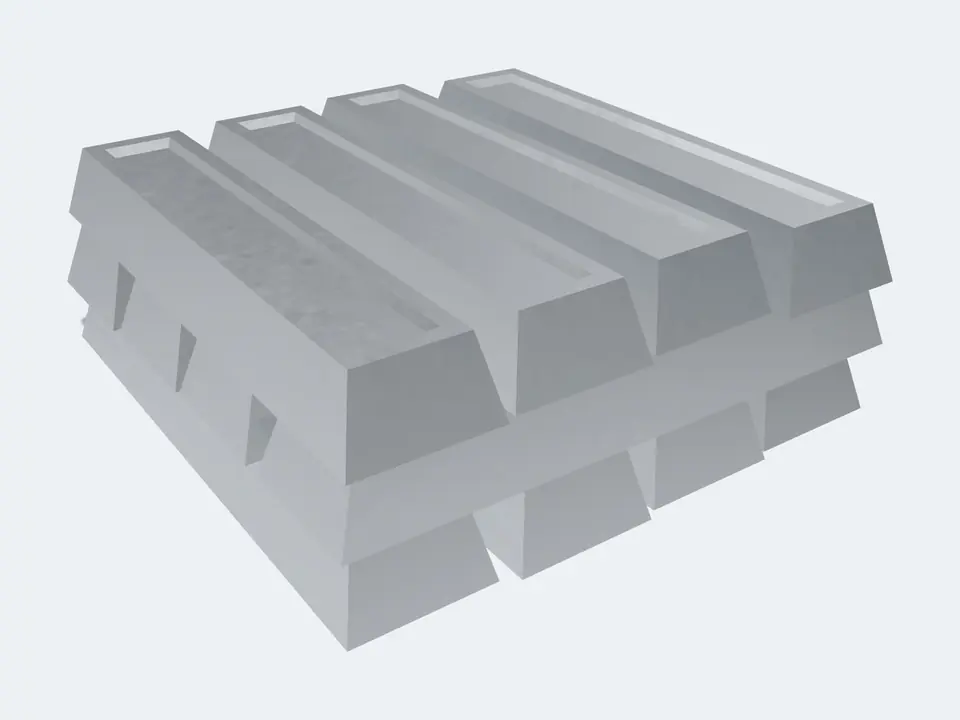
Zinc ingots are cast slabs of refined zinc graded by purity. The top grade, Special High Grade (SHG) zinc, is 99.995 percent zinc minimum under IS 209 and the LME, with lead, cadmium and iron held to a few thousandths of a percent. Jubilant Impex supplies zinc ingots in Bangalore for galvanising, alloy making and brass production.
Zinc Ingots specifications
Typical values
| Density | 7.14 g/cm³ |
|---|---|
| Melting point | 419.5 °C |
| Boiling point | 907 °C |
| Atomic number | 30 |
Enquire about Zinc Ingots
Tell us grade, size, quantity and delivery location. Every consignment ships with a test certificate.
Request a quoteWhatsApp +91 98441 25506Or call 080-41159995
How Zinc Ingots measures up
View as table
| Metal | Density |
|---|---|
| Aluminium | 2.70 g/cm³ |
| Antimony | 6.68 g/cm³ |
| Zinc | 7.14 g/cm³ |
| Tin | 7.29 g/cm³ |
| Duplex 2205 | 7.80 g/cm³ |
| Carbon & mild steel | 7.85 g/cm³ |
| Stainless 304 | 7.93 g/cm³ |
| Incoloy 825 | 8.14 g/cm³ |
| Inconel 625 | 8.44 g/cm³ |
| Brass 70/30 | 8.53 g/cm³ |
| Gun metal | 8.72 g/cm³ |
| Monel 400 | 8.80 g/cm³ |
| Phosphor bronze | 8.86 g/cm³ |
| Hastelloy C276 | 8.89 g/cm³ |
| Nickel | 8.90 g/cm³ |
| Copper | 8.94 g/cm³ |
| Lead | 11.34 g/cm³ |
Most zinc in India goes onto steel. Galvanised pipes, transmission towers, crash barriers, fasteners and roofing sheet all carry a zinc coating, and the zinc for those coatings is charged into the kettle as ingot. The rest goes into zinc die-casting alloys, brass, zinc oxide and chemicals.
Each of those users cares about purity for a different reason, and the grade you order should follow from that. This page sets out the IS 209 grades, explains what SHG really means, and shows where each grade fits.
What is SHG zinc?
SHG stands for Special High Grade. In Indian trade it means zinc of 99.995 percent minimum purity, the grade added to IS 209 by its second amendment in 2010. The same figure is the London Metal Exchange delivery grade, and BS EN 1179 grade Z1, ISO 752 ZN-1 and the LME grade in ASTM B6 all set 99.995 percent zinc with essentially the same impurity limits.
In SHG zinc, total impurities may not exceed 0.005 percent. Lead and cadmium are each held to 0.003 percent, iron to 0.002, and tin, copper and aluminium to 0.001. SHG is the most commonly traded grade, so it is usually what a buyer is offered unless the enquiry asks for something else.
Zn 99.995, 99.99 or 99.95?
IS 209 originally listed two grades, Zn 99.99 and Zn 99.95, and the 2010 amendment added Zn 99.995. The difference lies almost entirely in lead, cadmium and iron. Zn 99.95 allows up to 0.025 percent lead, about eight times the SHG limit.
For zinc die-casting alloys such as the Zamak family, SHG is a must. Lead, cadmium and tin above tiny levels cause intergranular corrosion in zinc-aluminium alloys, which makes castings swell, crack and crumble over time. Alloy makers therefore buy SHG and add only the aluminium, copper and magnesium they want.
For hot-dip galvanising, the bath chemistry is managed by the galvaniser, and many use SHG as the base and add controlled amounts of other elements themselves. Brass mills and zinc oxide makers often accept a lower grade, depending on their own product specification.
| Element | Zn 99.995 (SHG) | Zn 99.99 |
|---|---|---|
| Zinc, min | 99.995 | 99.99 |
| Lead | 0.003 | 0.003 |
| Cadmium | 0.003 | 0.003 |
| Iron | 0.002 | 0.003 |
| Tin | 0.001 | 0.001 |
| Copper | 0.001 | 0.002 |
| Total impurities | 0.005 | 0.01 |
Galvanising: why kettle zinc matters
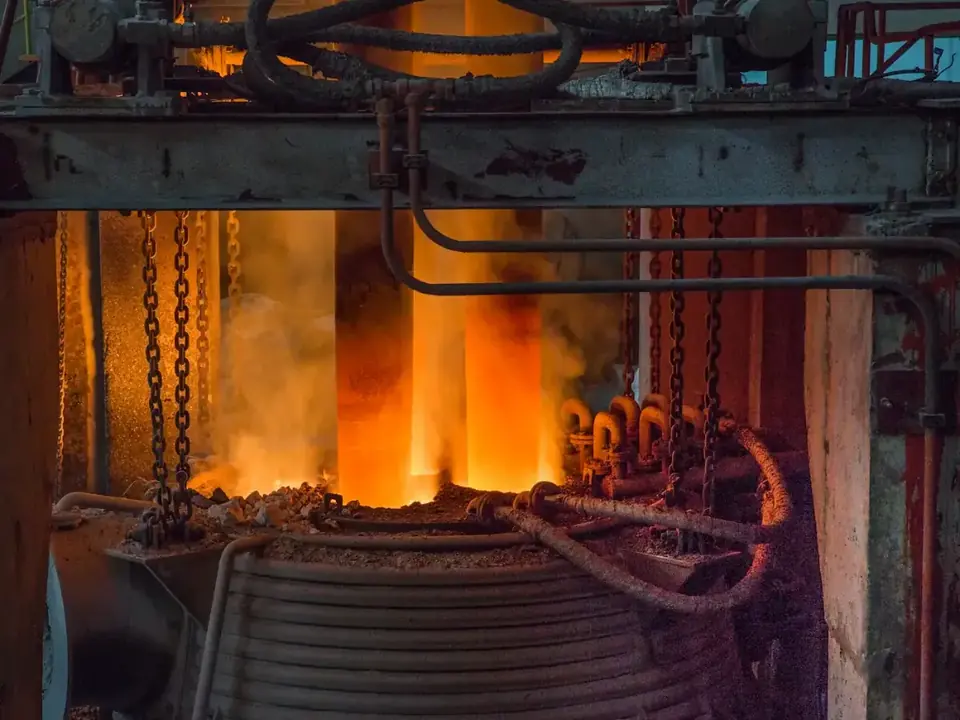
In a galvanising kettle, molten zinc at around 440 to 460 °C reacts with clean steel to form zinc-iron alloy layers topped with almost pure zinc. Iron picked up from the work and kettle forms dross at the bottom, and lead or bismuth is sometimes added deliberately to improve drainage. Starting from a known, clean zinc makes these additions predictable. Fabricators in Karnataka who galvanise structures or pipes in-house often buy zinc in small lots, so tell us your kettle size and we will quote accordingly.
Zinc in brass and other alloys
Brass is copper with zinc, from about 30 percent zinc in 70/30 cartridge brass to about 40 percent in 60/40 free-cutting brass. Brass foundries and remelters add zinc ingot to correct composition, since zinc boils off readily from molten brass. Our brass range covers the finished rods, sheets and tubes. Zinc is also a minor element in gunmetal.
How zinc ingots arrive and how to store them
Zinc ingots are flat slabs, usually with notches or a lip so they can be stacked and strapped into bundles. Individual ingot weights vary with the producer, so if your kettle or crucible needs a particular size, mention it at enquiry. Store them dry and under cover. Zinc does not rust, but a damp ingot develops white corrosion product, sometimes called white rust, and any moisture must be driven off before the ingot goes into a molten bath. Each ingot is marked with its lot number, grade and producer, which ties it back to the certificate.
Ingots, anodes and sheet
Zinc ingots are for melting. Platers who need zinc anodes for zinc electroplating and fabricators who need zinc sheet are better served by the zinc products page. Every ingot lot from Jubilant Impex can be supplied with a test certificate through a Government-recognised test house, showing zinc content and the impurity values against IS 209.
Where Zinc Ingots is used
Questions about Zinc Ingots
Still unsure? Call 080-41159995 or WhatsApp +91 98441 25506 and we will answer from the trade desk.
What is the difference between SHG and HG zinc?
SHG, Special High Grade, is zinc of 99.995 percent minimum with very low lead, cadmium and iron. HG, High Grade, is usually understood as 99.95 percent zinc and allows noticeably more lead and cadmium. SHG is needed for zinc die-casting alloys; HG is acceptable for some galvanising, brass and chemical uses.
What is IS 209?
IS 209 is the Indian Standard specification for zinc ingot. The 1992 revision covered grades Zn 99.99 and Zn 99.95, and Amendment No. 2 of 2010 added Zn 99.995, the special high grade. It sets maximum limits for lead, cadmium, iron, tin, copper and other impurities, plus requirements for surface condition and marking.
What is the melting point of zinc?
Zinc melts at 419.5 °C and boils at about 907 °C. Galvanising baths run a little above the melting point, typically around 440 to 460 °C. Because zinc boils at a relatively low temperature, it vaporises easily from molten brass, which is why brass foundries add extra zinc to correct the melt.
Which zinc is used for galvanising?
Most galvanisers use primary zinc ingot of high purity, very often SHG zinc of 99.995 percent, and then make controlled additions such as nickel, aluminium, bismuth or lead to the bath to manage coating thickness, appearance and drainage. Starting from clean zinc makes these additions predictable and keeps the coating within specification.
Why does zinc alloy need high-purity zinc?
In zinc-aluminium die-casting alloys, even small amounts of lead, cadmium or tin cause intergranular corrosion. The casting slowly swells, cracks and can crumble, particularly in warm, humid conditions. Using SHG zinc with lead and cadmium held to 0.003 percent and tin to 0.001 percent keeps those elements below the harmful level.
Keep exploring
Ingots
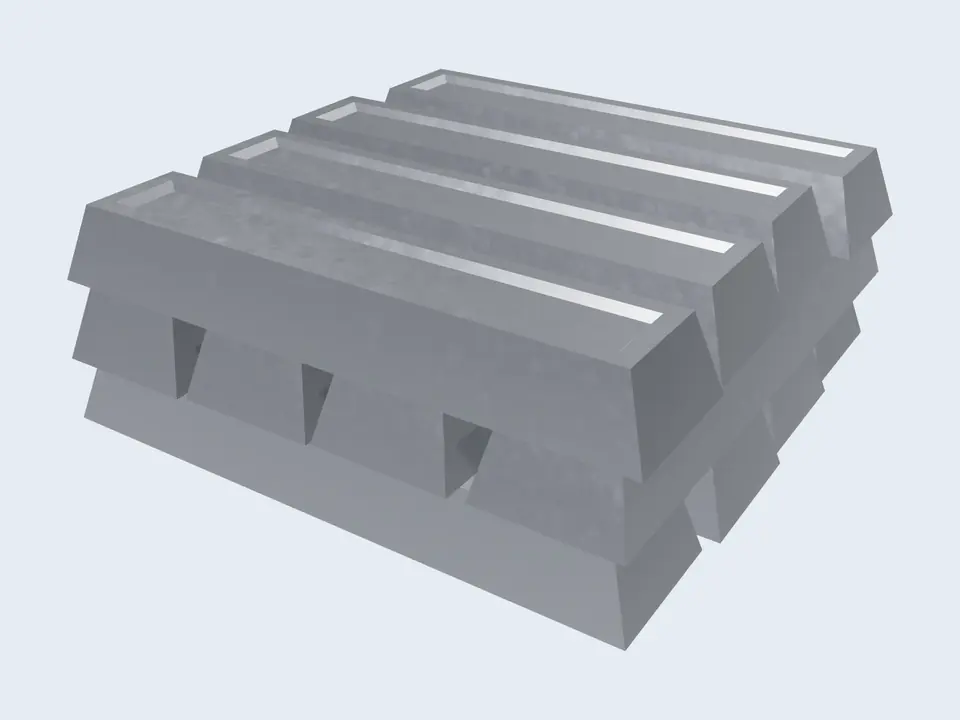
Jubilant Impex supplies lead, zinc and tin ingots and aluminium LM4 and LM6 alloy ingots from Bangalore.
View details →Zinc
A zinc anode is a block of zinc alloy fixed to steel so that the zinc corrodes instead of the steel.
View details →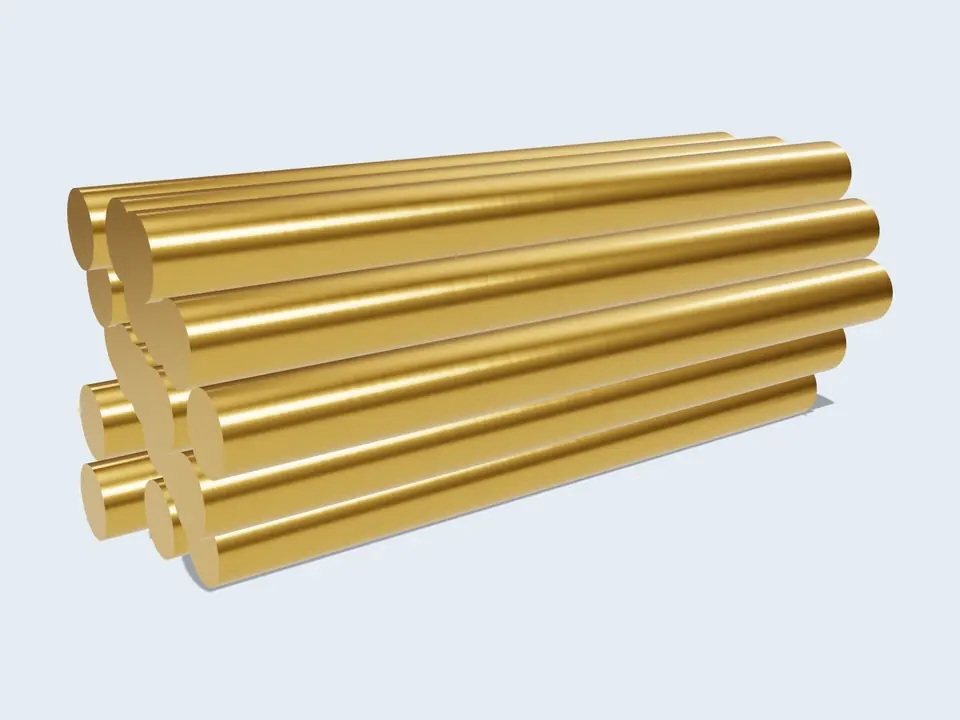
Brass
Jubilant Impex in Bangalore supplies brass in the three common copper–zinc ratios (70/30, 63/37 and 60/40) as round, hex and…
View details →Lead Ingots
Lead ingots are cast blocks of refined lead, graded by minimum purity.
View details →
Galvanised & Corrugated Sheets
GI sheet is mild steel sheet coated with zinc by hot-dip galvanising so it resists rust.
View details →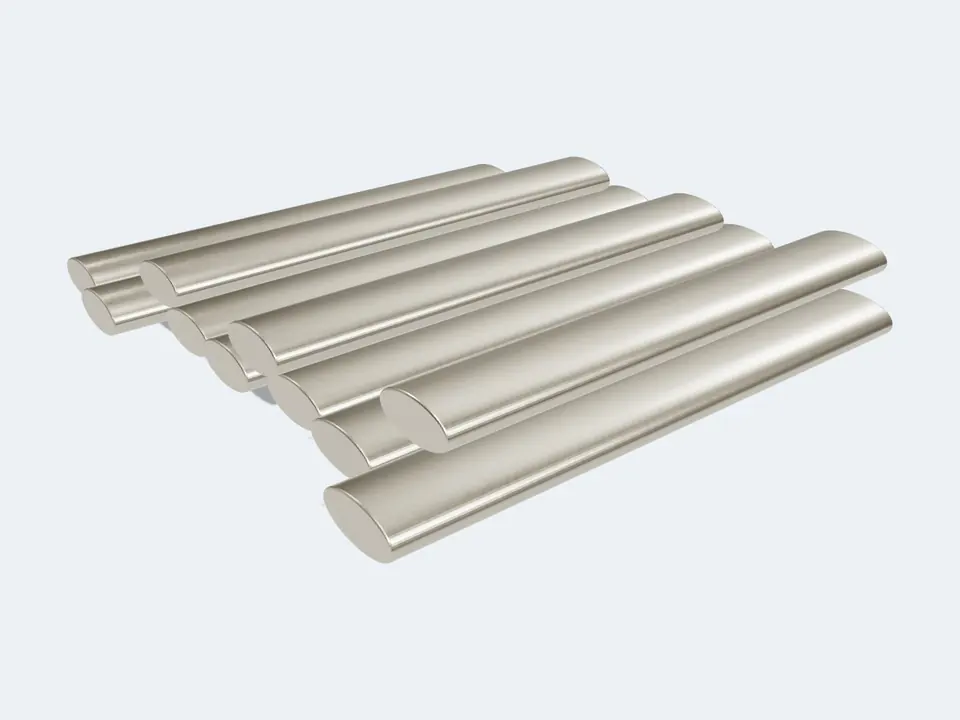
Electroplating & Surface Finishing
Electroplating materials are the metals a plating line consumes or conducts through: nickel anodes for nickel baths, lead-tin or…
View details →
Request a Quote
To request a quote for stainless steel pipes or any metal from Jubilant Impex in Bangalore, send the material, grade, standard,…
View details →Need Zinc Ingots with a test certificate?
Send the material, grade, size and quantity. We confirm availability and price, with the test certificate details.