
- Home
- Industries We Serve
- Chemical & Process Plants
Picking corrosion resistant metals for a chemical plant, one fluid at a time
In chemical plants the metal is chosen by the fluid it handles. 304L and 316L stainless cover most mild acids, solvents and water; duplex resists chlorides; Hastelloy handles hydrochloric acid and wet chlorine; Monel and nickel alloys suit caustic and HF; lead resists sulphuric acid. Jubilant Impex supplies these corrosion resistant metals from Bangalore.
Chemical engineers rarely ask for 'a good stainless'. They ask whether 316L will last in 10% sulphuric at 60 °C, and they want a straight answer. Iso-corrosion charts from the alloy producers give the real data; what we can do is tell you which family to look at first and supply it with a certificate that proves what it is.
So this page is arranged by what flows through the pipe rather than by type of plant.
Water, solvents and mild organics
Most of a chemical plant is not exotic. Cooling water, process water, alcohols, ketones, many organic acids at moderate temperature and nitric acid are handled well by 304L and 316L. The L grades keep carbon at 0.030% max, which stops chromium carbides forming at weld heat-affected zones. That matters because almost every tank and pipe in a chemical plant is welded.
Choose 316L stainless where any chlorides are present, even at low levels. The 2–3% molybdenum is what holds off pitting.
Chloride-bearing streams
Chlorides are the usual killer of stainless steel. Above about 60 °C, 304 and 316 can suffer stress corrosion cracking, and stagnant zones under deposits pit through. Duplex steel is the next step up: higher chromium, molybdenum and nitrogen give it a much higher pitting resistance number and good resistance to chloride cracking. Brine, seawater coolers and many effluent lines use it.
Duplex also has roughly twice the yield strength of 316L, so a designer can often reduce wall thickness and claw back part of the price difference. The catch is welding: duplex needs controlled heat input and matching filler to keep the ferrite balance right, so make sure your fabricator has a qualified procedure before you switch.
Hydrochloric acid, wet chlorine and mixed acids
Ordinary stainless steel has almost no life in hydrochloric acid. Hastelloy C-276 and related nickel-molybdenum-chromium alloys are the standard answer for reactors, agitators, valves and heat exchangers handling HCl, wet chlorine, hypochlorite and mixed acid streams with oxidising impurities. They cost a lot more, so plants use them only on the wetted parts that need them.
Sulphuric acid and why lead is still used
Lead forms a tight lead-sulphate film in sulphuric acid and has been used for acid tank linings, pickling baths and acid plant parts for over a century. It is soft and heavy, so it is usually a lining over steel rather than a structure. Incoloy 825 is the modern alloy choice for many sulphuric and phosphoric acid heat exchangers and pipes.
Where you are replacing an existing lined tank, measure the old lining thickness and tell us the area to be covered. Lead is sold by weight, so the quote depends on it.
What goes where
View as table
| Grade | PREN |
|---|---|
| SS 321 | 18.0 |
| SS 304L | 18.5 |
| SS 316L | 25.2 |
| Incoloy | 31.4 |
| Duplex & Super Duplex Steel | 35.9 |
| Hastelloy | 68.3 |
Grades and products buyers in this sector order

SS 316L
SS 316L (UNS S31603) is 316 stainless steel with carbon held to 0.030% maximum.
View details →
SS 304L
SS 304L (UNS S30403) is the low-carbon version of 304, with carbon limited to 0.030% maximum.
View details →
SS 321
SS 321 (UNS S32100) is an 18/8 austenitic stainless steel stabilised with titanium.
View details →Duplex & Super Duplex Steel
Duplex 2205 is a stainless steel of roughly half ferrite and half austenite with 22 % chromium, 5–6 % nickel, about 3 %…
View details →Hastelloy
Hastelloy C-276 (UNS N10276) is a nickel-molybdenum-chromium alloy with 15–17 % molybdenum, used for wet chlorine, hypochlorite,…
View details →
Incoloy
Incoloy 800, 800H and 800HT are nickel-iron-chromium alloys for high-temperature furnace, reformer and heater parts; 800H and…
View details →
Monel
Monel 400 (UNS N04400) is a nickel-copper alloy, about 63 % nickel minimum and 28–34 % copper, used for seawater, brine,…
View details →
Lead Sheets & Products
Lead sheet is rolled lead, about 11.34 g/cm³ in density, soft enough to form by hand and resistant to sulphuric acid.
View details →Caustic, HF and high-temperature service
Monel 400 and other nickel-rich alloys resist hot caustic soda and hydrofluoric acid. For heat rather than corrosion, 321 stainless is titanium-stabilised for service roughly between 425 and 815 °C, so it is used on hot gas ducts, expansion bellows and furnace-side piping. Inconel and Incoloy carry on above that, in reformers, crackers and calciners.
Tell us the duty, not just the grade
The most useful enquiry from a chemical plant lists the fluid, its concentration, the operating and upset temperatures, and what the old material was and how it failed. Pitting, cracking and general thinning each point to a different fix. With that, we can suggest whether a grade change is worth it or whether a like-for-like replacement is the sensible call.
Our part in the chain
We supply pipe, tube, bar, sheet and fittings in these grades, plus lead for linings. We do not fabricate or line vessels. Chemical plant clusters in Karnataka, including units in Bangalore's industrial areas and along the Mangaluru coast, mostly buy through fabricators, and we deal with both.
Questions about Chemical & Process Plants
Still unsure? Call 080-41159995 or WhatsApp +91 98441 25506 and we will answer from the trade desk.
Which metal is most resistant to chemical corrosion?
No single metal resists everything. Nickel-molybdenum-chromium alloys such as Hastelloy C-276 handle the widest range of acids and chlorides, which is why they are used where nothing cheaper lasts. Tantalum and titanium are better in some specific media. For most plant duties, 316L or duplex stainless gives adequate life at far lower cost.
Can 316 stainless steel be used with hydrochloric acid?
Not reliably. Hydrochloric acid attacks the passive film on 316 stainless even at low concentration and room temperature, causing rapid general and pitting corrosion. For HCl service, plants use Hastelloy B or C grades, or non-metallic and rubber-lined equipment. Short contact during cleaning may be tolerated, but continuous exposure should not.
Is stainless steel resistant to sulphuric acid?
Only partly. 316L can handle very dilute or very concentrated sulphuric acid at low temperature, but intermediate concentrations attack it quickly, especially when hot. Lead linings, Incoloy 825, Alloy 20 or Hastelloy are used for most sulphuric acid duties. Always check the concentration and temperature against iso-corrosion data.
What is PREN and why does it matter?
PREN, the Pitting Resistance Equivalent Number, estimates a stainless steel's resistance to chloride pitting from its chemistry: %Cr + 3.3 × %Mo + 16 × %N. 304 scores around 18–20, 316L around 24–26 and 2205 duplex around 35. A higher number means better resistance to pitting in salty or chloride-bearing water.
What is the difference between Hastelloy and Inconel?
Both are nickel-based. Hastelloy C grades carry high molybdenum and are built for aqueous corrosion, particularly hydrochloric acid, chlorides and mixed acids. Inconel grades such as 600 and 625 focus more on strength and oxidation resistance at high temperature, though 625 also resists seawater well. Choose Hastelloy for wet acids and Inconel for heat.
Other industries and guides
Stainless Steel Grade Chart
A stainless steel grade chart groups grades by family, and the grades here fall into four.
View details →
Pharmaceutical
Pharmaceutical grade stainless steel is normally 316L for product-contact parts and purified water or WFI systems, and 304 for…
View details →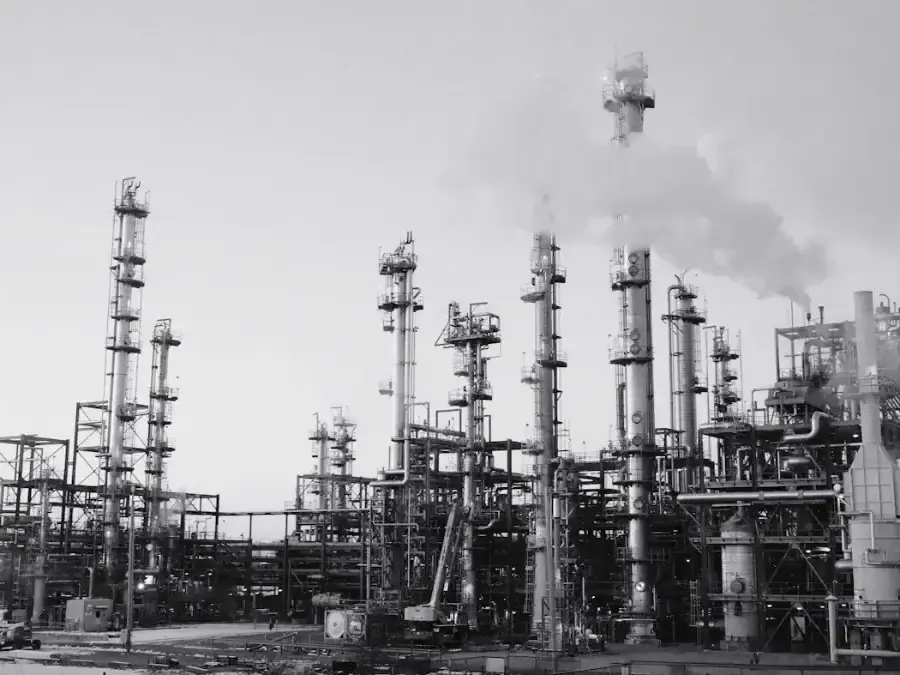
Oil & Gas
Most oil and gas piping is carbon steel, usually ASTM A106 Grade B seamless for process lines and A53 Grade B for utilities.
View details →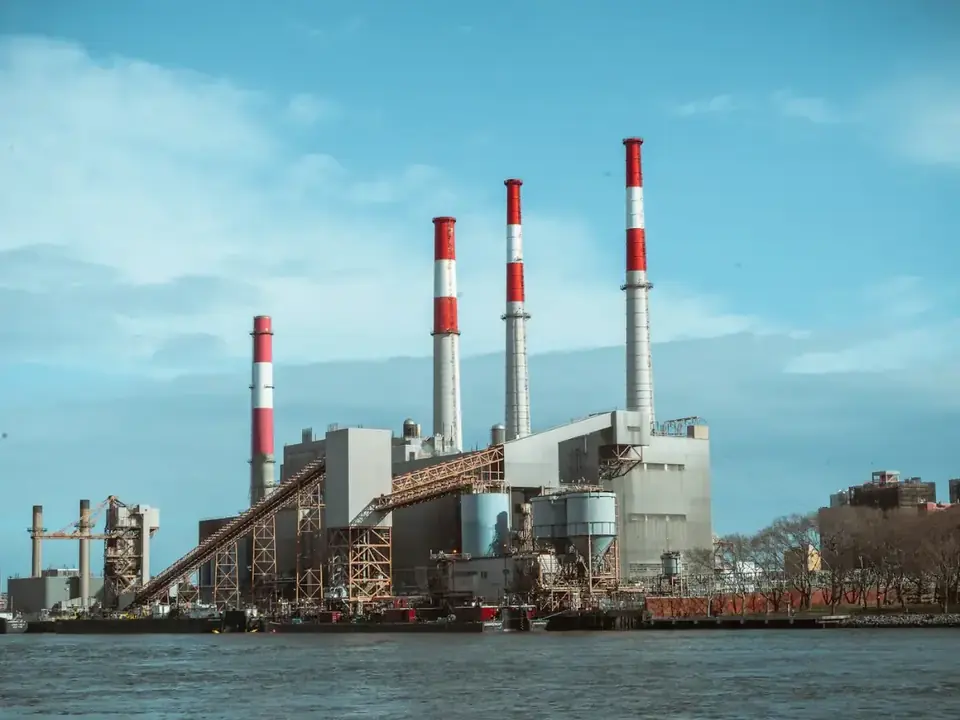
Power Plants & IBR Boilers
IBR boiler tubes and pipes are steel products made and tested to the Indian Boiler Regulations so they can be used in boilers and…
View details →Pharmaceutical
Pharmaceutical grade stainless steel is normally 316L for product-contact parts and purified water or WFI systems, and 304 for…
View details →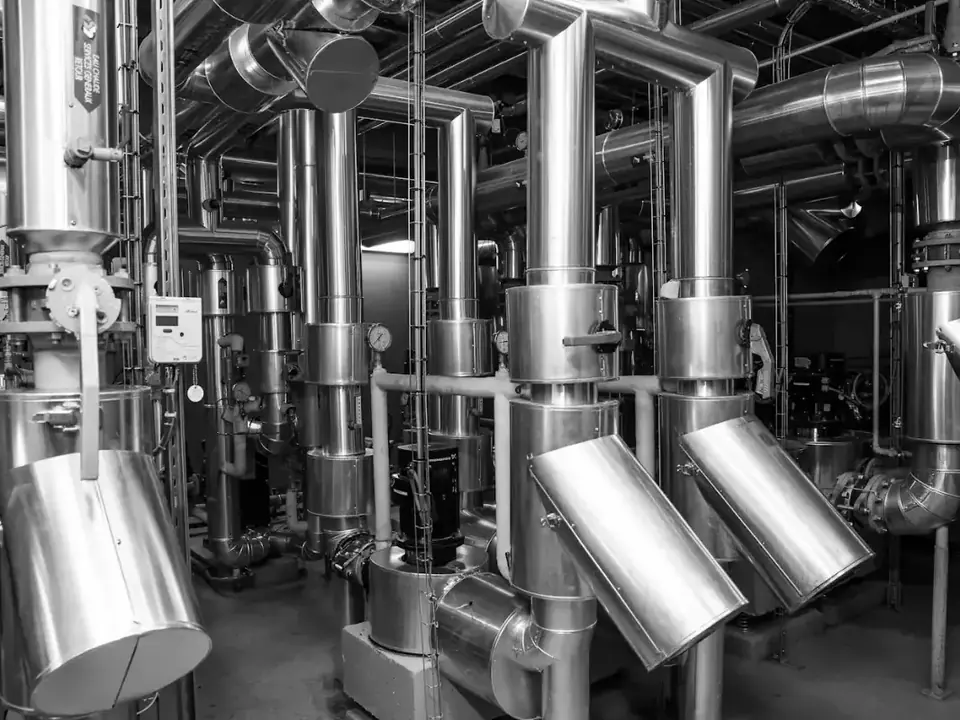
Food, Dairy & Beverage
Food grade stainless steel usually means 304 for most dairy, brewery and food equipment, and 316 or 316L where salt, brine,…
View details →Supplying a chemical & process plants project? Send the BOQ.
Send the material, grade, size and quantity. We confirm availability and price, with the test certificate details.