- Home
- All Products
- Ingots
Metal Ingots for Foundries and Melt Shops
Jubilant Impex supplies lead, zinc and tin ingots and aluminium LM4 and LM6 alloy ingots from Bangalore. Lead is offered to IS 27 purity grades, zinc to IS 209 including SHG Zn 99.995, tin to IS 26 grades, and LM4 and LM6 to BS 1490 and IS 617. Each lot can carry a test certificate showing its composition.
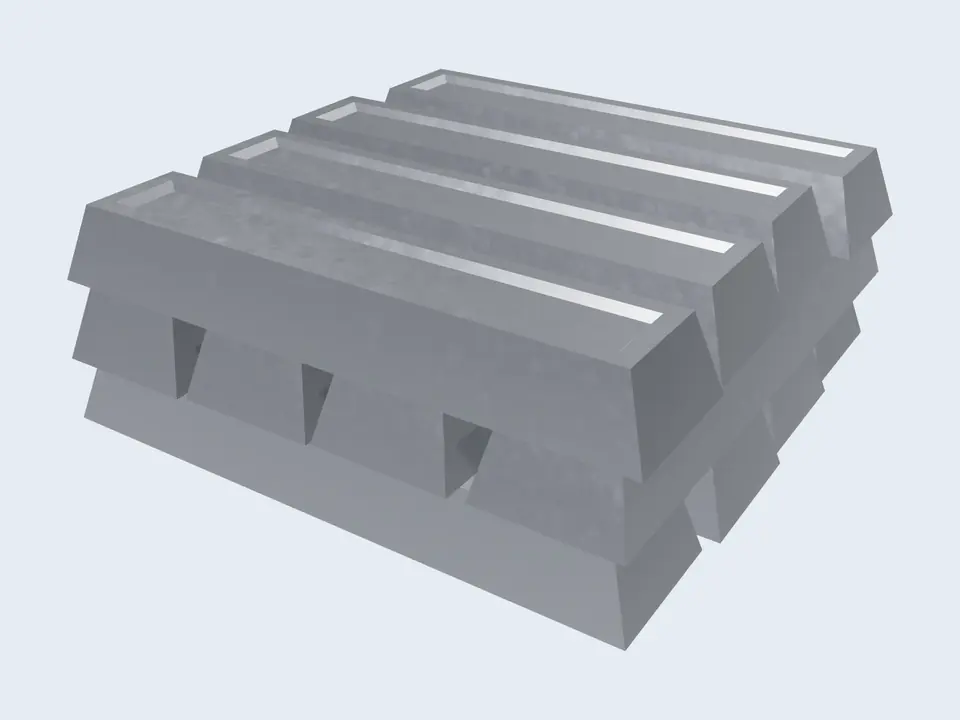
Ingots: grades and products
Lead Ingots
Lead ingots are cast blocks of refined lead, graded by minimum purity.
View details →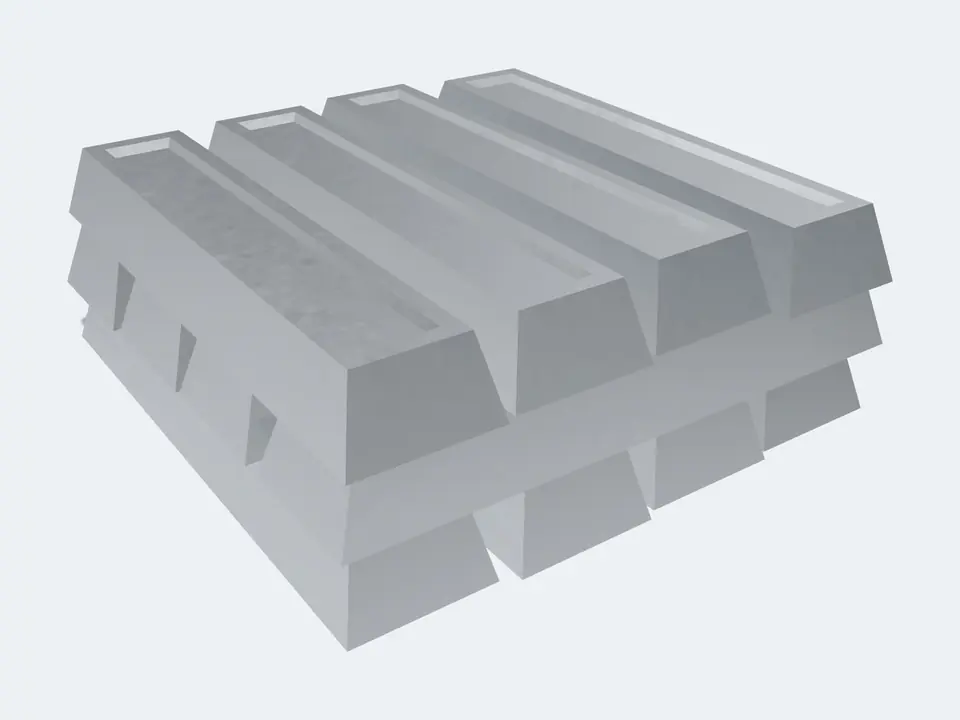
Zinc Ingots
Zinc ingots are cast slabs of refined zinc graded by purity.
View details →
Tin Ingots
Tin ingots are cast bars of refined tin, graded by minimum purity.
View details →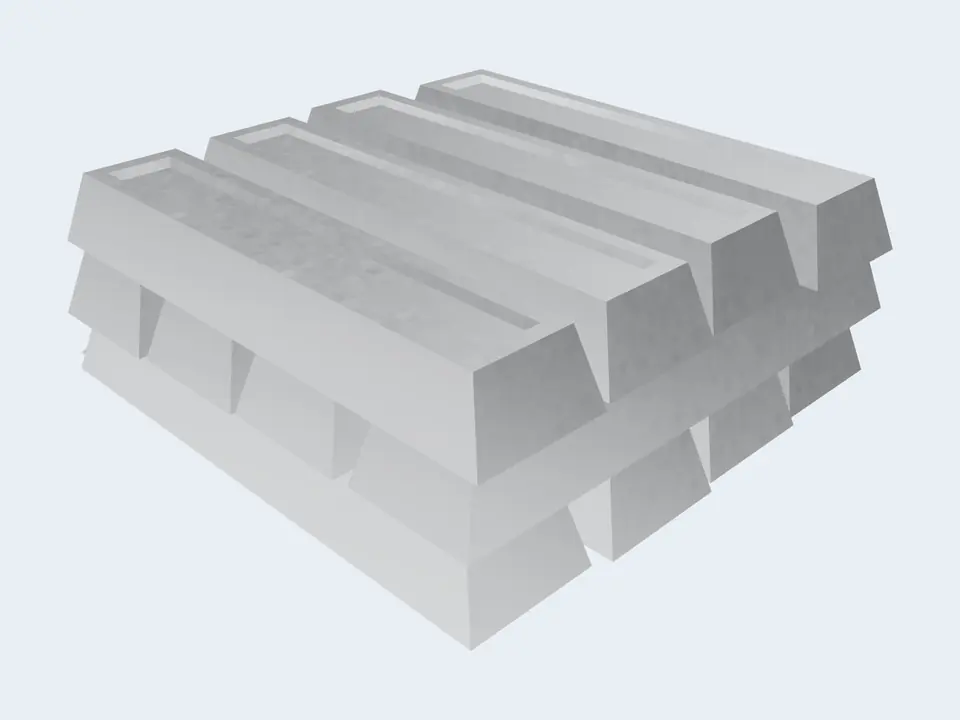
Aluminium LM4 Ingots
LM4 is an aluminium casting alloy with about 5 percent silicon and 3 percent copper (Al-Si5Cu3), specified in BS 1490 and matched…
View details →Aluminium LM6 Ingots
LM6 is an aluminium casting alloy containing 10 to 13 percent silicon and almost no copper, specified in BS 1490 and matched by…
View details →Ingots by the numbers
View as table
| Metal | Density |
|---|---|
| Aluminium | 2.70 g/cm³ |
| Antimony | 6.68 g/cm³ |
| Zinc | 7.14 g/cm³ |
| Tin | 7.29 g/cm³ |
| Copper | 8.94 g/cm³ |
| Lead | 11.34 g/cm³ |
- Al (balance)
- Si
- Cu
- Mn
- Other
View as table
| Grade | Si | Cu | Mn |
|---|---|---|---|
| Aluminium LM4 Ingots | 5.0 | 3.0 | 0.4 |
| Aluminium LM6 Ingots | 11.5 | 0.0 | 0.0 |
Ingots are the raw form that foundries, die casters, galvanisers, solder makers and battery workshops melt down. Nobody buys an ingot for its shape. What matters is the chemistry, and with ingots a few hundredths of a percent of the wrong element can spoil a whole melt.
Our product sheet lists lead, zinc, tin, and aluminium LM-4 and LM-6 ingots. As a lead ingot supplier in Bangalore we also field regular enquiries for zinc from galvanisers and tin from solder and bronze makers. The table below shows which ingot does what, and each grade has its own page.
Pure metal ingots and alloy ingots
There are two kinds of ingot on this page. Lead, zinc and tin are sold as nearly pure metals, graded by minimum purity. A buyer chooses the grade by how much impurity the end use can tolerate: battery oxide and zinc die-casting alloys need high-purity metal, while some alloying and general uses accept a lower grade.
LM4 and LM6 are different. They are aluminium casting alloys, made to a specified recipe of silicon, copper and other elements, and melted directly into castings. The foundry is buying a ready-made alloy rather than a pure metal it will alloy itself.
Which ingot for which job?
Lead ingots go into batteries, radiation shielding, cable sheathing, ballast and lead alloys; details on the lead ingots page. Zinc goes into hot-dip galvanising kettles, zinc die-casting alloys, brass making and chemicals. Tin is the base of most solders and the alloying addition in bronze and gunmetal. LM6 is the aluminium alloy for thin-walled, pressure-tight and corrosion-resistant castings, and LM4 is the general-purpose, heat-treatable casting alloy.
| Ingot | Standard / grades | Melting point | Main uses |
|---|---|---|---|
| Lead | IS 27: Pb99.97 to Pb99.995 | 327 °C | Batteries, shielding, sheathing, lead alloys |
| Zinc | IS 209: Zn99.95, Zn99.99, Zn99.995 | 420 °C | Galvanising, zinc alloys, brass, chemicals |
| Tin | IS 26: Sn99.75 to Sn99.99 | 232 °C | Solder, bronze and gunmetal, tinning, bearing metals |
| Aluminium LM4 | BS 1490 LM4 / IS 617 4223 (Al-Si5Cu3) | about 525–625 °C range | General castings, heat-treatable parts |
| Aluminium LM6 | BS 1490 LM6 / IS 617 4600 (Al-Si12) | about 565–575 °C range | Thin-wall, marine and pressure-tight castings |
How is ingot purity checked?
Purity is checked by chemical analysis, usually optical emission spectrometry on a sample cut or drilled from the ingot, or by wet chemical methods for some elements. A good report lists every element the standard limits, not just the main metal.
Each lot from Jubilant Impex can be supplied with a test certificate through a Government-recognised test house. Look for the grade designation, the minimum purity, and the impurity values against the limits of the standard. Our guide to reading a test certificate explains the layout.
What to include in an ingot enquiry
Give the metal, the grade or minimum purity, the quantity and the end use. The end use matters more than people think. Zinc for a galvanising kettle and zinc for die-casting alloy can both be quoted as 'pure zinc', yet the alloy maker needs the lowest lead, cadmium and tin, which only the top grade guarantees. Lead for a battery workshop and lead for ballast are a similar story. If a customer specification or approval names a standard, such as IS 27 or BS 1490, quote that number and we will match the certificate to it.
Handling and storage
Keep ingots dry and off the floor. Moisture on an ingot charged into molten metal turns to steam instantly and can throw metal out of the pot, so preheat ingots near the furnace before charging. Lead needs extra care: wear gloves, do not eat or drink in the work area, and control fumes when melting.
Questions about Ingots
Still unsure? Call 080-41159995 or WhatsApp +91 98441 25506 and we will answer from the trade desk.
What is an ingot?
An ingot is a block of metal cast into a standard shape so it can be stored, transported and later remelted. Producers and refiners cast pure metals such as lead, zinc and tin, and alloys such as aluminium LM6, into ingots. Foundries and manufacturers melt them to make castings, coatings, solders or other alloys.
What is the difference between primary and secondary aluminium ingot?
Primary aluminium ingot comes straight from a smelter that reduces alumina electrolytically and is nearly pure aluminium. Secondary ingot is made by remelting and refining scrap, and usually adjusting it to a casting alloy such as LM4 or LM6. Most foundry alloy ingots are secondary, made to a standard composition.
Why must ingots be preheated before adding to molten metal?
Ingots can carry moisture from humidity, rain or condensation. If a damp ingot is pushed into molten metal, the water turns to steam instantly and expands violently, which can eject molten metal from the furnace or pot. Preheating ingots near the furnace drives off moisture and is a basic foundry safety rule.
What does LME grade mean for metals?
LME grade refers to the minimum quality the London Metal Exchange accepts for delivery against its contracts, for example zinc of 99.995 percent minimum and lead of 99.970 percent minimum. Brands registered with the LME have shown consistent compliance. Buyers often use LME grade as shorthand for a recognised international purity level.
Which is the most commonly used casting alloy, LM4 or LM6?
Both are widely used, for different jobs. LM6 is chosen for thin, intricate or pressure-tight castings and for marine and outdoor parts because of its fluidity and corrosion resistance. LM4 is a general-purpose alloy that can be heat treated for higher strength and machines more easily. Many foundries keep both.
Keep exploring
Lead Ingots
Lead ingots are cast blocks of refined lead, graded by minimum purity.
View details →Zinc Ingots
Zinc ingots are cast slabs of refined zinc graded by purity.
View details →Tin Ingots
Tin ingots are cast bars of refined tin, graded by minimum purity.
View details →Aluminium LM4 Ingots
LM4 is an aluminium casting alloy with about 5 percent silicon and 3 percent copper (Al-Si5Cu3), specified in BS 1490 and matched…
View details →Aluminium LM6 Ingots
LM6 is an aluminium casting alloy containing 10 to 13 percent silicon and almost no copper, specified in BS 1490 and matched by…
View details →Antimony
Antimony (Sb) is a brittle, silvery metalloid that melts at about 631 °C. Small additions harden lead for battery grids, cable…
View details →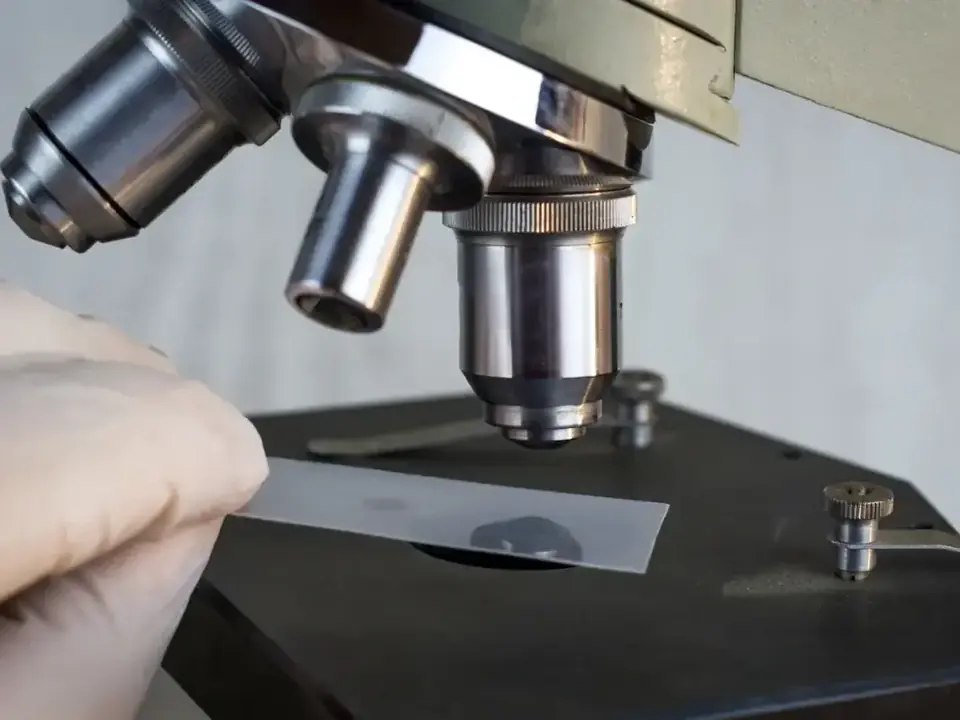
How to Read a Mill Test Certificate
To read a mill test certificate, first match the heat number on the certificate to the marking on the material.
View details →
Request a Quote
To request a quote for stainless steel pipes or any metal from Jubilant Impex in Bangalore, send the material, grade, standard,…
View details →Buying ingots? Send us the spec.
Send the material, grade, size and quantity. We confirm availability and price, with the test certificate details.