
- Home
- All Products
- Ingots
- Tin Ingots
Tin Ingots for Solder, Bronze and Tinning
Tin ingots are cast bars of refined tin, graded by minimum purity. IS 26:2024 lists grades from Sn99.75 to Sn99.99, and the London Metal Exchange minimum is 99.85 percent. Tin is used for solder, bronze and gunmetal, tinning of copper and steel, and white-metal bearings. Jubilant Impex supplies tin ingots in Bangalore with a test certificate.

Tin Ingots specifications
Typical values
| Density (white tin) | about 7.3 g/cm³ |
|---|---|
| Melting point | 231.9 °C |
| Boiling point | about 2602 °C |
| Atomic number | 50 |
Enquire about Tin Ingots
Tell us grade, size, quantity and delivery location. Every consignment ships with a test certificate.
Request a quoteWhatsApp +91 98441 25506Or call 080-41159995
How Tin Ingots measures up
View as table
| Metal | Density |
|---|---|
| Aluminium | 2.70 g/cm³ |
| Antimony | 6.68 g/cm³ |
| Zinc | 7.14 g/cm³ |
| Tin | 7.29 g/cm³ |
| Duplex 2205 | 7.80 g/cm³ |
| Carbon & mild steel | 7.85 g/cm³ |
| Stainless 304 | 7.93 g/cm³ |
| Incoloy 825 | 8.14 g/cm³ |
| Inconel 625 | 8.44 g/cm³ |
| Brass 70/30 | 8.53 g/cm³ |
| Gun metal | 8.72 g/cm³ |
| Monel 400 | 8.80 g/cm³ |
| Phosphor bronze | 8.86 g/cm³ |
| Hastelloy C276 | 8.89 g/cm³ |
| Nickel | 8.90 g/cm³ |
| Copper | 8.94 g/cm³ |
| Lead | 11.34 g/cm³ |
Tin is the quiet ingredient in a lot of metalwork. Every soldered joint on a circuit board, every bronze bush in a pump, every gunmetal valve body and every tinned copper conductor depends on it. By weight, a buyer uses far less tin than copper or zinc, but tin costs much more per kilogram, so its grade and its paperwork deserve care.
The buyers we see for tin ingots in Bangalore are solder makers, bronze and gunmetal foundries, tinning shops and bearing rebabbitting workshops. This page covers the grades, why purity matters to each of them, and a few properties of tin that catch people out.
Which tin grade do you need?
IS 26, the Indian Standard for tin ingot, was revised in 2024 and now lists six grades: Sn99.75, Sn99.85, Sn99.90, Sn99.93, Sn99.95 and Sn99.99. The number is the minimum tin content. Impurities controlled include antimony, arsenic, bismuth, cadmium, copper, iron, lead, aluminium and zinc.
Sn99.85 is the common trading grade and matches the LME minimum and the Grade A tin of ASTM B339. Electronics solder makers usually ask for higher purity, Sn99.9 or above, because lead, copper and other trace elements change wetting and joint reliability, and lead-free solders must stay below strict lead limits. For bronze and gunmetal foundry work, Sn99.85 is generally sufficient.
Tin in solder
Traditional soft solder is a tin-lead alloy; 63/37 tin-lead melts sharply at 183 °C, the eutectic point, which is why it became the electronics standard. Lead-free solders such as tin-silver-copper alloys are now mostly tin, often over 95 percent, and melt a little higher at around 217 to 220 °C.
Solder makers melting their own alloy need clean tin and clean lead. Our tin-lead solder alloys page covers ready-made solder metal, and lead ingots are listed separately.
| Grade | Sn, min % | Typical buyers |
|---|---|---|
| Sn99.75 | 99.75 | General alloying where purity is less critical |
| Sn99.85 | 99.85 | Bronze, gunmetal, general solder; equals LME minimum |
| Sn99.90 | 99.90 | Solder and tinning |
| Sn99.93 | 99.93 | Solder, tinning |
| Sn99.95 | 99.95 | Electronics solder, chemicals |
| Sn99.99 | 99.99 | High-purity electronic and chemical uses |
Why is tin added to bronze?
Bronze is copper hardened with tin. Tin raises strength, hardness and wear resistance and improves corrosion resistance in seawater. Phosphor bronze adds a small amount of phosphorus as a deoxidiser and is the classic bearing and spring material. Gunmetal is copper with tin and zinc, often with a little lead for machinability and pressure tightness, used for valves, pump parts and bushes.
Foundries making these alloys add tin as ingot to the copper melt. Our phosphor bronze and gun metal pages describe the finished alloys.
Tinning and bearing metals
Hot tinning dips copper wire, strip or steel parts into molten tin to give a solderable, corrosion-resistant coating. Tinned copper conductors and busbars are a common example. Tin-based white metals, often called babbitt, combine tin with antimony and copper to line plain bearings in engines, compressors and turbines; workshops that reline bearings need tin of known purity so the finished alloy stays in specification.
Two quirks of tin worth knowing
Tin pest: below about 13 °C, ordinary white tin can slowly transform into grey tin, a brittle powdery form. In practice this needs prolonged cold and is slowed by small amounts of impurities such as antimony or bismuth, so it rarely troubles ingots stored in Bangalore. It is worth remembering for material shipped to or stored in cold climates.
Tin cry: bend a bar of pure tin and it makes a faint crackling sound as its crystals twin. It is a neat field check that you are holding fairly pure tin, although it is no substitute for analysis.
Paperwork and ordering
Tell us the grade, quantity and end use. Tin lots from Jubilant Impex can be supplied with a test certificate through a Government-recognised test house, showing tin content and impurities against the requested grade.
Because tin is expensive, check weight and certificate together when the material arrives. Count the bars, weigh the lot, and match the lot number on the bars to the report. If you are switching suppliers for solder production, run a small trial melt before committing a full batch; a slightly different impurity profile can change how the solder wets even when both lots meet the same grade.
Where Tin Ingots is used
Questions about Tin Ingots
Still unsure? Call 080-41159995 or WhatsApp +91 98441 25506 and we will answer from the trade desk.
What is tin ingot used for?
Tin ingot is melted to make solder, bronze, phosphor bronze and gunmetal, to tin-coat copper wire and steel, and to produce white-metal bearing alloys. It is also used to make tin chemicals. Most users buy refined tin of 99.85 percent or higher and choose a higher grade where impurities affect the product.
What is the melting point of tin?
Pure tin melts at 231.9 °C. Tin alloys melt lower or over a range: 63/37 tin-lead solder melts at 183 °C, and common tin-silver-copper lead-free solders melt at about 217 to 220 °C. The low melting point is why tin is so useful for joining and coating other metals.
What is tin pest?
Tin pest is the slow transformation of ordinary white tin into brittle grey tin at temperatures below about 13 °C. The metal swells and crumbles into powder. It needs prolonged cold and is held back by small amounts of elements such as antimony and bismuth, so it rarely affects tin stored in warm climates.
What purity is LME tin?
Tin delivered against London Metal Exchange contracts must be at least 99.85 percent tin, from a registered brand. That level matches Grade A tin in ASTM B339 and the Sn99.85 grade in IS 26. Higher-purity tin, such as 99.9 or 99.99 percent, is produced for electronics and chemical uses.
Is tin magnetic?
No. Tin is not magnetic, so a magnet will not pick up a tin ingot. Tinplate, however, is steel with a thin tin coating, and it is strongly magnetic because of the steel underneath. A magnet is therefore a quick way to tell solid tin or tin alloy from tin-coated steel.
Keep exploring
Ingots
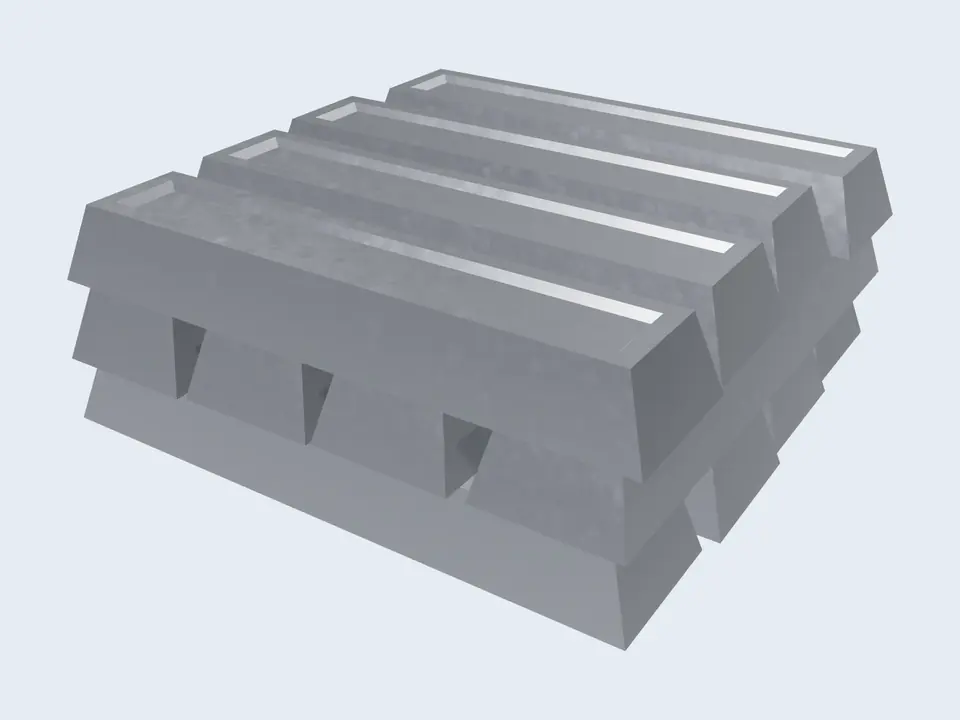
Jubilant Impex supplies lead, zinc and tin ingots and aluminium LM4 and LM6 alloy ingots from Bangalore.
View details →Tin-Lead (Solder) Alloys
Tin-lead solder is an alloy of tin and lead that melts between 183 °C and about 260 °C depending on the ratio.
View details →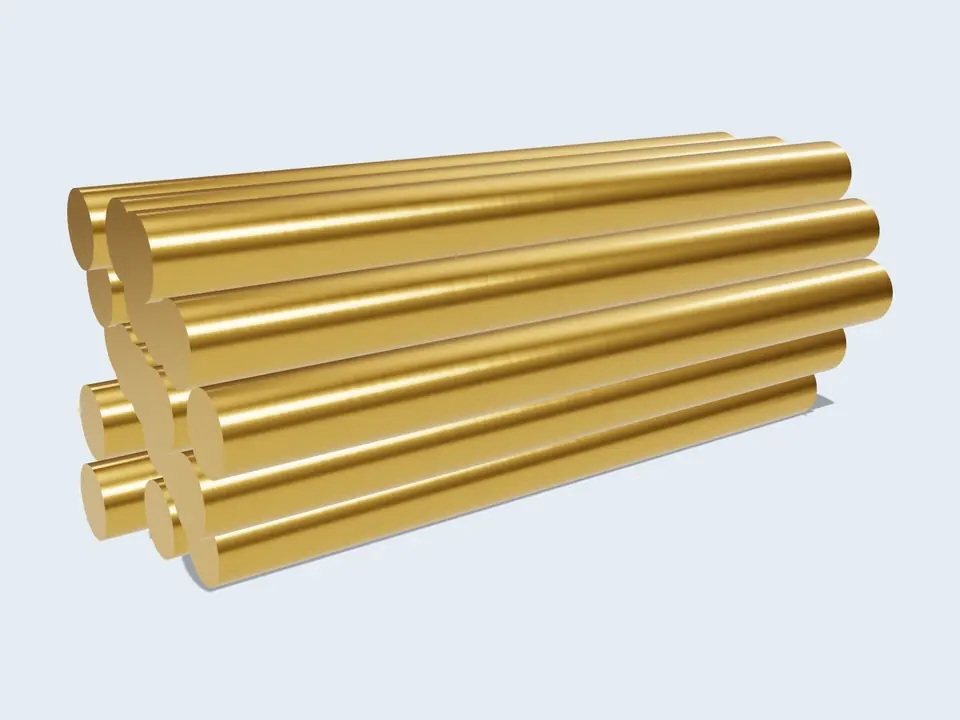
Phosphor Bronze
Phosphor bronze is copper alloyed with tin, typically 4–9 %, and a small phosphorus addition of 0.03–0.35 %.
View details →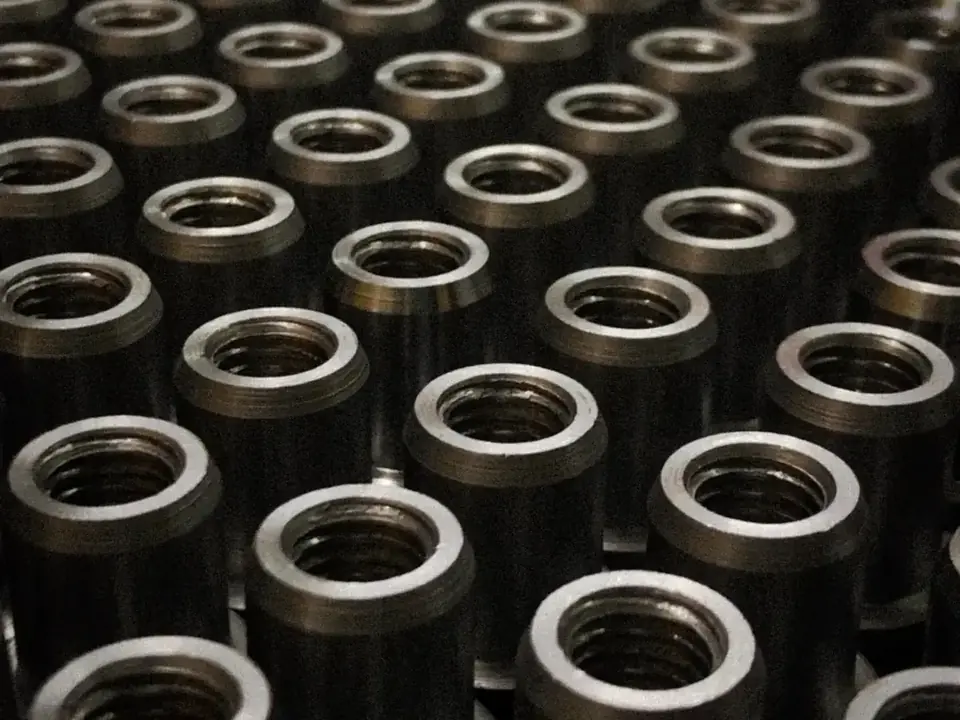
Gun Metal
Gun metal is a cast copper alloy of roughly 85 % copper with 5 % each of tin, lead and zinc, called LG2 in BS 1400 and C83600 in…
View details →
Tinned Copper
Tinned copper is copper wire, strip or busbar coated with a thin layer of tin.
View details →Lead Ingots
Lead ingots are cast blocks of refined lead, graded by minimum purity.
View details →
Request a Quote
To request a quote for stainless steel pipes or any metal from Jubilant Impex in Bangalore, send the material, grade, standard,…
View details →Need Tin Ingots with a test certificate?
Send the material, grade, size and quantity. We confirm availability and price, with the test certificate details.