

- Home
- Industries We Serve
- Pharmaceutical
Stainless steel for pharmaceutical equipment and clean utilities
Pharmaceutical grade stainless steel is normally 316L for product-contact parts and purified water or WFI systems, and 304 for frames, panels and non-contact parts. Low carbon in 316L protects weld zones, and molybdenum resists chlorides in cleaning agents. Jubilant Impex supplies both from Bangalore with traceable test certificates.
In a pharma project the metal is rarely the argument. Everyone knows the product-contact parts will be 316L. The argument is usually about paper: does the certificate trace back to the heat, is the sulphur in range for orbital welding, and will the QA team accept it during the audit.
This page is written for the purchase and QA people who have to answer those questions.
Contact parts versus everything else
Split the plant into two lists before you buy. Anything that touches the product, purified water, WFI or clean steam (reactor shells, blender bowls, granulator parts, transfer lines, sampling valves) is normally 316L. Skids, frames, panels, cladding, platforms and most utility piping can be 304 stainless, which is cheaper and easier to source in sheet.
Mixing the two lists is the most common purchasing mistake we see. It either wastes money on 316L cladding or puts 304 where the validation document says 316L.
A simple way to do it: mark each line item on the bill of materials as C (contact) or N (non-contact) before it goes to purchase. The fabricator, the buyer and the QA reviewer then all work from the same list.
Why does pharma insist on 316L?
Two reasons. First, the 2–3% molybdenum in 316L resists chlorides from cleaning agents, sanitisers and some formulations far better than 304. Second, carbon is capped at 0.030%, so welded joints do not sensitise and corrode at the heat-affected zone. Since pharma piping is welded rather than flanged wherever possible, that is a real advantage.
What QA will check on the certificate
Auditors look for traceability from the installed component back to the mill heat. That means heat number on the material, the same heat number on the certificate, and chemistry and mechanical values that meet the standard. Our supplies go with a test certificate through a Govt. recognised test house, under an ISO 9001:2015 quality system. Our guide on reading a test certificate shows the fields to tick off.
Keep these documents with the IQ/OQ file. Asking for them after installation is always harder.
What goes where

Grades and products buyers in this sector order
SS 316L
SS 316L (UNS S31603) is 316 stainless steel with carbon held to 0.030% maximum.
View details →SS 304
SS 304 (UNS S30400) is an austenitic stainless steel with about 18% chromium and 8% nickel, which is why it is called 18/8.
View details →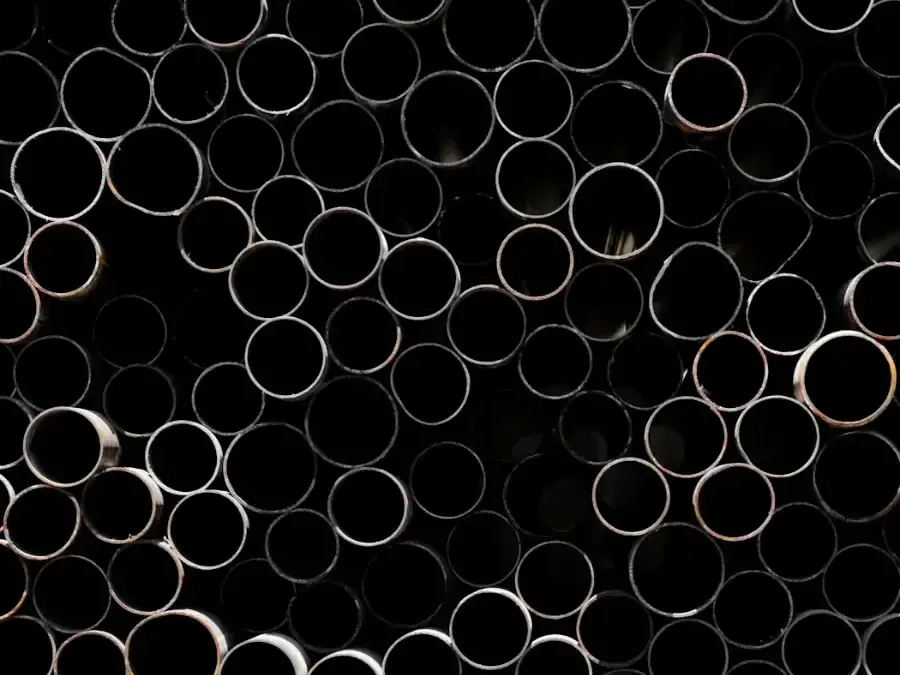
Stainless Steel Seamless Pipes & Tubes
SS seamless pipe is stainless pipe made from a solid billet that is pierced or extruded into a hollow, so it has no weld seam.
View details →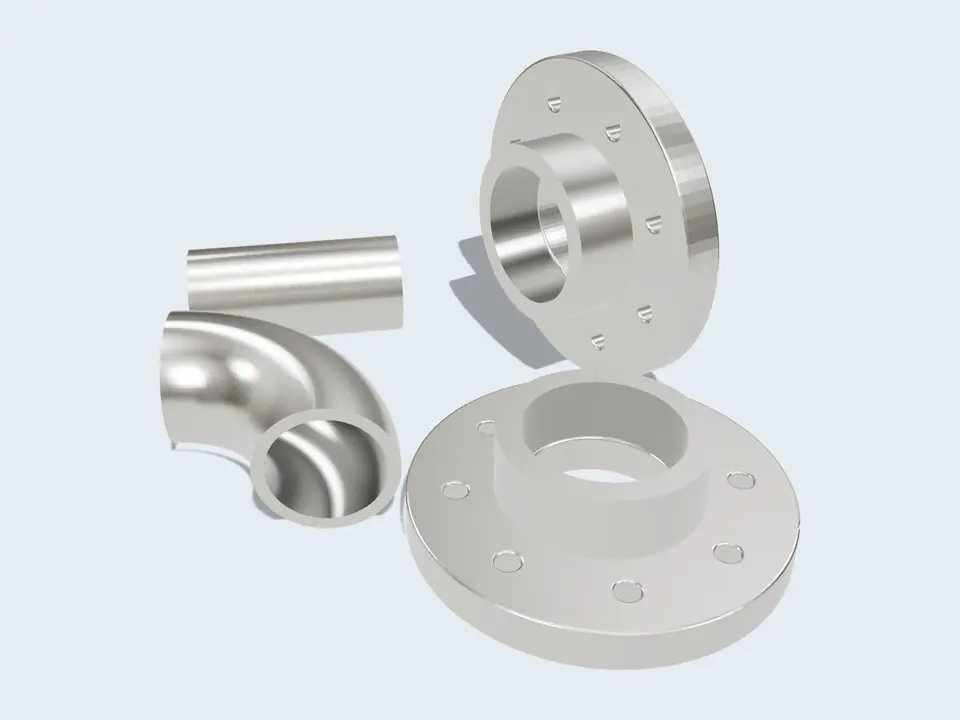
Stainless Steel Pipe Fittings & Flanges
SS pipe fittings join stainless pipe and tube by butt welding (ASME B16.9, ASTM A403), socket welding or threading (ASME B16.11,…
View details →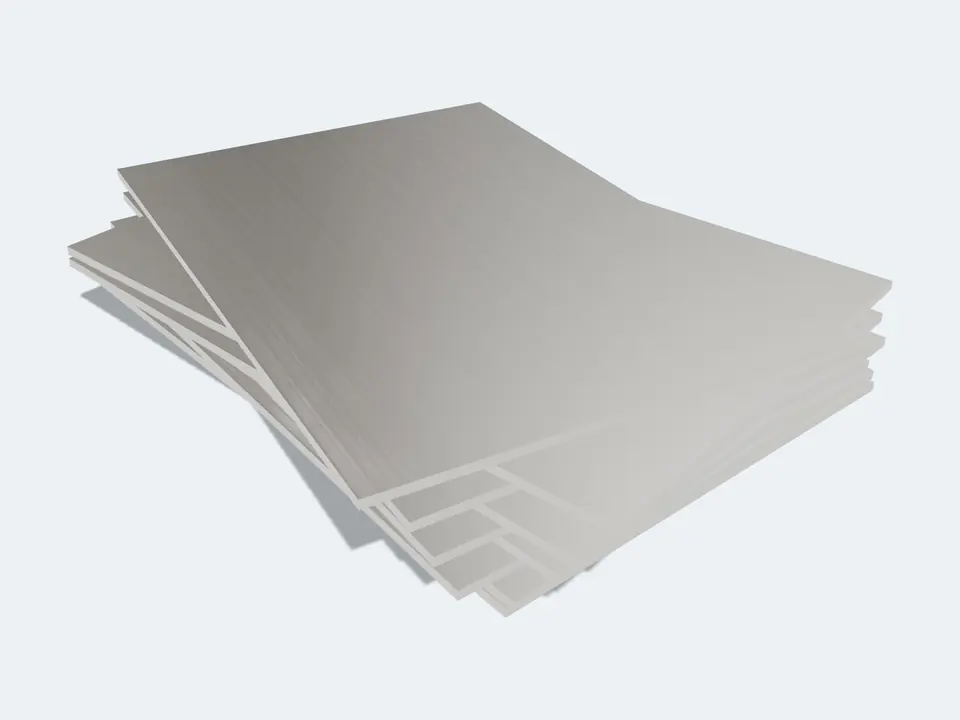
Stainless Steel Perforated, Corrugated & Shim Sheets
Jubilant Impex in Bangalore supplies SS perforated sheet for screens, sieves, guards and filters, corrugated stainless sheet for…
View details →
Hastelloy
Hastelloy C-276 (UNS N10276) is a nickel-molybdenum-chromium alloy with 15–17 % molybdenum, used for wet chlorine, hypochlorite,…
View details →Surface finish and ASME BPE
Hygienic tube and fittings for bioprocess work are often specified to ASME BPE, with internal surface roughness of Ra 0.5 µm or better on product-contact surfaces, and electropolishing on top for some services. Those finishes are produced by the tube mill or the polishing fabricator. We supply mill-finish pipe, tube, sheet and bar; tell us the finish your drawing calls for and we will confirm what can be supplied against it.
Ordering for a qualification batch
Equipment for a new line is usually ordered in one batch so that the documents line up. If you can, buy all the 316L for one skid or one loop together. Fewer heats means fewer certificates to file, and a cleaner traceability matrix when the validation team builds the turnover package. Tell us the project name with the enquiry and we will keep the certificates for that order grouped.
Beyond 316L
API synthesis is closer to chemical processing than to formulation. Reactors and condensers handling hydrochloric acid, chlorinated solvents or acid chlorides often need Hastelloy. Perforated stainless sheet is used for sifter and dryer screens, and stainless shim sheet for packing and alignment during machine assembly. Gaskets and seals are outside our range, but the metal around them is not: flange rings, clamp ferrules and bushings are often turned from 316 bar in the plant's own workshop.
Bangalore's pharma and biotech units, and the larger bulk-drug clusters along the corridor to Hyderabad, buy mainly through equipment builders. We supply the builders and the plants' maintenance stores alike.
Questions about Pharmaceutical
Still unsure? Call 080-41159995 or WhatsApp +91 98441 25506 and we will answer from the trade desk.
Why is 316L preferred over 304 in pharmaceutical equipment?
316L adds 2–3% molybdenum, which greatly improves resistance to pitting from chlorides in cleaning solutions, sanitisers and some products. Its 0.030% maximum carbon also stops weld zones from sensitising. Together these give longer, cleaner service life in welded, frequently cleaned pharma systems, which is why most product-contact specifications call for 316L.
Is 304 stainless steel acceptable for GMP equipment?
Yes, for non-product-contact parts such as frames, panels, enclosures and many utility lines. GMP does not name a grade; it requires that materials do not react with, add to or absorb from the product. Most companies' engineering standards translate that into 316L for contact parts and allow 304 elsewhere.
What is the surface finish for pharmaceutical stainless steel?
Product-contact surfaces are commonly specified at Ra 0.5 µm (about 20 µin) or smoother, often with electropolishing, in line with ASME BPE practice. Non-contact surfaces may use a 2B mill finish or a brushed finish. The required finish should be stated on the drawing or purchase specification.
What does ASME BPE mean?
ASME BPE is the American standard for bioprocessing equipment. It covers materials, dimensions, surface finish, welding, inspection and documentation for hygienic tube, fittings, valves and vessels used in pharmaceutical and biotech plants. Many Indian pharma projects follow it for clean utility and process piping.
Why does sulphur content matter in 316L tube?
Sulphur affects how the weld pool flows during autogenous orbital welding. When two tubes with very different sulphur levels are joined, the weld bead can drift toward the lower-sulphur side and penetrate unevenly. Hygienic specifications therefore often restrict sulphur to a narrow band such as 0.005–0.017%.
Other industries and guides
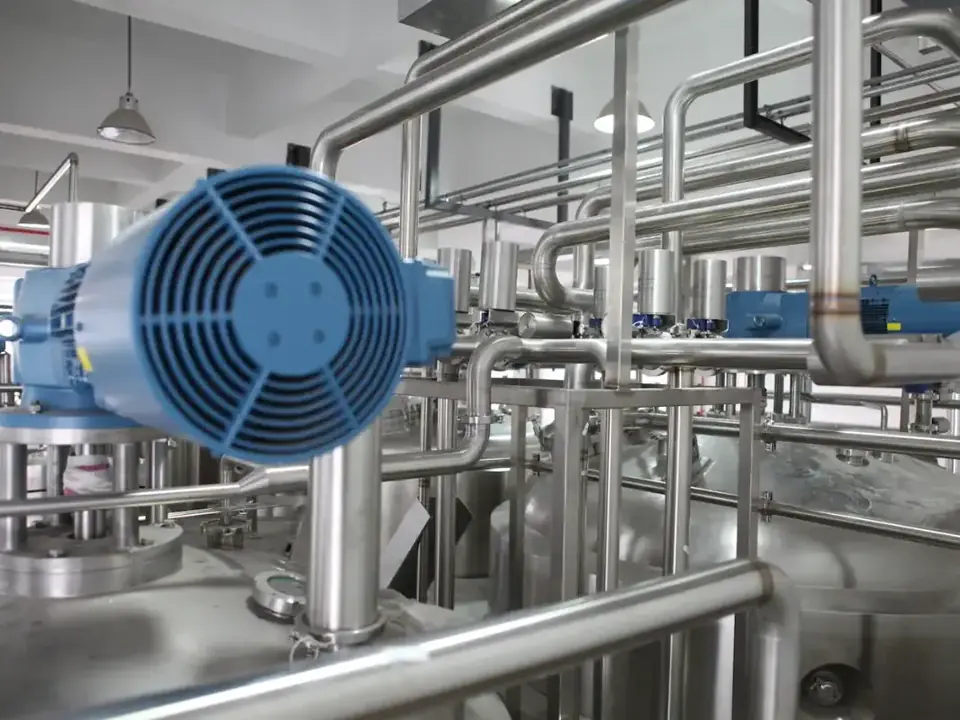
304 vs 316 Stainless Steel
The main difference between 304 and 316 stainless steel is molybdenum.
View details →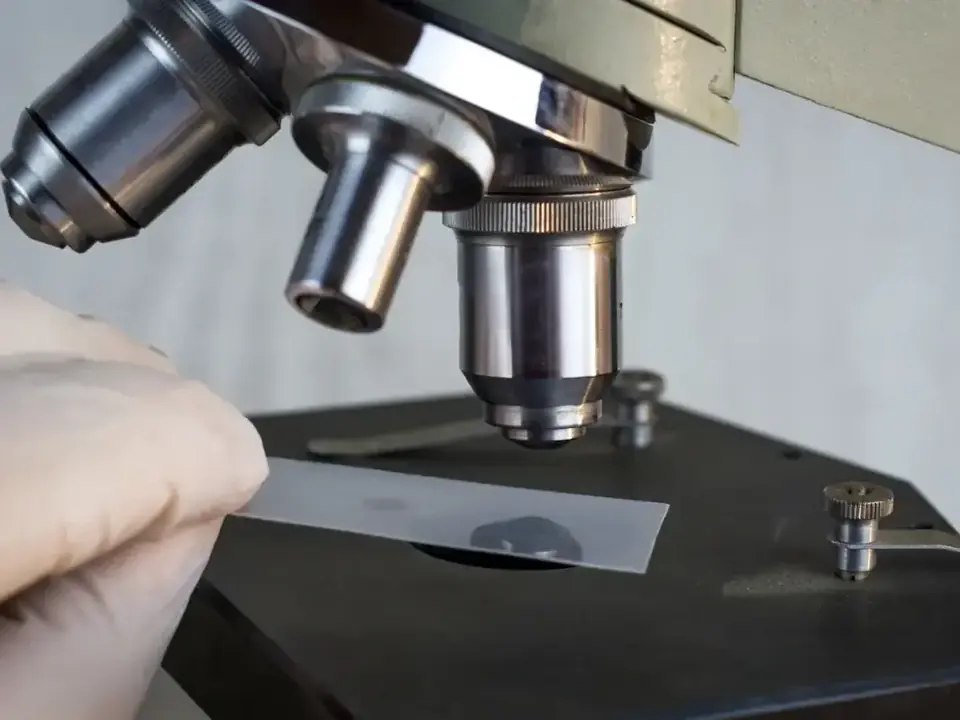
How to Read a Mill Test Certificate
To read a mill test certificate, first match the heat number on the certificate to the marking on the material.
View details →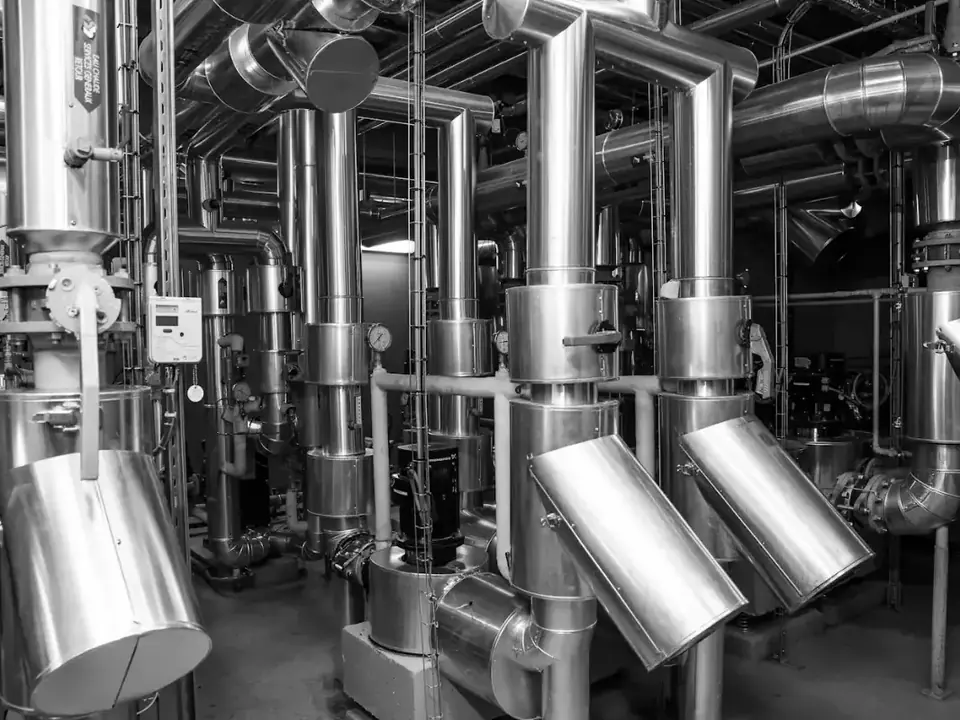
Food, Dairy & Beverage
Food grade stainless steel usually means 304 for most dairy, brewery and food equipment, and 316 or 316L where salt, brine,…
View details →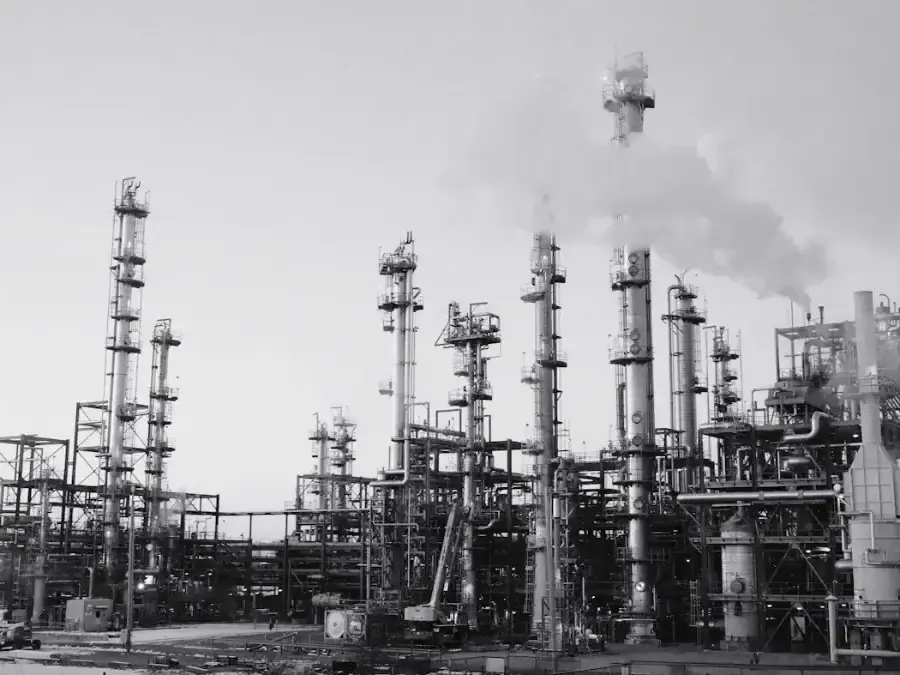
Oil & Gas
Most oil and gas piping is carbon steel, usually ASTM A106 Grade B seamless for process lines and A53 Grade B for utilities.
View details →
Power Plants & IBR Boilers
IBR boiler tubes and pipes are steel products made and tested to the Indian Boiler Regulations so they can be used in boilers and…
View details →Chemical & Process Plants
In chemical plants the metal is chosen by the fluid it handles.
View details →Food, Dairy & Beverage
Food grade stainless steel usually means 304 for most dairy, brewery and food equipment, and 316 or 316L where salt, brine,…
View details →Supplying a pharmaceutical project? Send the BOQ.
Send the material, grade, size and quantity. We confirm availability and price, with the test certificate details.