- Home
- All Products
- Aluminium
- Balco Aluminium
Balco Aluminium from Korba, Explained for Buyers
BALCO, short for Bharat Aluminium Company Limited, is an aluminium producer based in Korba, Chhattisgarh. It was incorporated in 1965 as a public sector company; in 2001 the Government of India sold 51% to Sterlite Industries, now Vedanta Limited, and kept 49%. Jubilant Impex in Bangalore deals in Balco-origin aluminium with a test certificate.
Balco is a name most Indian buyers know from electrical work. Wire rod for conductors, busbar for panels and switchgear, and primary ingot for foundries all come out of its Korba plant in quantity. Fewer people realise that the same company also produces rolled products, which is why Balco appears on our product sheet next to Hindalco for aluminium sheet and coil.
Here is a plain account of the company, what it makes, and when it is worth asking for Balco aluminium by name. As with every mill we mention, this is background on the producer; it does not mean Jubilant Impex is Balco's authorised or appointed distributor.
BALCO in a few lines
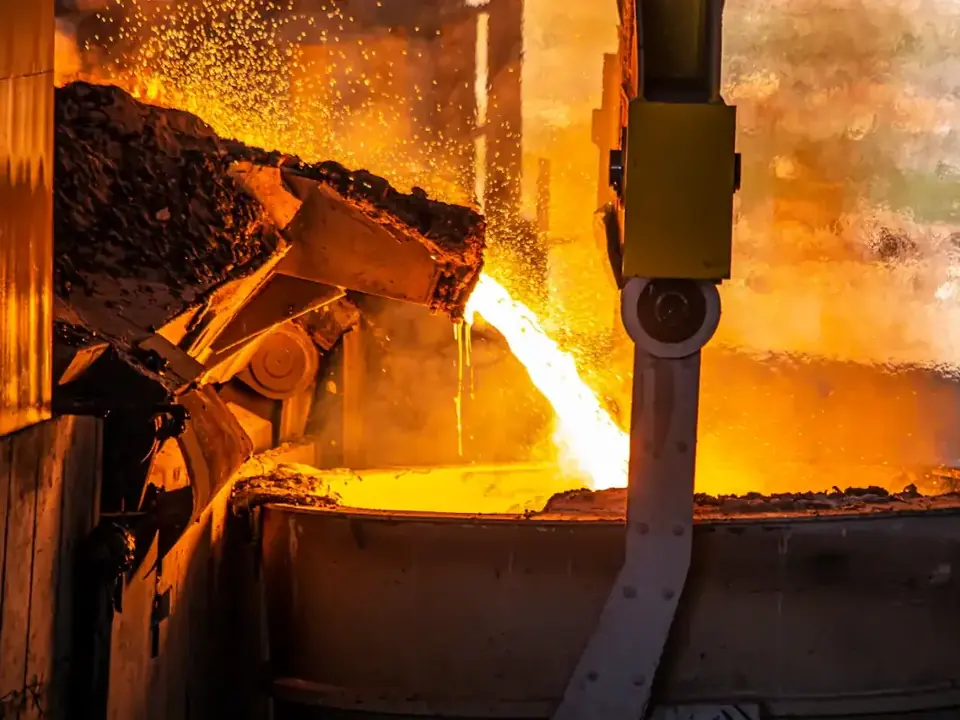
Bharat Aluminium Company Limited was set up in 1965 as a Government of India undertaking. Its main operations are in the town of Korba in Chhattisgarh, a coal-rich district, which matters because aluminium smelting is extremely power hungry and BALCO runs its own captive power plant.
In 2001 the Government divested 51% of the equity to Sterlite Industries (India) Limited, the company now known as Vedanta Limited. The remaining 49% is still held by the Government of India. In the market, Balco is therefore described as a Vedanta group company.
What does BALCO make?
BALCO's own description of its finishing lines lists ingots, wire rods, busbars and rolled products, and it also casts billets for extrusion. The smelter uses prebake technology. A second smelter was added at Korba in 2004.
For a Bangalore buyer, that product mix means Balco metal turns up in two ways. Directly, as rolled sheet and coil or as electrical sections. Indirectly, as billet that an extruder turns into pipes and profiles, or as primary ingot that a secondary smelter remelts and alloys.
Wire rod deserves a separate mention. It is the starting stock for drawn aluminium wire, and wire is one of the forms on our product sheet. If you are buying wire for winding, earthing or binding, tell us the end use, because conductor work and general-purpose wire are drawn from different alloys and tempers.
Where Balco aluminium shows up in Karnataka
Electrical contractors and panel builders are the most frequent users. Aluminium carries roughly 60 percent of the conductivity of copper by volume, but at about a third of the weight, which is why it is used for overhead conductors, cable cores and busbars. Our electrical and power distribution page covers the wider metals list for that sector.
Fabricators use Balco sheet in the same way they use any other Indian mill sheet: enclosures, ducting, cladding, trays and covers. What matters for them is the alloy and temper, and those are covered on the aluminium coils, sheets and plates page.
| Hindalco | BALCO | |
|---|---|---|
| Full name | Hindalco Industries Ltd | Bharat Aluminium Company Ltd |
| Group | Aditya Birla Group | Vedanta group (51%) |
| Government stake | None | 49% held by Government of India |
| Started | Incorporated 1958; Renukoot production from 1962 | Incorporated 1965 |
| Main location | Multiple sites; first smelter at Renukoot, U.P. | Korba, Chhattisgarh |
| Product families | Primary metal, rolled products, extrusions, foil | Ingots, wire rods, busbars, billets, rolled products |
Hindalco or Balco: does it make a difference?
For most shop-floor work, no. A 1.5 mm sheet in 5052-H32 is defined by its alloy limits and its tempered strength, and both mills roll to recognised standards. The difference shows up in paperwork and approvals. Government, PSU and large EPC tenders sometimes name approved mills, and a project that has standardised on one source may not accept the other without a deviation request.
If your enquiry is open on brand, say so. We will quote whichever certified Indian source suits the size and temper. If it is not open, name the mill and we will confirm before quoting. The table below summarises the two producers on our product sheet; for more on the other mill, see Hindalco aluminium.
View as table
| Diameter | kg per metre |
|---|---|
| 10 mm dia | 0.21 kg/m |
| 16 mm dia | 0.54 kg/m |
| 20 mm dia | 0.85 kg/m |
| 25 mm dia | 1.33 kg/m |
| 32 mm dia | 2.17 kg/m |
| 40 mm dia | 3.39 kg/m |
| 50 mm dia | 5.30 kg/m |
| 63 mm dia | 8.42 kg/m |
| 80 mm dia | 13.57 kg/m |
| 100 mm dia | 21.21 kg/m |
What to ask for on a Balco order
Ask for three things in writing: the alloy designation, the temper, and the certificate type. Jubilant Impex supplies material with a test certificate from a Government-recognised test house, and passes on the mill certificate where one is available for the lot. Check that the coil or bundle number on the material matches the certificate before the material goes to the shop floor.
View as table
| Metal | Density |
|---|---|
| Aluminium | 2.70 g/cm³ |
| Antimony | 6.68 g/cm³ |
| Zinc | 7.14 g/cm³ |
| Tin | 7.29 g/cm³ |
| Duplex 2205 | 7.80 g/cm³ |
| Carbon & mild steel | 7.85 g/cm³ |
| Stainless 304 | 7.93 g/cm³ |
| Incoloy 825 | 8.14 g/cm³ |
| Inconel 625 | 8.44 g/cm³ |
| Brass 70/30 | 8.53 g/cm³ |
| Gun metal | 8.72 g/cm³ |
| Monel 400 | 8.80 g/cm³ |
| Phosphor bronze | 8.86 g/cm³ |
| Hastelloy C276 | 8.89 g/cm³ |
| Nickel | 8.90 g/cm³ |
| Copper | 8.94 g/cm³ |
| Lead | 11.34 g/cm³ |
Questions about Balco Aluminium
Still unsure? Call 080-41159995 or WhatsApp +91 98441 25506 and we will answer from the trade desk.
What is the full form of BALCO?
BALCO stands for Bharat Aluminium Company Limited. It was incorporated in 1965 as a Government of India undertaking and has its main operations at Korba in Chhattisgarh. Since 2001 it has been majority owned by Vedanta Limited, formerly Sterlite Industries, with the Government holding the remaining 49 percent.
Who owns BALCO?
Vedanta Limited holds 51 percent of BALCO and manages the company. The stake was bought in 2001, when the Government of India divested 51 percent of the equity to Sterlite Industries (India) Limited, which later became Vedanta Limited. The Government of India continues to hold the other 49 percent.
Where is the BALCO plant located?
BALCO's main plant is at Korba in Chhattisgarh. The site includes the aluminium smelters, a captive power plant and the casting and finishing lines that produce ingots, wire rods, busbars, billets and rolled products. Korba is one of central India's main coal and power districts, which suits power-hungry aluminium smelting.
Is BALCO a PSU?
Not any more in the usual sense. BALCO began in 1965 as a public sector undertaking, but after the 2001 divestment Vedanta holds a 51 percent controlling stake and runs the company. The Government of India still owns 49 percent, so it is a Vedanta group company with a large government shareholding.
Why is aluminium used instead of copper for busbars and conductors?
Aluminium conducts about 60 percent as well as copper for the same cross-section, but it weighs roughly one third as much. A larger aluminium section can therefore carry the same current at lower weight and usually lower cost. The trade-offs are bigger sections, and joints that need proper surface preparation and compatible connectors.
Keep exploring
Aluminium
Jubilant Impex supplies aluminium from Indian mills, Hindalco (including the old Indal range) and Balco, from its S.P. Road…
View details →Hindalco Aluminium
Hindalco Industries is the Aditya Birla Group's aluminium and copper company, incorporated in 1958, with its first smelter at…
View details →Aluminium Coils, Sheets & Plates
Aluminium sheet is flat-rolled aluminium generally between about 0.2 mm and 6 mm thick; above roughly 6 mm it is called plate,…
View details →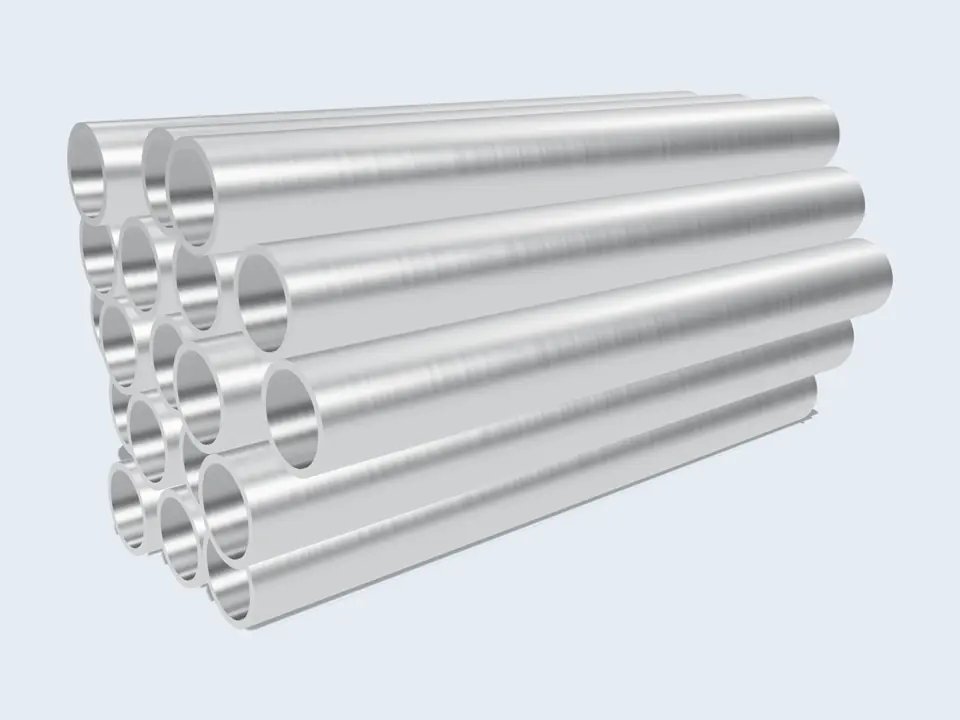
Aluminium Pipes, Flats & Extrusions
Aluminium pipes, flats and sections are made by extrusion, mostly from 6063 for general and architectural work and from 6061 or…
View details →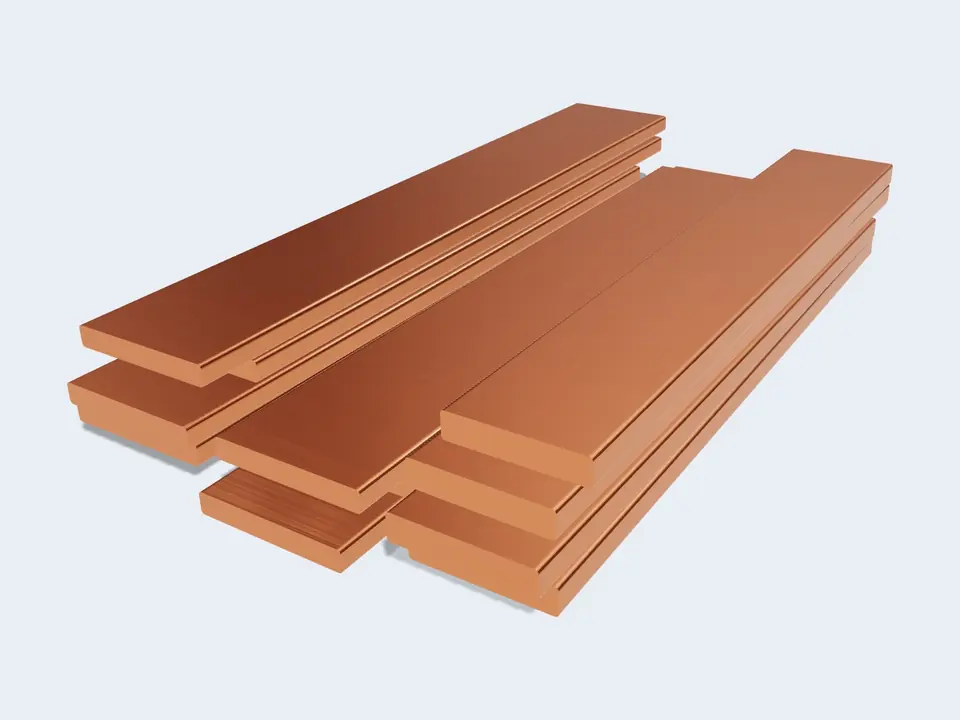
Electrical & Power Distribution
Electrical and power distribution equipment runs on EC grade copper, which is at least 99.9% pure with conductivity close to 100%…
View details →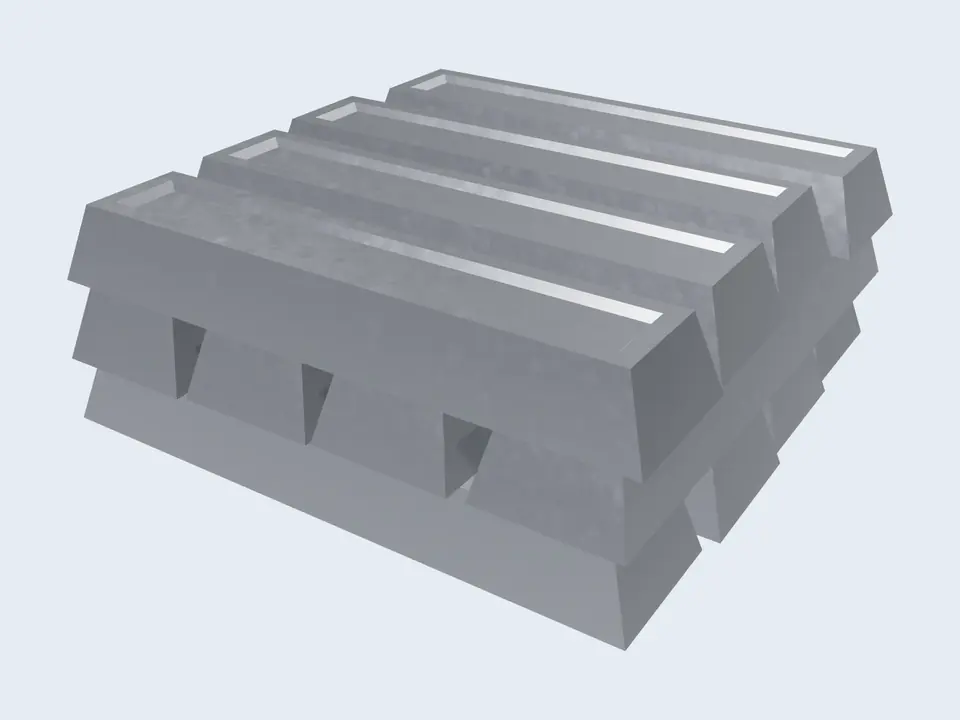
Ingots
Jubilant Impex supplies lead, zinc and tin ingots and aluminium LM4 and LM6 alloy ingots from Bangalore.
View details →
Request a Quote
To request a quote for stainless steel pipes or any metal from Jubilant Impex in Bangalore, send the material, grade, standard,…
View details →Need balco aluminium? Get a quote today.
Send the material, grade, size and quantity. We confirm availability and price, with the test certificate details.