
- Home
- Industries We Serve
Industries we supply metals to, and what each one buys
Jubilant Impex supplies industrial raw materials from Bangalore to twelve main user industries: oil and gas, power and IBR boilers, chemical plants, pharma, food and dairy, sugar and distilleries, marine, electrical, electroplating, engineering workshops, construction and HVAC. Each buys a different mix of stainless, carbon and alloy steel, copper, brass, aluminium, anodes, ingots and nickel alloys.
Pick your industry
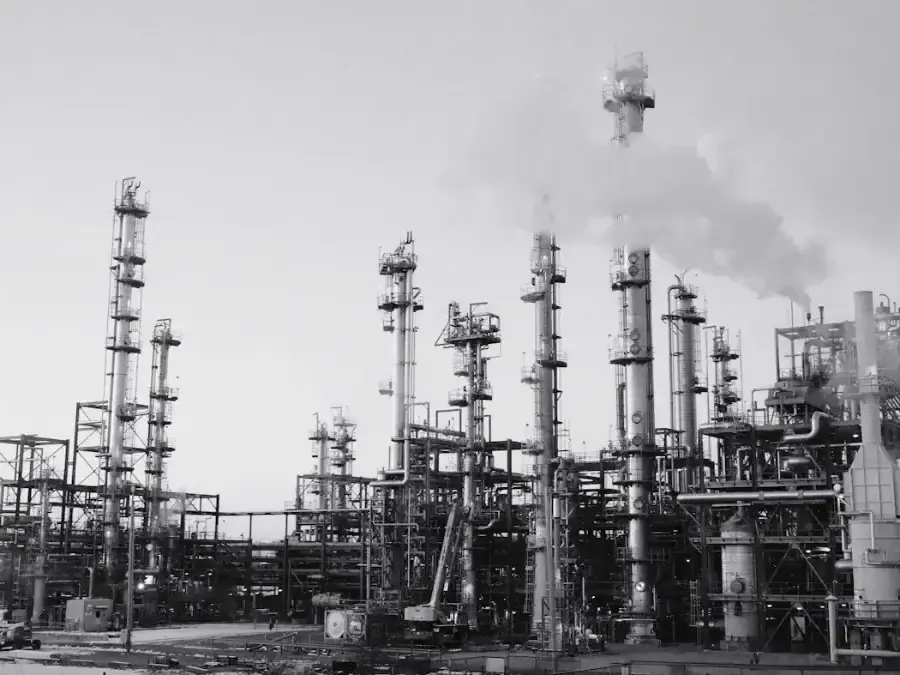
Oil & Gas
Refineries, terminals, gas plants
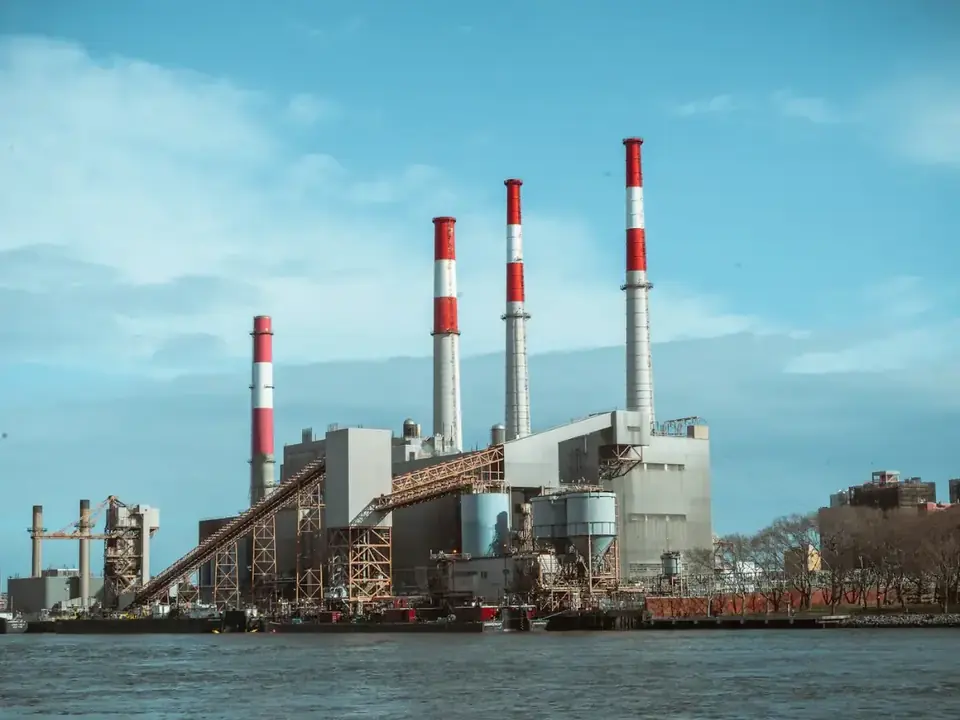
Power Plants & IBR Boilers
Thermal, captive and cogen boilers
Chemical & Process Plants
Chemical and process industry

Pharmaceutical
Pharma, API and biotech
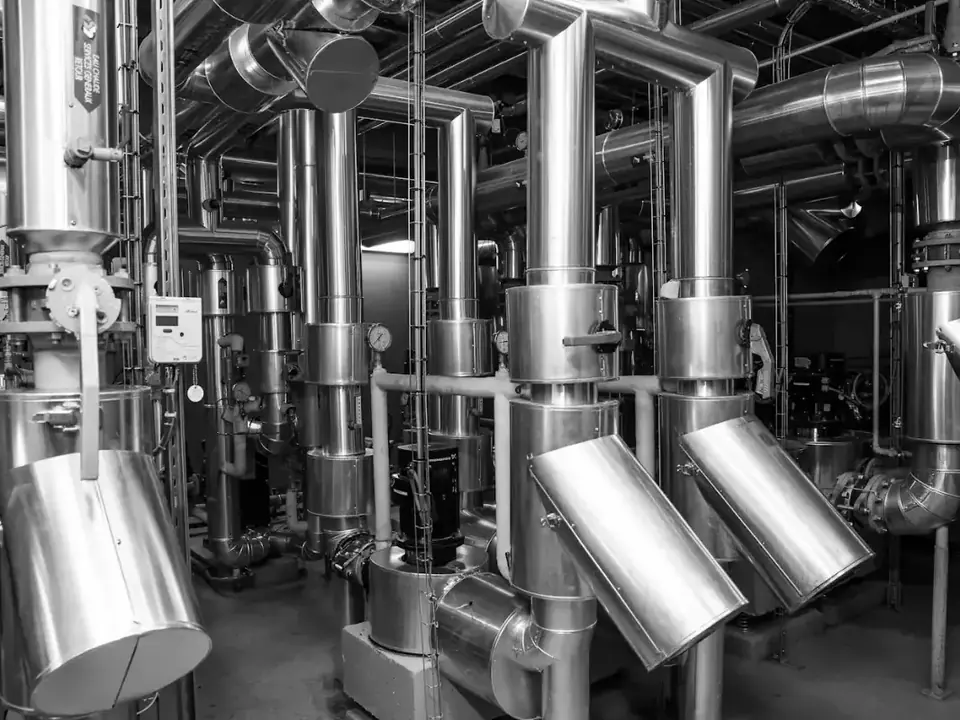
Food, Dairy & Beverage
Dairy, brewing, food processing
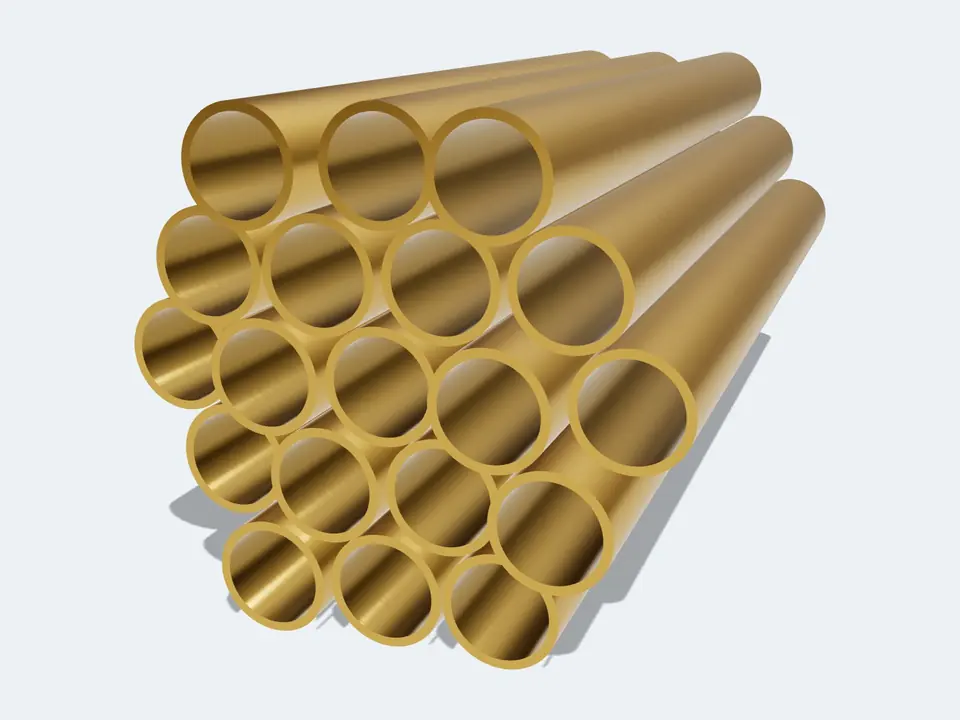
Sugar Mills & Distilleries
Sugar, cogeneration, ethanol

Marine & Offshore
Shipbuilding, boats, offshore
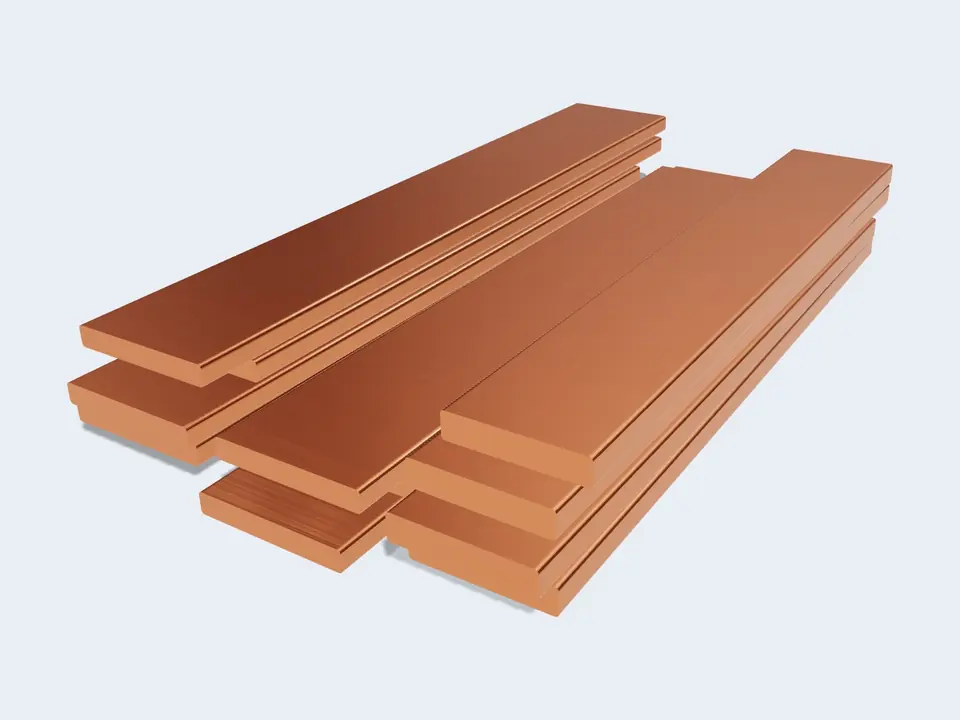
Electrical & Power Distribution
Panels, transformers, earthing
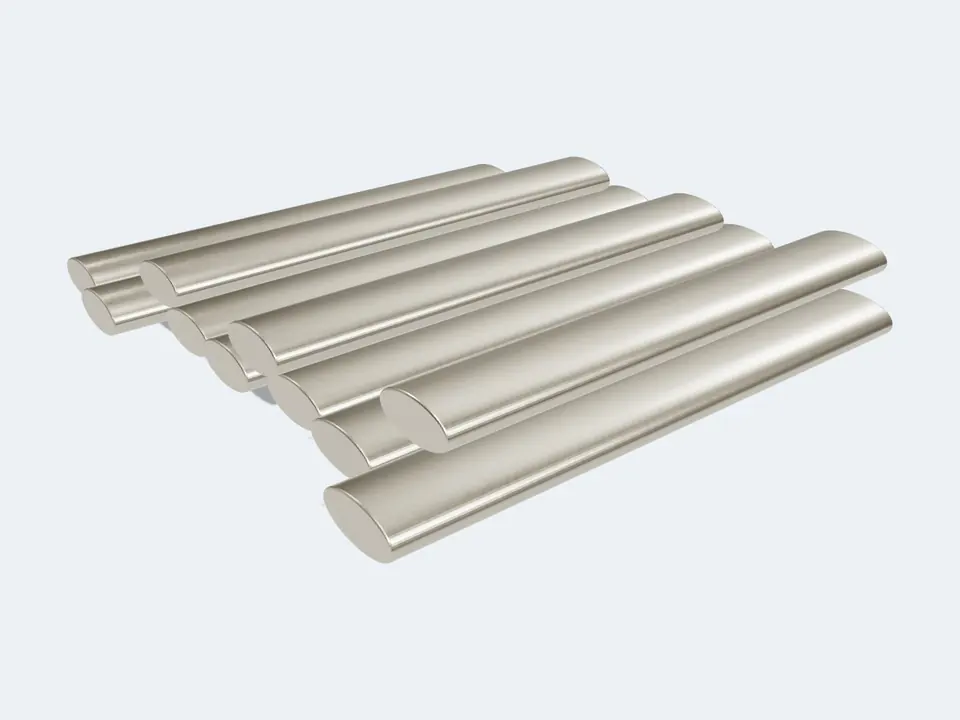
Electroplating & Surface Finishing
Plating and surface finishing

Engineering & Machining
Job shops and OEM suppliers

Construction & Infrastructure
Contractors and fabricators
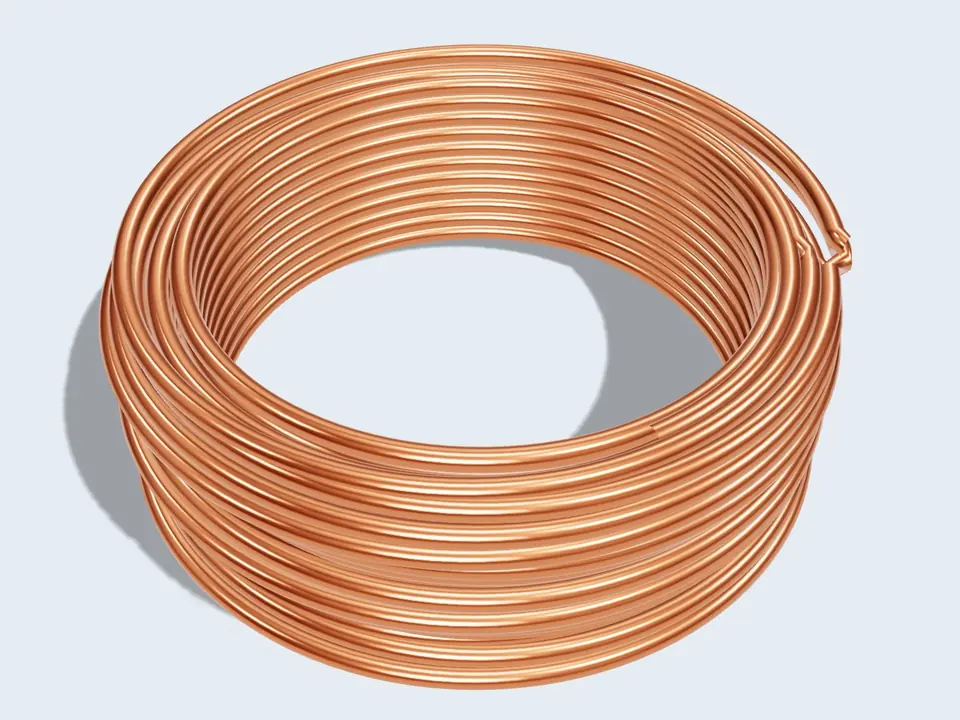
Refrigeration & HVAC
AC, cold rooms, ducting
Which metal goes to which industry
| SS | Alloy/CS | MS | Cu | Brass | Al | Ni alloys | Anodes | Ingots | |
|---|---|---|---|---|---|---|---|---|---|
| Oil & Gas | ● | ● | ● | ||||||
| Power Plants & IBR Boilers | ● | ● | |||||||
| Chemical & Process Plants | ● | ● | |||||||
| Pharmaceutical | ● | ● | |||||||
| Food, Dairy & Beverage | ● | ● | ● | ||||||
| Sugar Mills & Distilleries | ● | ● | ● | ● | ● | ||||
| Marine & Offshore | ● | ● | ● | ● | |||||
| Electrical & Power Distribution | ● | ● | ● | ● | |||||
| Electroplating & Surface Finishing | ● | ● | ● | ● | |||||
| Engineering & Machining | ● | ● | ● | ● | ● | ||||
| Construction & Infrastructure | ● | ● | ● | ● | ● | ||||
| Refrigeration & HVAC | ● | ● | ● | ● | ● |
A 2-inch 316L pipe looks the same whether it goes into a pharma purified-water loop or a chemical transfer line. What changes is the paperwork the buyer expects, the finish they will accept and the question they ask first. A boiler engineer asks about IBR before the price. A plating shop asks about anode purity. A machine shop asks whether the bar will chip cleanly.
The pages below are written from that buyer's side of the counter. Each one maps the equipment in that industry to the materials it normally uses, and links straight to the product and grade pages.
One stock list, twelve very different buyers
Our range comes from one product sheet: austenitic and magnetic stainless steel, alloy and carbon steel pipe with IBR, mild steel plates and sections, copper and brass in most mill forms, Hindalco and Balco aluminium, nickel anodes, non-ferrous ingots, and a set of special alloys including Inconel, Incoloy, Monel, Hastelloy and duplex. Most industrial buyers need three or four of these families at once, rarely all of them.
That is why we organise this section by industry. A sugar mill's purchase list for the off-season has brass tubes, gun metal bushes and IBR boiler tubes on the same page. A switchgear builder in Peenya needs EC copper flats, tinned copper and brass for terminals. Grouping them this way saves you from clicking through six product categories to build one indent.
Process and energy industries
These are the buyers who live by pressure, temperature and corrosion data. Oil and gas plants run mostly on carbon steel to ASTM A106, switching to chrome-moly and nickel alloys where heat or chlorides demand it. Power stations and IBR boilers need tubes and pipes with the certification the boiler inspector will check. Chemical units pick metal by the fluid inside the pipe, which can mean anything from 304L to Hastelloy or a lead lining.
Pharma and food plants sit in the same family but care about hygiene more than heat. Their default is 316L or 304 stainless, with traceability back to the heat number.
Agro-industry and the sea
Sugar mills and distilleries are a large customer group in Karnataka, with cane grown across Belagavi, Bagalkot and Mandya. Their needs are seasonal: retubing juice heaters and evaporators, rebushing mill bearings and boiler repairs before crushing begins. Distilleries attached to these mills add stainless fermenters and copper columns to the list. Marine and offshore buyers along the coast at Mangaluru and Karwar care mainly about seawater, so they lean on Monel, duplex, 316L, bronze and zinc.
Workshop, electrical and building trades
Bangalore's engineering clusters at Peenya, Bommasandra and Jigani buy bar stock by the length: free-machining 303, 410 and 431 for shafts, brass rods for turned parts, phosphor bronze for bushes. Electrical panel and transformer makers buy EC grade copper and aluminium. Plating shops buy nickel anodes, zinc and tin. Construction and HVAC contractors buy structural sections, chequered plate, GI sheet and copper coil.
If your industry is not listed, the materials probably still are. Send the drawing or the old purchase order and we will match it.
What every industry asks for: a test certificate
Across all twelve groups, one request is constant. Material is supplied with a test certificate through a Govt. recognised test house, and our quality system is certified to ISO 9001:2015. If you are not sure what to check on the certificate when it arrives, our guide on how to read a test certificate walks through heat numbers, chemistry and mechanical results line by line.
Questions about Industries We Serve
Still unsure? Call 080-41159995 or WhatsApp +91 98441 25506 and we will answer from the trade desk.
What industries use stainless steel the most?
Food and dairy, pharmaceutical, chemical processing and oil and gas are the heaviest industrial users of stainless steel pipe, tube and sheet. Grade 304 covers most food and general plant work, while 316L is preferred wherever chlorides, acids or welding sensitisation are a concern. Engineering workshops also use a lot of stainless bar, mostly 303, 304, 410 and 431.
Which metals are used in heavy industry?
Carbon and alloy steel make up most of the tonnage in heavy industry, for structures, pressure piping and boilers. Stainless steel follows wherever corrosion matters. Copper and aluminium dominate electrical work, brass and bronze cover heat exchangers, valves and bearings, and nickel alloys such as Inconel, Monel and Hastelloy are used in small quantities for the harshest heat and corrosion.
Do you supply materials to industries outside Bangalore?
Yes. We are based on S.P. Road in Bangalore and regularly quote for plants and fabricators across Karnataka and the neighbouring South Indian states. Tell us the delivery location with your enquiry so we can include transport in the quote. Every consignment goes with a GST invoice and the test certificate for the material.
How do I choose the right metal for my application?
Start with four facts: the fluid or environment the part sees, the maximum temperature, the pressure or load, and any code that governs the equipment such as IBR or ASME. Those usually narrow the choice to two or three grades. Send us the conditions or your existing drawing and we will suggest the grade and form that fit.
Can one supplier handle stainless, copper and alloy steel in a single order?
We can, and many maintenance buyers prefer it because it means one purchase order, one delivery and one set of certificates to file. Our range covers stainless, carbon and alloy steel pipes, mild steel, copper, brass, aluminium, anodes, ingots and nickel alloys. List everything on one enquiry and we will quote item by item.
Need it this week? Send us your list.
Send the material, grade, size and quantity. We confirm availability and price, with the test certificate details.