
- Home
- Industries We Serve
- Power Plants & IBR Boilers
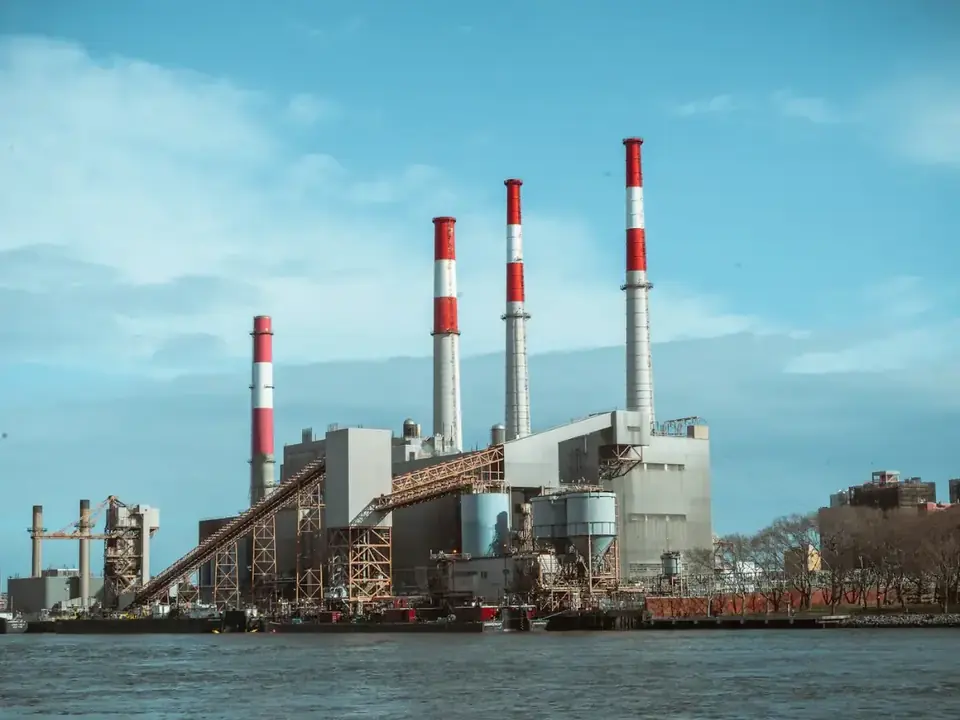
Boiler tubes, steam pipes and IBR material for power plants
IBR boiler tubes and pipes are steel products made and tested to the Indian Boiler Regulations so they can be used in boilers and steam lines. Power plants typically use BS 3059 or SA-179 tubes for low-temperature circuits, A335 P11 or P22 for superheaters and main steam lines, and A106 Grade B for feedwater. Jubilant Impex supplies these from Bangalore.
In a boiler, the inspector's signature matters as much as the metallurgy. A tube can be the right grade and still be rejected if it arrives without the right IBR paperwork. So we start every boiler enquiry with one question: does this go inside the IBR boundary or not?
Below, the boiler is broken into its circuits, from cold water in to steam out, with the material each part normally uses.
Which parts of a power plant need IBR material?
IBR covers the boiler pressure parts and the steam piping above the pressure limits the regulations set. That includes economiser, water wall, superheater and reheater tubes, headers, drums and the main steam line to the turbine. Feedwater lines to the boiler also normally fall inside it. Cooling water, condensate return at low pressure and structural steel generally do not.
Our explainer on what IBR pipe actually means covers the documents in detail. The practical rule: if the drawing says IBR, the certificate must say IBR too.
Cold end: economiser, water walls and heat exchangers
Water and low-temperature steam circuits use carbon steel tube. BS 3059 Part 1 covers low-tensile carbon steel tubes for circuits where hot strength is not specified, while Part 2 adds carbon, alloy and austenitic grades with guaranteed strength at temperature for heavier duty. SA-179 is seamless cold-drawn low-carbon tube made mainly for heat exchangers, condensers and feedwater heaters, where its softness makes rolling into tube sheets easy.
Feedwater and low-temperature steam piping is usually A106 Grade B seamless. Economiser tubes see the coldest flue gas in the boiler, and if the gas drops below its acid dew point the outside of the tube corrodes quickly. Wall thickness and tube grade on replacement orders should therefore match the original design, not just the nearest size available in the market.
Hot end: superheaters, headers and main steam
Once steam temperature climbs past what carbon steel can hold long term, the drawing switches to chrome-moly. A335 P11 is common in medium-pressure industrial boilers. A335 P22 carries more chromium and molybdenum and is used for hotter superheater outlets, headers and main steam lines in larger units.
Hydraulic and boiler square pipes, which we also stock in seamless and ERW, are used for headers and some special fabrications. For any chrome-moly order, the fabricator will need the chemistry to plan preheat and post-weld heat treatment, and the boiler inspector will want to see that the welding procedure matches the grade. We send the full certificate with the material so neither has to chase it.
What goes where
View as table
| Grade | Tensile, min |
|---|---|
| ASTM A335 P11 Pipe | 415 MPa min |
| ASTM A335 P22 Pipe | 415 MPa min |
| ASTM A106 Grade B Pipe | 415 MPa min |
| ASTM A53 Grade B Pipe | 415 MPa min |
| ASME SA-179 Heat Exchanger Tubes | 325 MPa min |
| BS 3059 Boiler Tubes (Part I & II) | 480 MPa min |
Grades and products buyers in this sector order
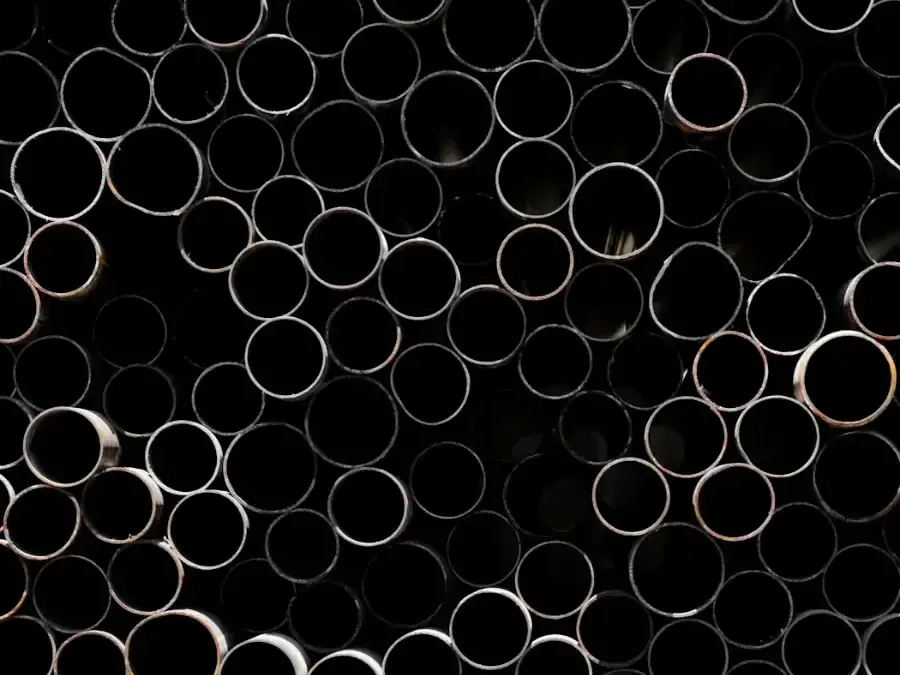
ASME SA-179 Heat Exchanger Tubes
ASME SA-179 covers seamless cold-drawn low-carbon steel tubes, 1/8 to 3 inch OD, for tubular heat exchangers, condensers and…
View details →BS 3059 Boiler Tubes (Part I & II)
BS 3059 is the British Standard for steel boiler and superheater tubes.
View details →ASTM A335 P22 Pipe
A335 P22 is a seamless alloy steel pipe with 1.90–2.60% chromium and 0.87–1.13% molybdenum, used for steam and process piping…
View details →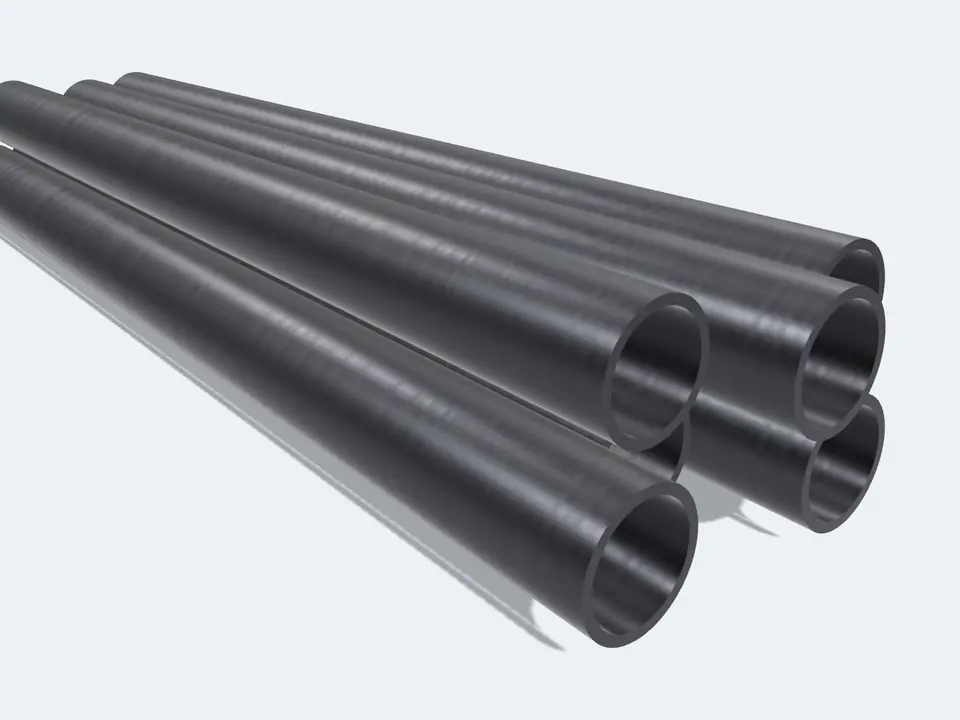
ASTM A335 P11 Pipe
ASTM A335 P11 is a seamless 1¼% chromium, ½% molybdenum alloy steel pipe for high-temperature service, with 415 MPa minimum…
View details →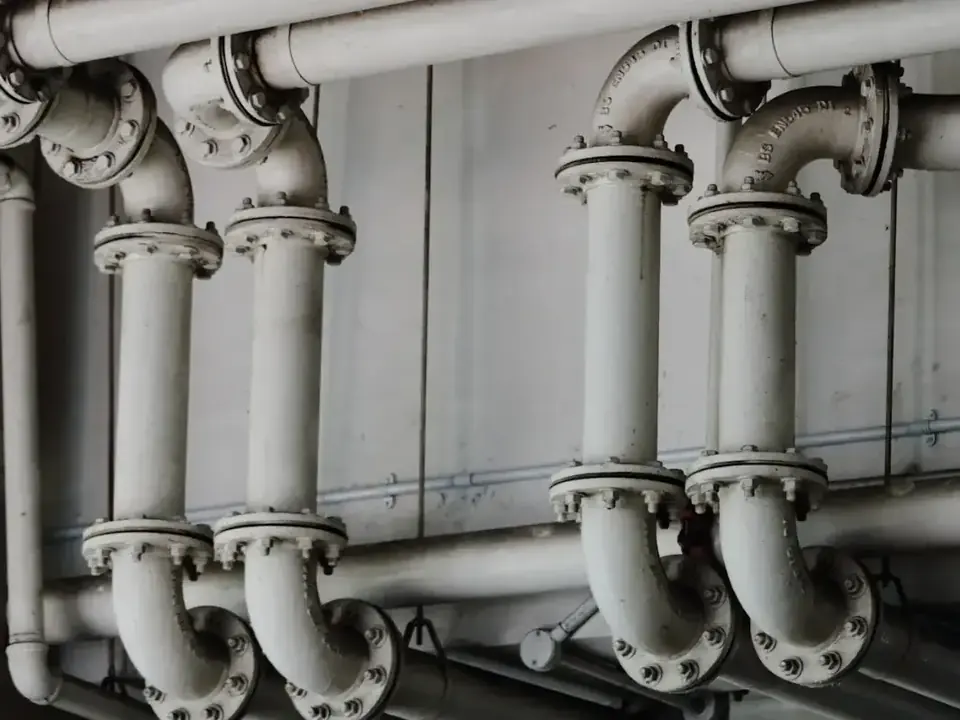
ASTM A106 Grade B Pipe
ASTM A106 Grade B is a seamless carbon steel pipe for high-temperature service, with 0.30% maximum carbon, 0.10% minimum silicon,…
View details →Hydraulic, Boiler (IBR) & Square Pipes
Jubilant Impex in Bangalore supplies seamless and ERW boiler pipes and tubes with IBR certification, cold-drawn hydraulic tubes…
View details →SS 410
SS 410 (UNS S41000) is a martensitic stainless steel with 11.5–13.5% chromium and 0.08–0.15% carbon.
View details →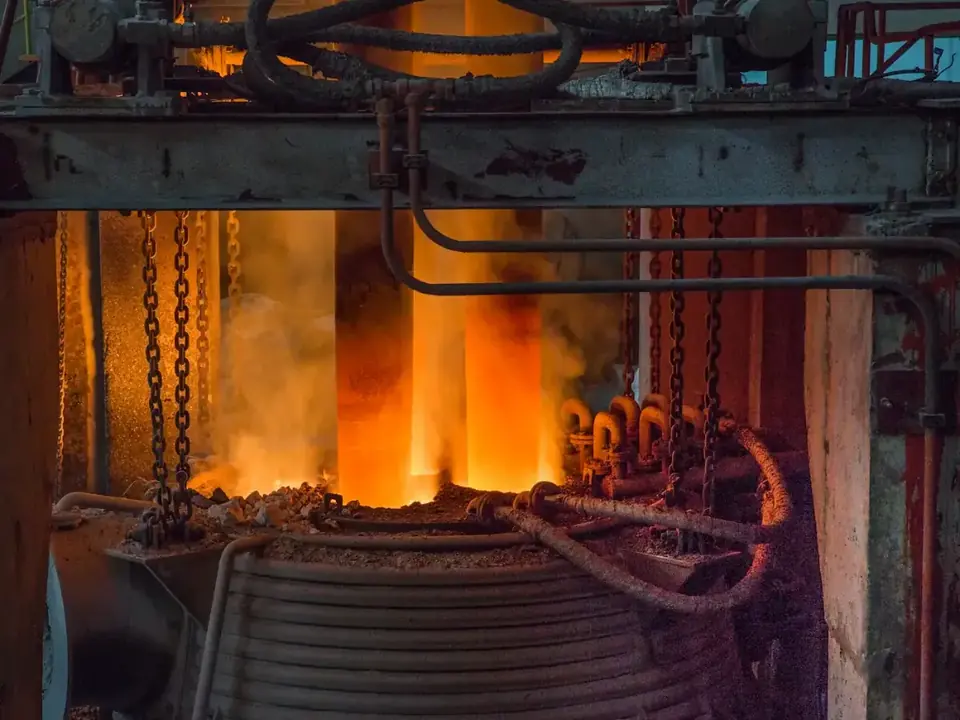
SS 446
SS 446 (UNS S44600) is a ferritic stainless steel with 23–27% chromium, the highest of the standard ferritic grades.
View details →Turbine hall, condenser and cooling side
Away from the boiler, the materials change. 410 and similar 12% chromium martensitic stainless steels are used for turbine blading, valve trim and pump shafts because they can be hardened and resist steam erosion. Condenser and cooler tubes in older plants are often 70/30 brass, and stainless is replacing it in many retubing jobs. Cooling tower and ash handling structures use mild steel plates and sections.
For heat-resistant brackets, burner parts and tube hangers inside the furnace, 446 ferritic stainless resists scaling to around 1,000 °C, which plain steel cannot.
Who buys this in Karnataka
Utility stations such as those at Raichur and Ballari are the large end. The steadier demand comes from smaller boilers: cogeneration units at sugar mills, captive boilers at paper, textile and food plants, and the boiler repair contractors who maintain them. Shutdown work is time-bound, so send the tube list with OD, thickness, length and IBR requirement in one go.
Questions about Power Plants & IBR Boilers
Still unsure? Call 080-41159995 or WhatsApp +91 98441 25506 and we will answer from the trade desk.
What is the difference between IBR and non-IBR pipe?
The steel can be identical. IBR pipe is manufactured and tested by an approved maker and comes with certificates in the form required by the Indian Boiler Regulations, so a boiler inspector can accept it. Non-IBR pipe carries only the normal mill test certificate and cannot be used in boiler pressure parts or regulated steam lines.
Which material is used for boiler superheater tubes?
Superheater tubes are usually low-alloy chrome-moly steel, such as ASTM A213 T11 or T22 for tubes and A335 P11 or P22 for headers and piping, or the BS 3059 Part 2 alloy equivalents. Very hot final stages in large utility boilers move to higher chromium alloys or austenitic stainless steel.
Is SA-179 used in boilers?
SA-179 is written for heat exchanger and condenser tubes, and its main use is in shell-and-tube exchangers, feedwater heaters and air coolers. Its low carbon and softness make it easy to expand into tube sheets. Boiler water wall and economiser tubes are more often specified as SA-192, SA-210 or BS 3059.
What is BS 3059 Part 1 and Part 2?
BS 3059 is the British standard for steel boiler and superheater tubes. Part 1 covers low-tensile carbon steel tubes without specified elevated-temperature properties, used for lower-duty boiler circuits. Part 2 covers carbon, alloy and austenitic stainless steel tubes with guaranteed properties at elevated temperature, used for superheaters and hotter circuits.
What documents should come with IBR boiler tubes?
Expect the manufacturer's IBR certificate in the prescribed form, linked to the heat or cast numbers stamped on the tubes, plus the mill test certificate with chemistry and mechanical results. Keep these together; the inspector will compare tube markings with the certificate before approving the boiler work.
Why are chrome-moly pipes used in steam lines?
Chromium and molybdenum raise the creep strength of steel, so pipe can carry high-pressure steam at high temperature for years without slowly deforming. They also reduce graphitisation and oxidation. Carbon steel is cheaper but loses too much strength above roughly 400 °C for long-term main steam service.
Other industries and guides
What Is an IBR Pipe?
An IBR pipe is a pipe manufactured, tested and certified to the Indian Boiler Regulations, 1950 for use in boilers and steam…
View details →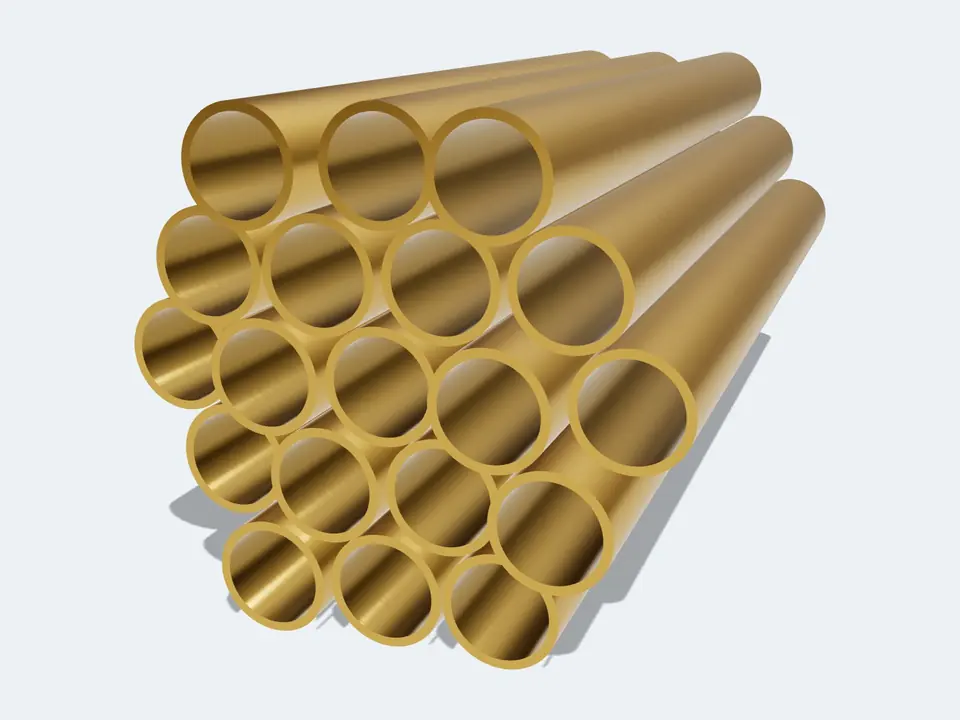
Sugar Mills & Distilleries
Sugar mill tubes are the heat-exchange tubes in juice heaters, evaporators and pans, traditionally drawn in 70/30 brass for its…
View details →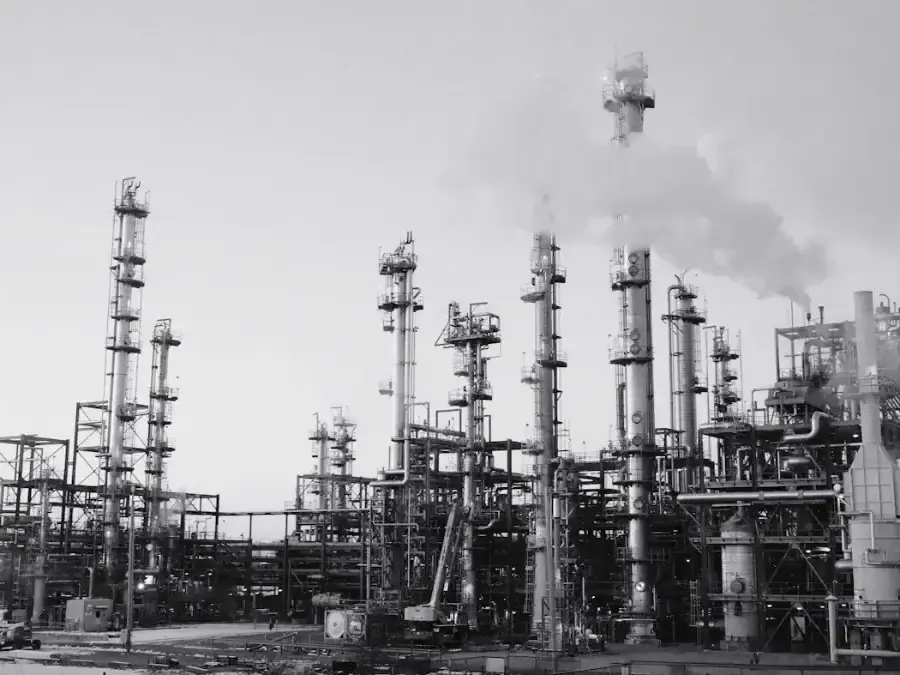
Oil & Gas
Most oil and gas piping is carbon steel, usually ASTM A106 Grade B seamless for process lines and A53 Grade B for utilities.
View details →
Chemical & Process Plants
In chemical plants the metal is chosen by the fluid it handles.
View details →
Pharmaceutical
Pharmaceutical grade stainless steel is normally 316L for product-contact parts and purified water or WFI systems, and 304 for…
View details →
Food, Dairy & Beverage
Food grade stainless steel usually means 304 for most dairy, brewery and food equipment, and 316 or 316L where salt, brine,…
View details →Supplying a power plants & ibr boilers project? Send the BOQ.
Send the material, grade, size and quantity. We confirm availability and price, with the test certificate details.