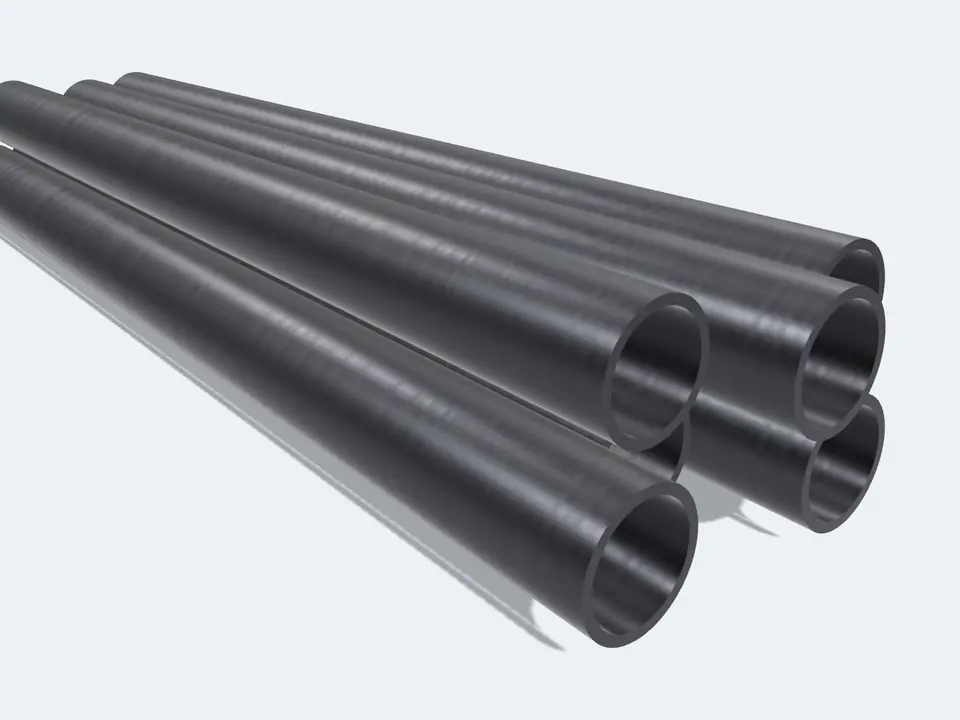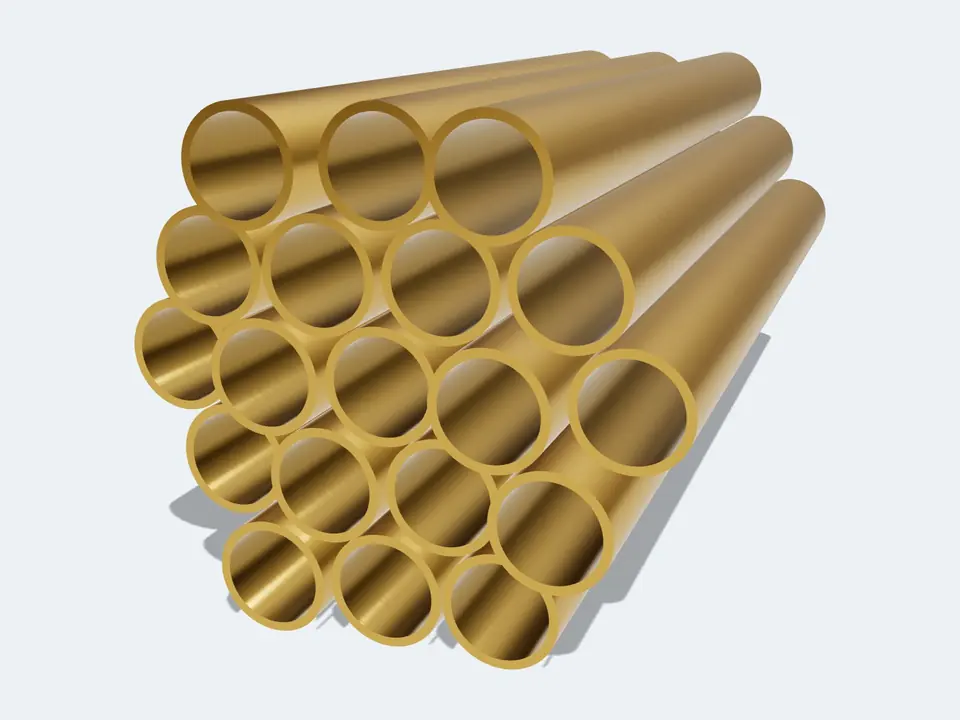
An IBR pipe is a pipe manufactured, tested and certified to the Indian Boiler Regulations, 1950 for use in boilers and steam lines in India. It carries a Form III-A certificate signed by an IBR-recognised inspecting authority or a well-known pipe maker. IBR applies to steam pipes above 3.5 kg/cm², or above 254 mm bore at over 1 kg/cm².
IBR is one of those terms every steam-line contractor uses and few buyers can define. The short version: in India, a boiler and the pipes that carry its steam are regulated equipment. Material for them must be made and tested under recognised inspection, with specific paperwork, and the line must be registered and inspected by the state boiler inspectorate. An IBR pipe is simply pipe that comes with that paperwork. Without it, even perfect A106 Grade B is not acceptable on a regulated steam line.
What does IBR stand for?
IBR stands for Indian Boiler Regulations, 1950. They were framed by the Central Boilers Board under the Boilers Act, 1923, and set out how boilers, steam pipes, feed pipes, mountings and fittings must be designed, made, tested, inspected and registered.
In 2025 the old Act was replaced. The Boilers Act, 2025 came into force on 1 May 2025 and repealed the 1923 Act. Its saving clause keeps regulations made under the old Act in force until new ones are notified, so in day-to-day practice the IBR requirements and forms still apply. If you are working on a new installation, confirm the current position with your state's boiler inspectorate.
When does a pipe fall under IBR?
The law defines a steam pipe as any pipe through which steam passes from a boiler to a prime mover or other user, when either of two conditions is met:
- The steam pressure exceeds 3.5 kg/cm² above atmospheric pressure, or
- The pipe's internal diameter exceeds 254 mm and the steam pressure exceeds 1 kg/cm² above atmospheric
View as table
| Grade | Tensile, min |
|---|---|
| ASTM A335 P11 Pipe | 415 MPa min |
| ASTM A335 P22 Pipe | 415 MPa min |
| ASTM A106 Grade B Pipe | 415 MPa min |
| ASTM A53 Grade B Pipe | 415 MPa min |
| ASME SA-179 Heat Exchanger Tubes | 325 MPa min |
| BS 3059 Boiler Tubes (Part I & II) | 480 MPa min |
What the definition covers in practice
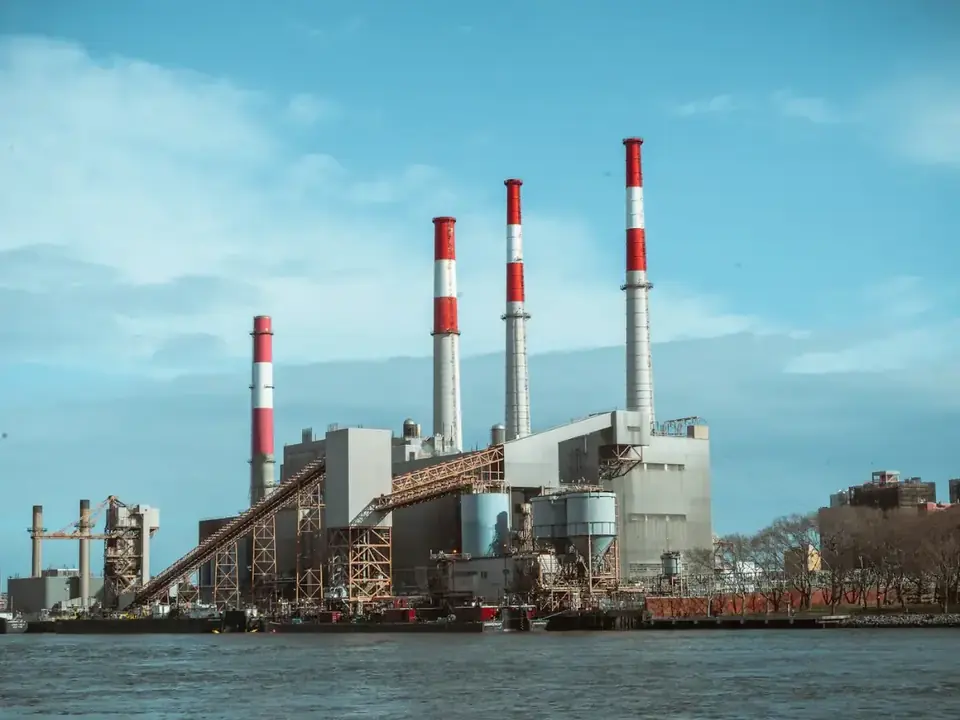
Fittings connected to the pipe are included. In practice almost every process steam line in a sugar mill, distillery, dairy, textile unit, pharma plant or power plant is covered, along with feed water lines to the boiler. Condensate return and low-pressure heating lines below the thresholds are usually outside IBR, but plant owners and insurers often specify IBR material anyway for consistency.
- Fe (balance)
- Cr
- Mo
- Mn
- Si
- Other
View as table
| Grade | Cr | Mo | Mn | Si |
|---|---|---|---|---|
| ASTM A335 P11 Pipe | 1.2 | 0.5 | 0.4 | 0.8 |
| ASTM A335 P22 Pipe | 2.2 | 1.0 | 0.4 | 0.0 |
| ASME SA-179 Heat Exchanger Tubes | 0.0 | 0.0 | 0.5 | 0.0 |
What makes a pipe IBR: Form III-A
Under the regulations, each type of boiler component has its own certificate. For pipes it is Form III-A, the certificate of manufacture and test for pipes. It records the raw material (steel-making process, chemical composition, heat number, steel maker and test certificate reference), the pipe-making process, dimensions, tolerances and specification, and the results of flattening or bend tests, tensile tests, heat treatment and hydraulic test pressure.
Form III-A also carries a table of the material's yield strength, and above 454 °C its creep and rupture stresses, with the maximum allowable working pressure across metal temperatures from 250 °C to 600 °C. It is signed by the manufacturer's competent person and by the inspecting authority, or issued by a pipe maker recognised as a well-known maker. Related forms cover other parts: Form III-B for tubes, Form III-C for mountings and fittings, and Forms IV and IV-A for the steel maker's material certificates.
| Point | IBR pipe | Non-IBR pipe |
|---|---|---|
| Material specification | Same, such as ASTM A106 Gr B | Same, such as ASTM A106 Gr B |
| Manufacture and testing | Under a recognised inspecting authority or by a well-known maker | Under the mill's own quality system |
| Certificate | Form III-A with IBR stamp and signatures | Mill test certificate, often EN 10204 3.1 |
| Allowed on regulated steam lines | Yes | No |
| Price | Higher, because of inspection and paperwork | Lower |
Who signs: inspecting authorities and well-known makers
Only inspecting authorities recognised under the regulations can witness and countersign IBR certificates. These include state boiler inspectorates and recognised third-party agencies. Separately, the Central Boilers Board recognises certain mills as well-known steel makers or well-known tube and pipe makers, whose own certificates are accepted without an inspecting authority's countersignature. Either route gives a valid IBR document; a plain mill certificate on its own, even EN 10204 3.1, does not.
Common IBR pipe materials
The regulations accept a range of Indian, British and ASTM/ASME specifications. In carbon and alloy steel, the ones buyers ask us for most are ASTM A106 Grade B for general steam piping, ASTM A335 P11 and P22 for higher-temperature lines, SA-179 for heat-exchanger and boiler tubes, and BS 3059 boiler and superheater tubes. All are available from us with IBR documentation when you ask for it at enquiry.
IBR fittings, flanges and valves
The pipe is only part of the line. Elbows, tees, reducers, flanges and valves on a regulated steam line need their own IBR certification, normally on Form III-C for mountings and fittings, and forgings and castings have their own forms. Buyers sometimes source IBR pipe carefully and then fit non-IBR flanges, which stops the line at inspection. When you indent, mark IBR against every pressure-retaining item, and see our alloy and carbon steel pipe fittings for the fitting range.
Mistakes that hold up IBR approval
Each of these is easy to avoid at the indent stage and expensive to fix once the line is fabricated, because the inspector can ask for the affected spools to be cut out and replaced.
- Ordering pipe as A106 Grade B without writing IBR on the purchase order
- Accepting a mill test certificate in place of Form III-A
- Cutting pipe before transferring heat numbers to every piece
- Mixing IBR and non-IBR material in the same storage rack
- Using a material specification the regulations do not list for that service
- Leaving fittings, flanges or valves out of the IBR requirement
Cost and lead time
IBR pipe costs more than the same pipe without IBR because inspection, witnessing and certification add work at the mill or stockist. It can also take longer if the inspection has to be arranged for your order rather than drawn from material already certified. Plan for it: confirm IBR availability in the size and specification you need at the quotation stage, and order fittings and flanges at the same time so the whole line clears inspection together.
Checking IBR material at receipt
Treat the paperwork as part of the material. A good receipt check takes ten minutes and saves rejected inspections later. The steps below are what a boiler inspector will look at, so do them before the pipe is cut and welded.
Keep a copy of every certificate with your own records even after the inspectorate has registered the line. You will need them again for repairs, extensions and the periodic inspections that follow.
Frequently asked questions
What is the full form of IBR?
IBR stands for Indian Boiler Regulations, 1950, the technical rules for the design, manufacture, inspection and registration of boilers, steam pipes and their components in India. They were made under the Boilers Act, 1923, which was replaced by the Boilers Act, 2025 from 1 May 2025.
Is IBR mandatory for steam pipes?
Yes, for steam pipes that meet the legal definition: steam pressure above 3.5 kg/cm² gauge, or internal diameter above 254 mm with pressure above 1 kg/cm² gauge. Such lines must use IBR-certified material, be erected by an approved erector and be inspected by the state boiler inspectorate.
What is IBR Form III-A?
Form III-A is the IBR certificate of manufacture and test for pipes. It records raw material, chemistry, heat number, manufacturing process, dimensions, mechanical and hydraulic test results and a maximum allowable working pressure table, signed by the maker's competent person and an inspecting authority or issued by a well-known pipe maker.
Can a non-IBR pipe be used in a steam line?
Not on a steam line covered by the regulations. Even if a non-IBR pipe is the same specification, such as A106 Grade B, it lacks the IBR certificate and inspection, and the boiler inspectorate will not approve the line. Non-IBR pipe can be used for steam below the regulatory thresholds.
What is the difference between IBR and non-IBR pipe?
The steel and specification can be identical. The difference is inspection and certification: IBR pipe is made and tested under a recognised inspecting authority or by a well-known maker and carries a Form III-A certificate, while non-IBR pipe has only the mill's own test certificate.
What is a well-known steel maker under IBR?
A well-known steel maker, or well-known tube or pipe maker, is a manufacturer recognised by the Central Boilers Board under the Indian Boiler Regulations. Its own material and test certificates are accepted for boiler use without countersignature by an inspecting authority, provided they follow the prescribed forms.