

- Home
- Industries We Serve
- Marine & Offshore
Marine grade metals for seawater, deck and engine room
Marine grade metals are alloys that resist seawater corrosion: 316L stainless for deck hardware and fittings, duplex for seawater piping, Monel 400 for pump shafts and valves, phosphor bronze and gun metal for bushes and propeller-area parts, and zinc for sacrificial anodes. Jubilant Impex supplies these from Bangalore.
Seawater does two things to metal. It attacks it directly, with chlorides that pit stainless steel and corrode plain steel. And it turns any two different metals in contact into a battery, with the less noble one slowly dissolving. Good marine material choice deals with both.
The first problem is solved by picking the right alloy. The second is solved by not mixing alloys carelessly, which is the part people forget.
Which metal does not corrode in seawater?
No common engineering metal is completely immune, but some come close. Titanium and the high-nickel alloys are at the top. Among the metals we supply, Monel 400 is the classic seawater alloy. Its roughly two-thirds nickel, one-third copper chemistry resists flowing seawater very well, which is why it is used for pump shafts, valve stems, fasteners and heat exchanger tubes. It can pit if seawater sits stagnant against it for long periods, so it suits systems where the water keeps moving.
Duplex steel is the workhorse for seawater piping and structural parts offshore. Its pitting resistance number of about 35 for 2205 is well above 316L.
Is 316 stainless really marine grade?
It is called that, and it is the right choice above the waterline: deck fittings, railings, hatches, galley equipment and fasteners. The 2–3% molybdenum in 316 handles spray and humid salt air far better than 304, which stains brown within a season on a boat. Below the waterline or in crevices with stagnant seawater, 316 can pit and suffer crevice corrosion, so do not use it for permanently immersed parts without checking.
Bronze and gun metal below the waterline
Copper-tin alloys have been in ships for centuries for good reason. Phosphor bronze and gun metal resist seawater, do not seize against steel shafts, and tolerate the fouling and sand of real marine service. Stern tube bushes, rudder bearings, pump impellers, valve bodies and seacocks are typical uses.
What goes where
View as table
| Grade | PREN |
|---|---|
| SS 316L | 25.2 |
| SS 316 | 25.2 |
| Duplex & Super Duplex Steel | 35.9 |
Grades and products buyers in this sector order
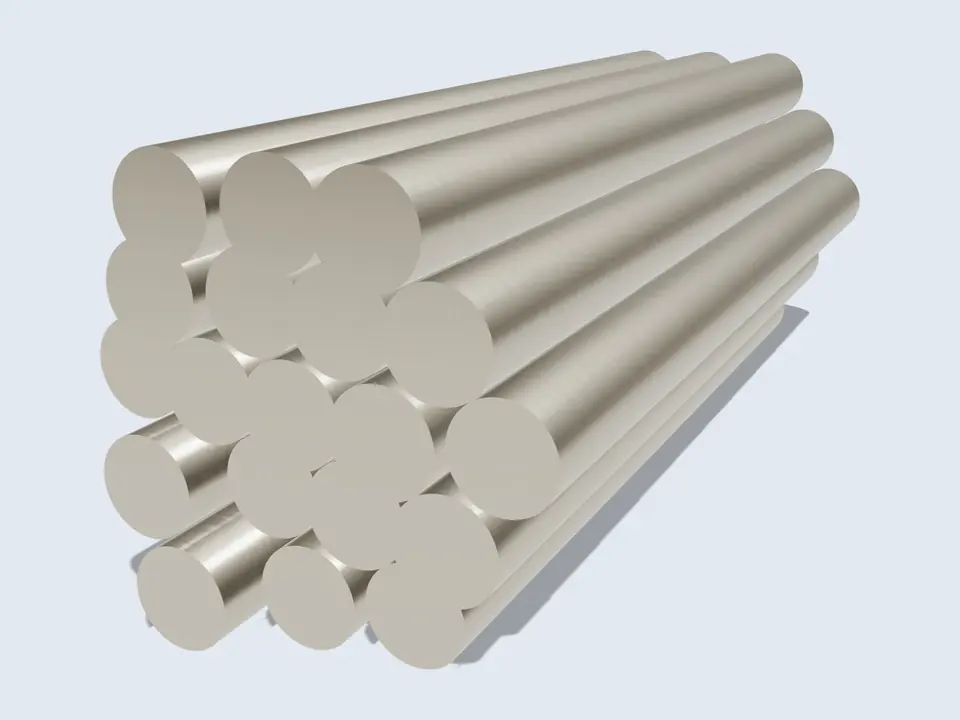
Monel
Monel 400 (UNS N04400) is a nickel-copper alloy, about 63 % nickel minimum and 28–34 % copper, used for seawater, brine,…
View details →
Duplex & Super Duplex Steel
Duplex 2205 is a stainless steel of roughly half ferrite and half austenite with 22 % chromium, 5–6 % nickel, about 3 %…
View details →
SS 316L
SS 316L (UNS S31603) is 316 stainless steel with carbon held to 0.030% maximum.
View details →
SS 316
SS 316 (UNS S31600) is an austenitic stainless steel containing 2–3% molybdenum, which gives it much better resistance to pitting…
View details →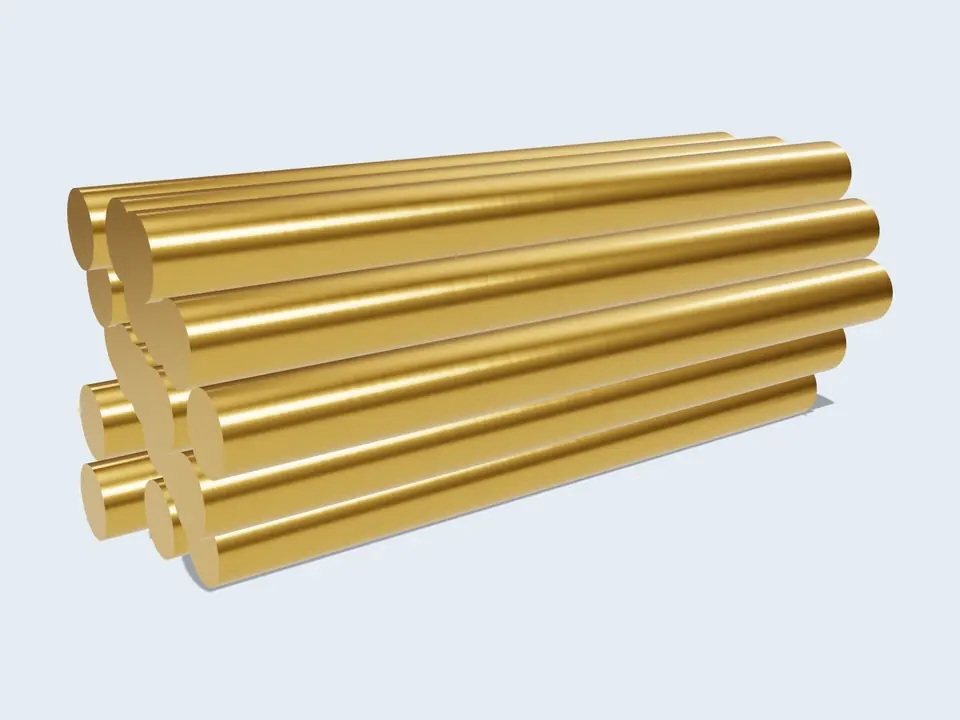
Phosphor Bronze
Phosphor bronze is copper alloyed with tin, typically 4–9 %, and a small phosphorus addition of 0.03–0.35 %.
View details →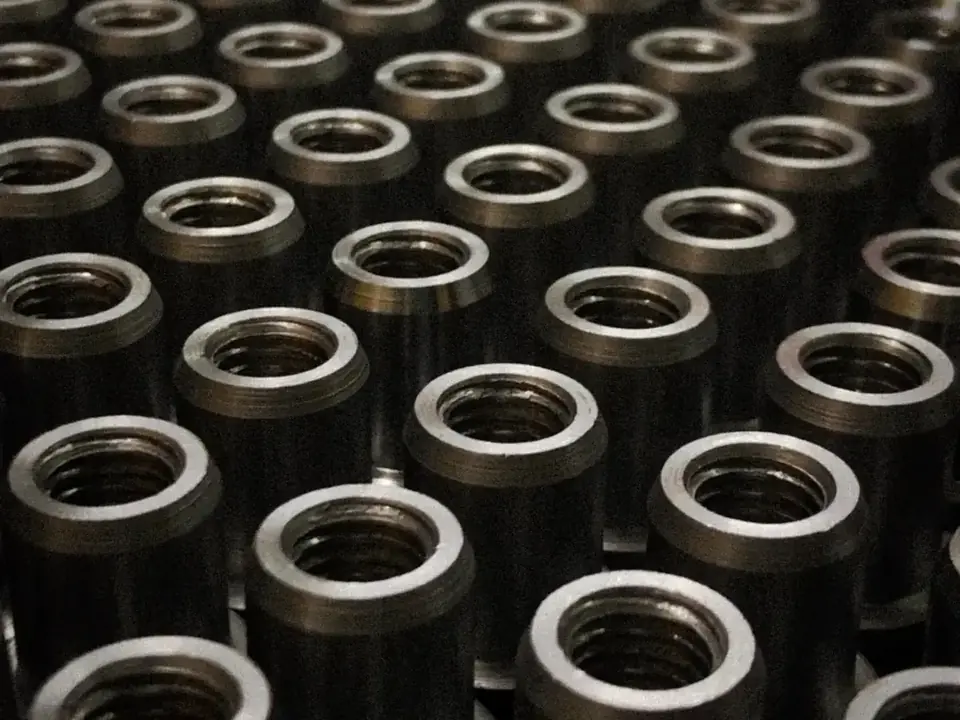
Gun Metal
Gun metal is a cast copper alloy of roughly 85 % copper with 5 % each of tin, lead and zinc, called LG2 in BS 1400 and C83600 in…
View details →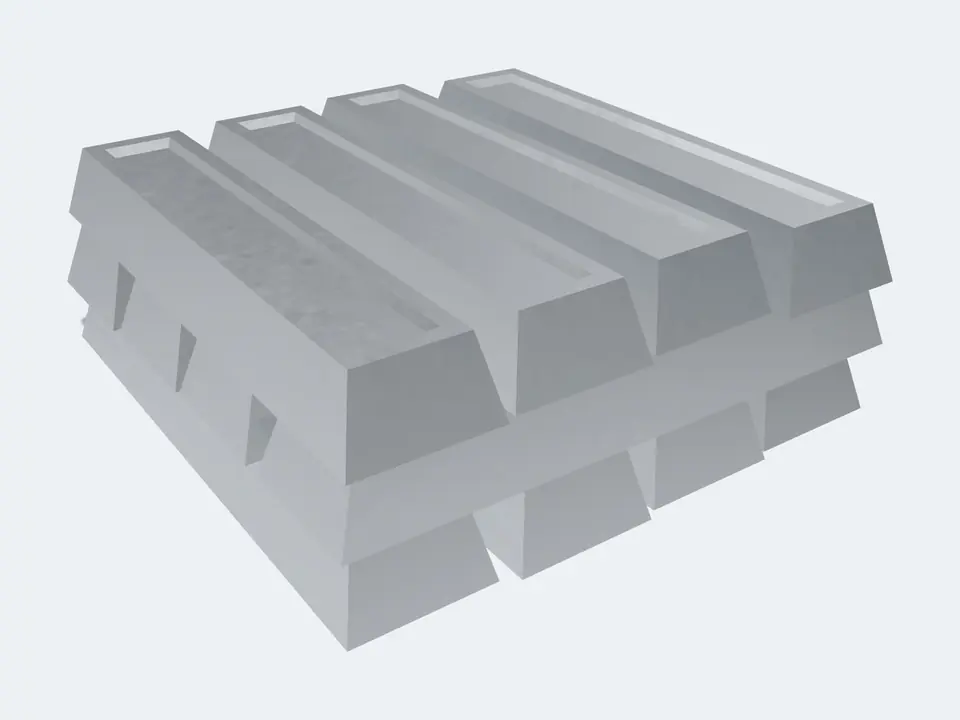
Zinc Ingots
Zinc ingots are cast slabs of refined zinc graded by purity.
View details →
MS Plates, Flats & CRCA Sheets
Jubilant Impex is an MS plate dealer on S.P. Road, Bangalore, supplying hot-rolled mild steel plates and flats, typically to IS…
View details →Aluminium and mild steel on small craft
Workboats and fishing vessels are mostly steel, wood or FRP, with aluminium for wheelhouses, hatches and deck plate on lighter craft. For aluminium sheet and plate in marine service, give us the alloy and temper your designer has specified, and we will confirm availability before quoting. Mild steel hull plate, angles and flats come from our mild steel range, and need paint or coating plus anodes to survive. Galvanised fasteners in a steel hull are fine; stainless fasteners in an aluminium deck need insulating sleeves.
Zinc for sacrificial anodes
Zinc anodes bolted to hulls, rudders and heat exchangers corrode in place of the steel or bronze around them. Anode casters use zinc ingot as their base metal and alloy it to the anode specification, since pure zinc can form a passive film and stop protecting. We supply zinc ingots to casters; finished anodes are a separate product.
Inspect anodes at every haul-out. Once an anode is about half consumed, replace it; a fully wasted anode protects nothing, and the next metal in line starts to corrode instead.
Mixing metals: the galvanic rule
When two metals touch in seawater, the more noble one (Monel, stainless, bronze) is protected and the less noble one (steel, aluminium, zinc) corrodes faster. Keep the less noble part large and the noble part small, never the reverse. A stainless bolt in an aluminium plate is acceptable; an aluminium rivet in a stainless sheet will not last. Insulating washers and sleeves help where mixing is unavoidable.
Fishing boat builders at Mangaluru and Malpe, ship repair yards along the Karnataka coast and offshore fabricators all run into this. Send us the drawing and we will flag mismatched pairs.
Questions about Marine & Offshore
Still unsure? Call 080-41159995 or WhatsApp +91 98441 25506 and we will answer from the trade desk.
What is the difference between 304 and 316 for marine use?
316 contains 2–3% molybdenum that 304 lacks, and that addition sharply improves resistance to chloride pitting from salt spray and seawater. On a boat, 304 fittings tend to show brown tea staining and pits within months, while 316 stays bright much longer with basic rinsing. For anything exposed to sea air, 316 is the minimum.
Why is Monel used in marine applications?
Monel 400 is a nickel-copper alloy that resists flowing seawater, brackish water and salt spray with very low corrosion rates, and it keeps good strength and toughness. That makes it suitable for propeller and pump shafts, valve trim, fasteners and heat exchanger tubes. It performs less well in stagnant seawater, where pitting can occur.
What is galvanic corrosion on boats?
Galvanic corrosion happens when two different metals are electrically connected in seawater. The less noble metal becomes an anode and corrodes faster, while the more noble one is protected. On boats it typically attacks aluminium, steel or zinc parts near stainless or bronze fittings. Sacrificial zinc anodes are fitted to take this attack deliberately.
Is duplex stainless steel good for seawater?
Yes. Duplex 2205 has a PREN of around 35, giving much better resistance to chloride pitting, crevice corrosion and stress corrosion cracking than 316L. It is widely used for seawater piping, firewater systems and offshore structures. Super duplex grades are chosen for warmer or more aggressive seawater duty.
Which bronze is used for marine bushes?
Phosphor bronze and leaded gun metal are the usual choices for stern tube, rudder and pump bushes. Phosphor bronze has higher strength and wear resistance; gun metal casts easily, machines well and tolerates some misalignment. The right one depends on load, speed and lubrication, which is usually set by the original equipment design.
Other industries and guides
304 vs 316 Stainless Steel
The main difference between 304 and 316 stainless steel is molybdenum.
View details →
Oil & Gas
Most oil and gas piping is carbon steel, usually ASTM A106 Grade B seamless for process lines and A53 Grade B for utilities.
View details →Oil & Gas
Most oil and gas piping is carbon steel, usually ASTM A106 Grade B seamless for process lines and A53 Grade B for utilities.
View details →
Power Plants & IBR Boilers
IBR boiler tubes and pipes are steel products made and tested to the Indian Boiler Regulations so they can be used in boilers and…
View details →
Chemical & Process Plants
In chemical plants the metal is chosen by the fluid it handles.
View details →
Pharmaceutical
Pharmaceutical grade stainless steel is normally 316L for product-contact parts and purified water or WFI systems, and 304 for…
View details →Supplying a marine & offshore project? Send the BOQ.
Send the material, grade, size and quantity. We confirm availability and price, with the test certificate details.