
- Home
- All Products
- Electroplating Anodes
- Flat Nickel Anodes
Flat Nickel Anodes for Plating Tanks
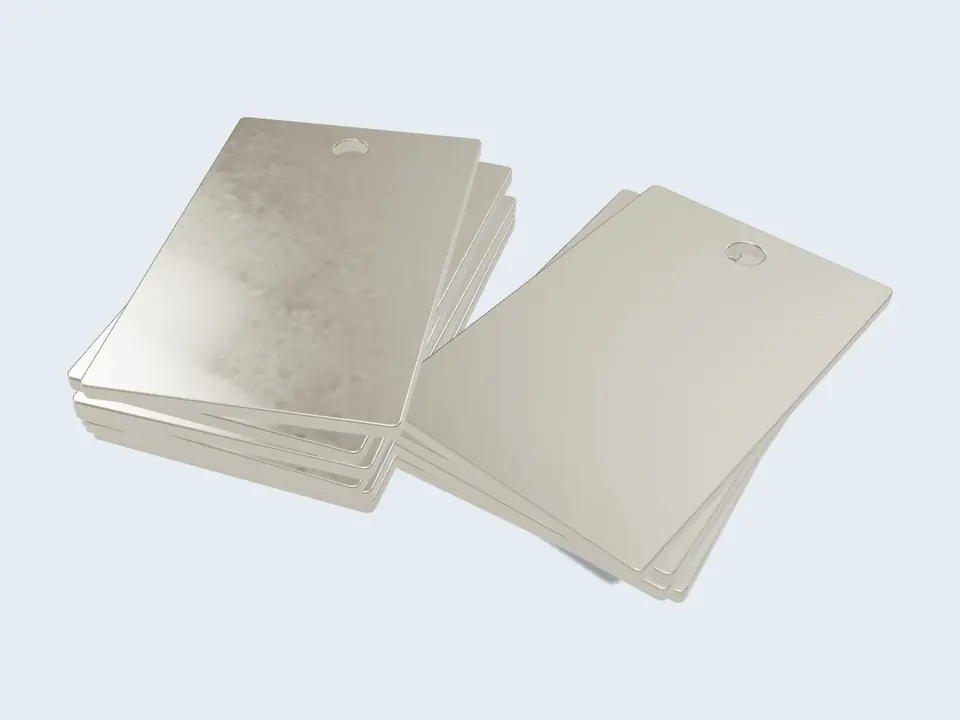
A flat nickel anode is a rectangular slab or plate of refined nickel, usually 99.9 percent nickel or higher, hung on a hook in a nickel plating bath to supply nickel and carry current. Flats suit narrow tanks and flat work. Jubilant Impex supplies flat nickel anodes in Bangalore, with sizes confirmed at enquiry and a test certificate.
Flat Nickel Anodes specifications
Typical values
| Density (nickel) | 8.9 g/cm³ |
|---|---|
| Melting point (nickel) | 1455 °C |
| Electrochemical equivalent (Ni²⁺) | 1.095 g per ampere-hour |
| Atomic weight | 58.69 |
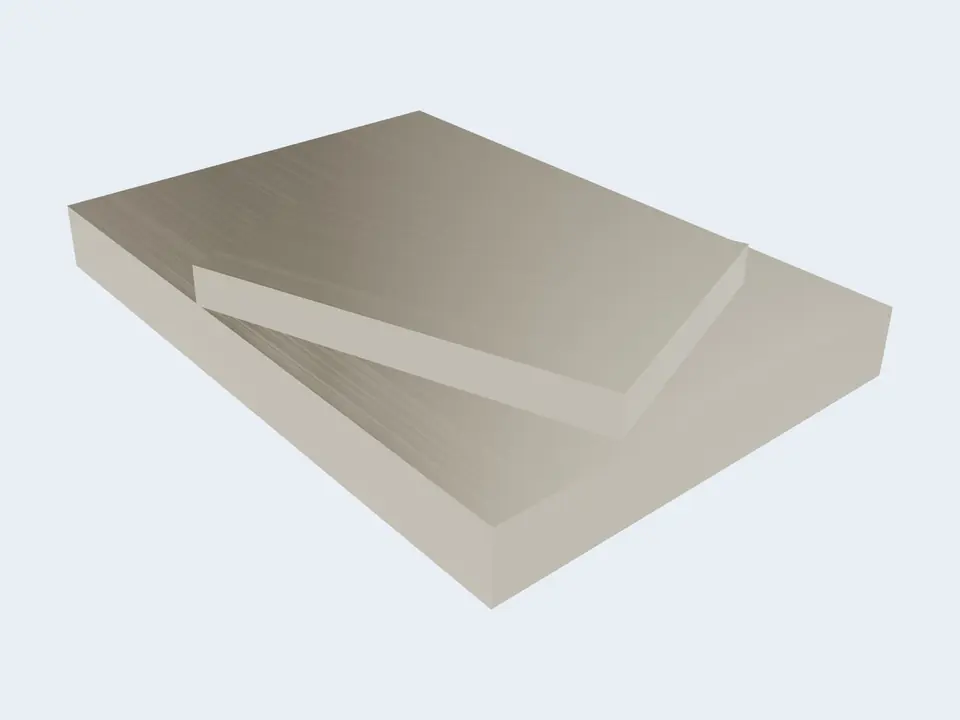
Enquire about Flat Nickel Anodes
Tell us grade, size, quantity and delivery location. Every consignment ships with a test certificate.
Request a quoteWhatsApp +91 98441 25506Or call 080-41159995
How Flat Nickel Anodes measures up
View as table
| Metal | Density |
|---|---|
| Aluminium | 2.70 g/cm³ |
| Antimony | 6.68 g/cm³ |
| Zinc | 7.14 g/cm³ |
| Tin | 7.29 g/cm³ |
| Duplex 2205 | 7.80 g/cm³ |
| Carbon & mild steel | 7.85 g/cm³ |
| Stainless 304 | 7.93 g/cm³ |
| Incoloy 825 | 8.14 g/cm³ |
| Inconel 625 | 8.44 g/cm³ |
| Brass 70/30 | 8.53 g/cm³ |
| Gun metal | 8.72 g/cm³ |
| Monel 400 | 8.80 g/cm³ |
| Phosphor bronze | 8.86 g/cm³ |
| Hastelloy C276 | 8.89 g/cm³ |
| Nickel | 8.90 g/cm³ |
| Copper | 8.94 g/cm³ |
| Lead | 11.34 g/cm³ |
Flat anodes are the simplest form a plating shop can buy. A slab of nickel, a hole or slot near the top for the hook, a bag around it, and it is ready to hang. There is no basket to load and nothing to assemble, which is why many small and mid-sized platers in and around Bangalore keep using them.
That simplicity hides a few decisions worth getting right: the type of nickel, the size relative to the work, and how you will hang and bag it. This page goes through each.
Electrolytic or depolarised nickel?
Nickel anodes differ in how readily they dissolve, and that is set by how the nickel was made. Electrolytic nickel is refined by electrowinning or electrorefining and is very pure, but in its plain form it can be slow to dissolve and, in low-chloride baths, may turn passive. Passive anodes stop releasing nickel, the voltage climbs, and nickel content in the bath drifts down.
Depolarised nickel contains a small, controlled amount of nickel oxide. It dissolves at lower potential and stays active where plain nickel would go passive, which is why rolled depolarised anodes have long been popular for bar-type anodes in Watts and bright nickel baths. A third type, sulphur-activated nickel, is mainly used as rounds or pellets in titanium baskets rather than as flats.
When you enquire, tell us your bath type and chloride level, and whether your current anodes are electrolytic or depolarised. Staying with what the bath is already tuned for is usually the safer choice.
Sizing flats to the tank and the work
Width, thickness and length are the three numbers. Length should keep the bottom of the anode a little above the lowest point of the work, so that the bottom edge of the parts does not get excess current. Width is chosen so that the anodes, hung side by side with a small gap, give enough total surface.
Most bright nickel processes are run with an anode area that matches or exceeds the cathode area, often in a range of about 1:1 to 2:1 anode to cathode. Too little anode area pushes up anode current density, which encourages passivity. Thickness decides how long the anode lasts before it needs replacing.
If you send us the tank length, solution depth and current, we can work out sizes with you.
| Type | How it differs | Typical form |
|---|---|---|
| Electrolytic nickel | Very high purity; may dissolve unevenly or go passive in low-chloride baths | Cut plates, squares, rounds |
| Depolarised nickel | Contains a small amount of nickel oxide; dissolves at lower potential and stays active | Rolled flats and ovals |
| Sulphur-activated nickel | Small sulphur addition; dissolves at low voltage even with less chloride | Rounds and pellets for titanium baskets |
How long will a flat nickel anode last?
Nickel dissolves at about 1.095 grams per ampere-hour. Divide the weight of nickel in your anodes by that figure and by your average current to get a rough life in hours. A set of flats weighing 40 kg in a tank drawing 200 amperes would, at full efficiency, last roughly 180 hours of plating time, less if you replace anodes before they are fully used.
Flats tend to dissolve faster along the edges and at the bottom, where current concentrates. Turn or swap anodes during maintenance, and replace them once they become too thin to hold their shape on the hook.
Hooks, bags and installation
Use titanium hooks, which resist the bath and do not dissolve, and make sure the hook seats fully on a clean anode bar. A poor contact heats up and wastes power. Fit each anode in a polypropylene anode bag that is a little longer than the anode, tied above the solution level, so particles cannot escape over the top.
New anodes should be degreased and given a light acid dip before going into the bath. Some platers also dummy-plate at low current for a while after installing a fresh set. The oval nickel anodes page covers the elliptical alternative if flats are not giving you even dissolution.
- Degrease and acid dip new anodes before use.
- Bag every anode; tie bags above solution level.
- Check hook contact and clean the anode bar regularly.
- Keep anode area at least equal to cathode area.
What appears on the test certificate
A test certificate for nickel anodes should show nickel content and the impurities that matter to a plater: copper, iron, zinc, lead, and sulphur and carbon where relevant. Jubilant Impex supplies anodes with a test certificate through a Government-recognised test house on request. More on the wider anode range is on the electroplating anodes page.
Questions about Flat Nickel Anodes
Still unsure? Call 080-41159995 or WhatsApp +91 98441 25506 and we will answer from the trade desk.
What is a depolarised nickel anode?
A depolarised nickel anode contains a small, controlled amount of nickel oxide distributed through the metal. This lets it dissolve at a lower potential and remain active in conditions where plain electrolytic nickel can turn passive. Depolarised nickel is traditionally rolled into flat and oval bar anodes for Watts and bright nickel baths.
What is anode passivity in nickel plating?
Passivity is when the anode surface forms a film that stops it dissolving. Nickel content in the bath then falls, tank voltage rises, and oxygen or chlorine may be released at the anode. It is usually caused by too little anode area, too high current density, low chloride content, or the wrong type of nickel anode.
Why do nickel anodes turn black or brown?
A dark brown or black film on nickel anodes usually signals passivity or a very high anode current density, often combined with low chloride in the bath. Check the anode-to-cathode area ratio, the chloride concentration and the hook contacts. A light greenish film on depolarised anodes during normal operation is expected.
What anode to cathode ratio is used in nickel plating?
Most bright and Watts nickel processes run with an anode area equal to or greater than the cathode area, commonly between about 1:1 and 2:1. Enough anode area keeps the anode current density low, which helps the nickel dissolve evenly and avoids passivity. Follow your chemical supplier's recommendation for your specific process.
Should new nickel anodes be cleaned before use?
Yes. Degrease new anodes to remove oil and handling marks, rinse, and give them a short dip in dilute acid before bagging and installing them. This removes surface films that can delay even dissolution and keeps contaminants out of the bath. Some platers also run a short dummy-plating cycle after fitting a new set.
Keep exploring
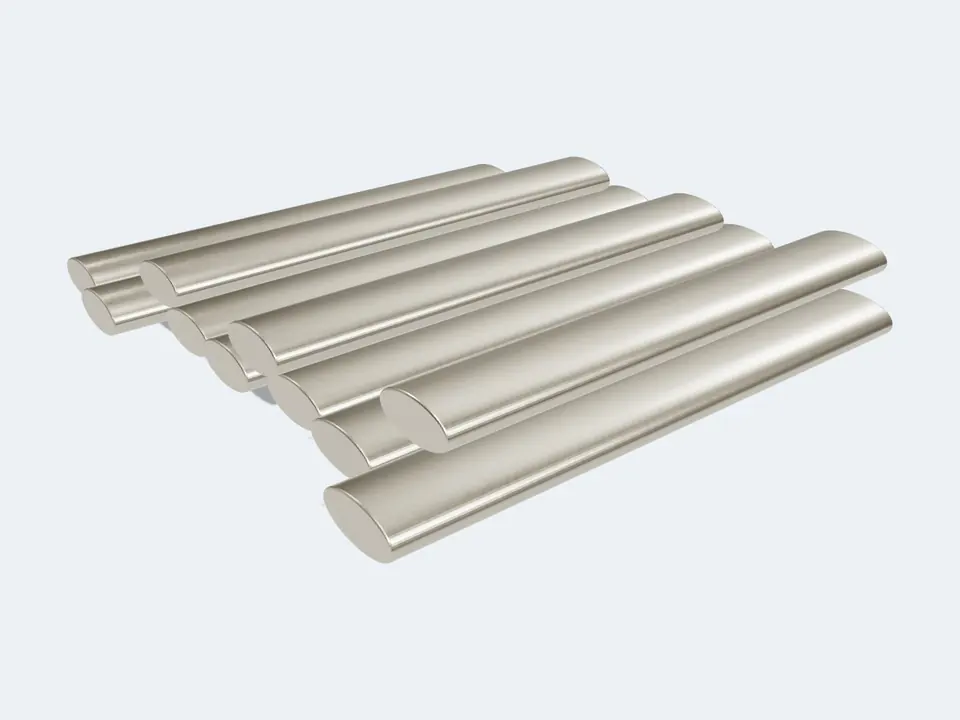
Electroplating Anodes
Nickel anodes are the soluble electrodes that replace the nickel deposited on parts in a nickel plating bath.
View details →Oval Nickel Anodes
An oval nickel anode is an elliptical bar of refined nickel, hung on a hook inside an anode bag, used as the soluble anode in…
View details →Electroplating & Surface Finishing
Electroplating materials are the metals a plating line consumes or conducts through: nickel anodes for nickel baths, lead-tin or…
View details →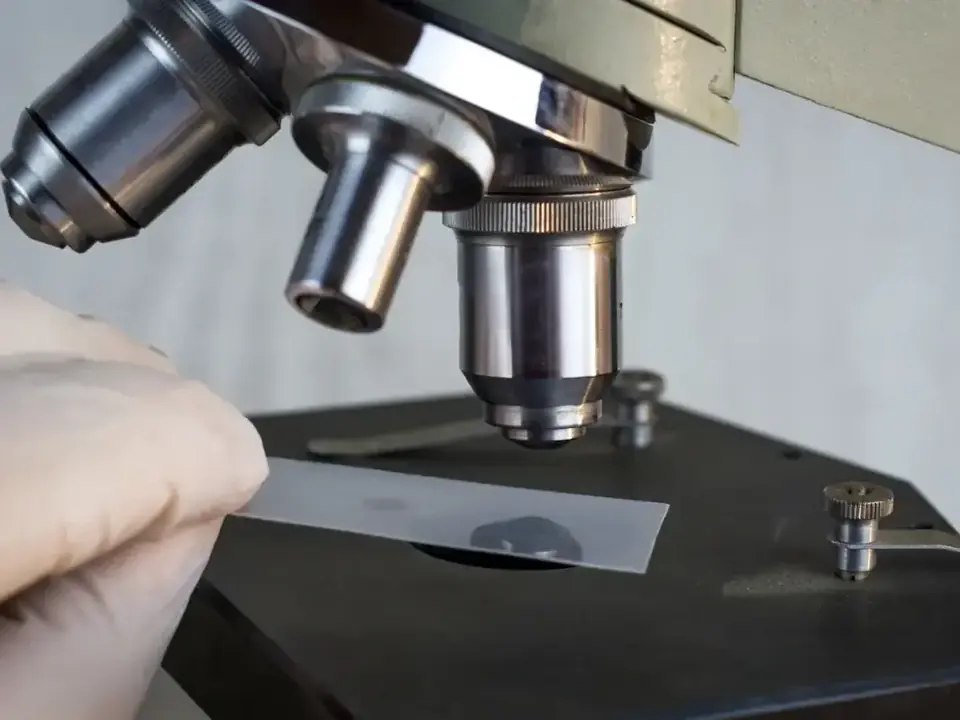
How to Read a Mill Test Certificate
To read a mill test certificate, first match the heat number on the certificate to the marking on the material.
View details →Quality & Test Certificates
Jubilant Impex supplies metals with a test certificate in Bangalore through a Government-recognised test house, so chemical and…
View details →
Request a Quote
To request a quote for stainless steel pipes or any metal from Jubilant Impex in Bangalore, send the material, grade, standard,…
View details →Need Flat Nickel Anodes with a test certificate?
Send the material, grade, size and quantity. We confirm availability and price, with the test certificate details.