
- Home
- All Products
- Alloy Steel & Carbon Steel Pipes
Alloy Steel and Carbon Steel Pipes, Tubes and Fittings with IBR
Jubilant Impex in Bangalore supplies alloy and carbon steel pipes and tubes to ASTM A335 P11 and P22, A106 Grade B, A53 Grade B, ASME SA-179 and BS 3059, in seamless and ERW, with IBR documentation where the line needs it. Matching BW, SW, screwed and compression fittings are supplied with them.
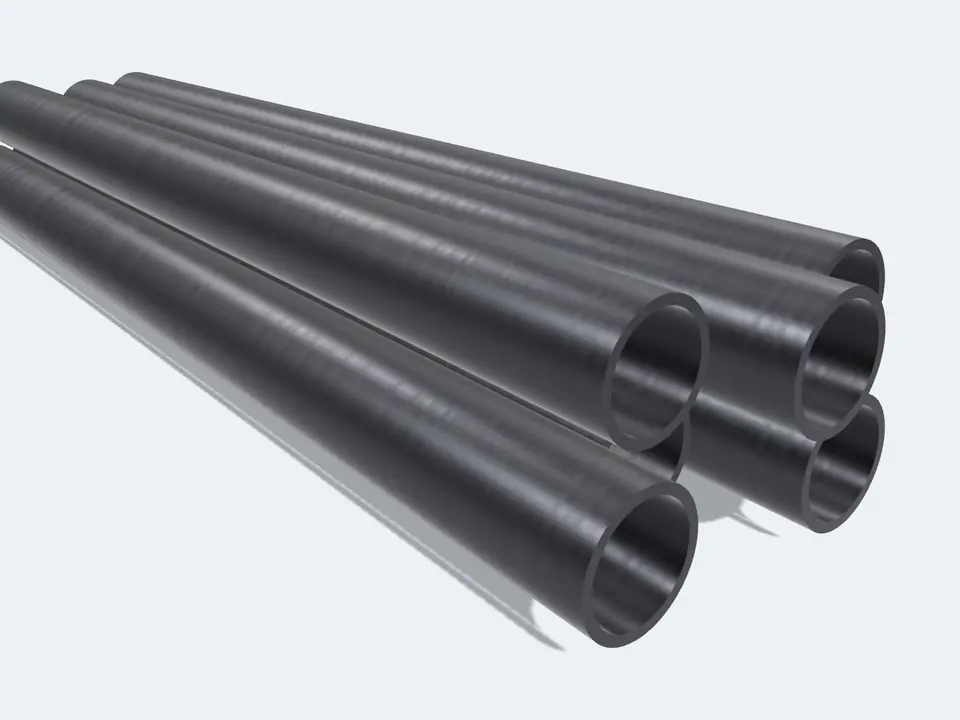
Alloy Steel & Carbon Steel Pipes: grades and products
ASTM A335 Alloy Steel Pipes
ASTM A335 covers seamless ferritic alloy steel pipe for high-temperature service.
View details →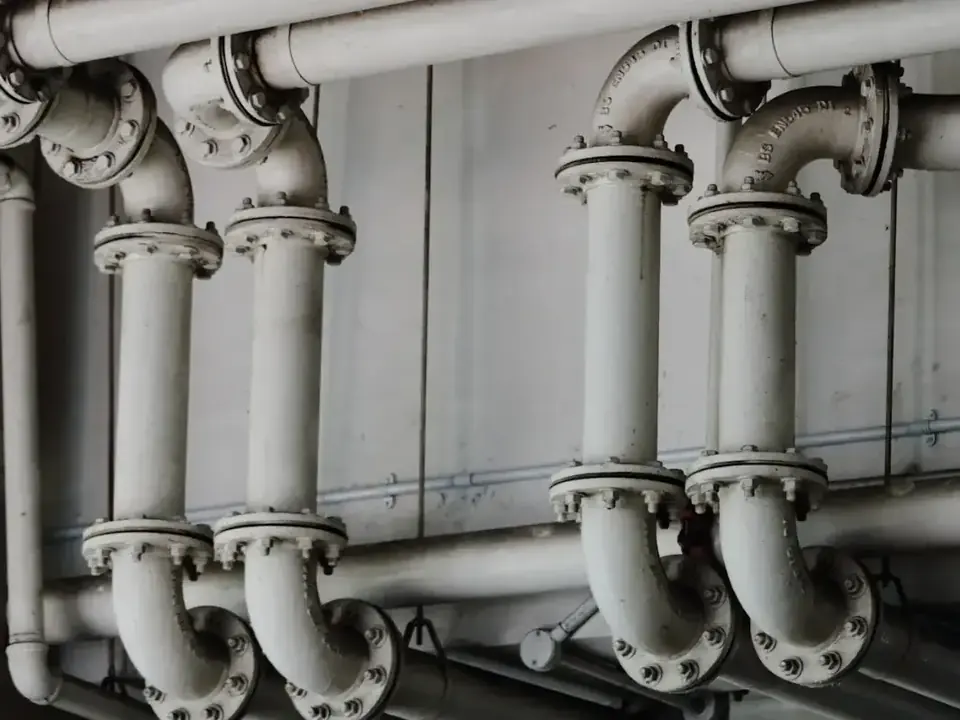
ASTM A106 Grade B Pipe
ASTM A106 Grade B is a seamless carbon steel pipe for high-temperature service, with 0.30% maximum carbon, 0.10% minimum silicon,…
View details →ASTM A53 Grade B Pipe
ASTM A53 Grade B is a carbon steel pipe made seamless (Type S) or electric-resistance welded (Type E), supplied black or hot-dip…
View details →
ASME SA-179 Heat Exchanger Tubes
ASME SA-179 covers seamless cold-drawn low-carbon steel tubes, 1/8 to 3 inch OD, for tubular heat exchangers, condensers and…
View details →
BS 3059 Boiler Tubes (Part I & II)
BS 3059 is the British Standard for steel boiler and superheater tubes.
View details →Hydraulic, Boiler (IBR) & Square Pipes
Jubilant Impex in Bangalore supplies seamless and ERW boiler pipes and tubes with IBR certification, cold-drawn hydraulic tubes…
View details →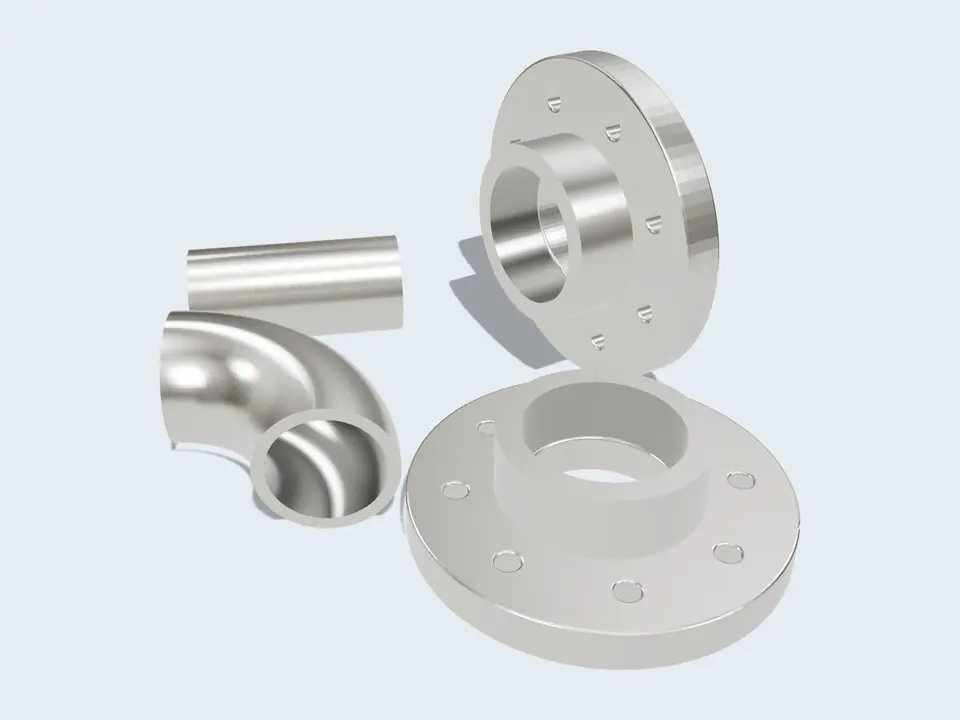
Carbon & Alloy Steel Pipe Fittings
Jubilant Impex supplies carbon steel, alloy steel and stainless steel pipe fittings in Bangalore: butt-weld fittings, forged…
View details →Alloy Steel & Carbon Steel Pipes by the numbers
View as table
| Grade | Tensile, min |
|---|---|
| ASTM A335 P11 Pipe | 415 MPa min |
| ASTM A335 P22 Pipe | 415 MPa min |
| ASTM A106 Grade B Pipe | 415 MPa min |
| ASTM A53 Grade B Pipe | 415 MPa min |
| ASME SA-179 Heat Exchanger Tubes | 325 MPa min |
| BS 3059 Boiler Tubes (Part I & II) | 480 MPa min |
- Fe (balance)
- Cr
- Mn
- Mo
- Si
- Other
View as table
| Grade | Cr | Mn | Mo | Si |
|---|---|---|---|---|
| ASTM A335 P11 Pipe | 1.2 | 0.4 | 0.5 | 0.8 |
| ASTM A335 P22 Pipe | 2.2 | 0.4 | 1.0 | 0.0 |
| ASME SA-179 Heat Exchanger Tubes | 0.0 | 0.5 | 0.0 | 0.0 |
| BS 3059 Boiler Tubes (Part I & II) | 0.0 | 0.5 | 0.0 | 0.0 |
Most enquiries arrive as a line from a drawing or a BOQ: a specification, a grade, a size and a schedule.
Our product sheet says it plainly: highly specialised for pipe and pipe fittings. This section covers the carbon and chrome-moly steel side of that work, the material that carries steam, hot water, oil and hydraulic fluid in boiler houses, sugar mills and process plants across Karnataka.
Most enquiries arrive as a line from a drawing or a BOQ: a specification, a grade, a size and a schedule. Below is a quick way to check that the spec on your drawing suits the service, and what we need from you to quote it correctly. Buyers looking for an IBR pipe supplier in Bangalore usually need the fittings and the paperwork sorted at the same time, so we handle all three together.
Which pipe specification suits which service?
Start with temperature. Ordinary water, air and low-pressure utility lines are usually fine in ASTM A53 Grade B, black or galvanised. Once the line runs hot, or the design code calls for seamless pipe, engineers move to A106 Grade B, which is a seamless-only specification written for high-temperature service.
Above the range where plain carbon steel is comfortable, the drawing will usually call for chromium-molybdenum pipe from the ASTM A335 family. P11 (1¼Cr-½Mo) and P22 (2¼Cr-1Mo) are the two grades we handle. Small-bore tube for heat exchangers, condensers and boiler banks is a separate world with its own specifications, SA-179 and BS 3059 among them.
What makes a pipe "IBR"?
IBR refers to the Indian Boiler Regulations, 1950. Any pipe that forms part of a boiler or a steam pipe as defined in the boiler law must be made, tested and certified the way the Regulations require. In practice that means the pipe comes from a maker recognised by the Central Boilers Board, or is inspected by a recognised Inspecting Authority, and arrives with the prescribed certificate (Form III-A for pipes, Form III-B for tubes).
The specification and the IBR status are two separate things. An A106 Grade B pipe can be IBR certified or not; the steel is the same, the paperwork and inspection trail are not. If your line falls under a State Boiler Inspectorate, say so at enquiry. Our guide to IBR pipe goes through the rules in more detail.
| Specification | Material | Make | Typical service |
|---|---|---|---|
| ASTM A335 P11 | 1¼Cr-½Mo alloy steel | Seamless | Steam lines and headers at elevated temperature |
| ASTM A335 P22 | 2¼Cr-1Mo alloy steel | Seamless | Hotter steam and process lines than P11 |
| ASTM A106 Gr B | Carbon steel, killed | Seamless | High-temperature carbon steel piping |
| ASTM A53 Gr B | Carbon steel | Seamless or ERW | Water, air, gas and general pressure lines |
| ASME SA-179 | Low-carbon steel | Seamless, cold drawn | Heat exchanger and condenser tubes |
| BS 3059 Part I / II | Carbon, alloy, stainless | Seamless or ERW | Boiler and superheater tubes |
Tubes, square pipes and fittings in the same order
Alongside round pipe we supply seamless and ERW hydraulic and boiler tubes, square pipes for frames and supports, and fittings in carbon steel, alloy steel and stainless steel. Fittings come as butt-weld, socket-weld, screwed and forged, plus compression type with ferrules for instrument and hydraulic lines. Buying the pipe and the fittings from one place keeps the material grades matched, which saves trouble at inspection.
What to put in your enquiry
A clear enquiry gets a clear quote. Every lot is supplied with a test certificate, and testing can be arranged through a Government-recognised test house where your client asks for it.
- Specification and grade, for example ASTM A335 P11
- Size as NPS or OD, plus schedule or wall thickness
- Seamless or ERW, and end finish (plain or bevelled)
- Quantity in metres or number of lengths
- Whether IBR certification or third-party inspection is required
Forms we supply
Questions about Alloy Steel & Carbon Steel Pipes
Still unsure? Call 080-41159995 or WhatsApp +91 98441 25506 and we will answer from the trade desk.
What is the difference between alloy steel pipe and carbon steel pipe?
Carbon steel pipe gets its strength mainly from carbon and manganese. Alloy steel pipe such as A335 P11 or P22 adds chromium and molybdenum, which hold strength and resist creep and oxidation at higher temperatures. Alloy pipe needs controlled heat treatment and more care during welding, so it costs more and is used only where the temperature justifies it.
Which pipe is used for steam lines in India?
It depends on pressure and temperature. Moderate steam lines are commonly built in A106 Grade B seamless carbon steel. Hotter main steam and superheater piping moves to chrome-moly grades such as A335 P11 or P22. If the line meets the boiler law's definition of a steam pipe, the pipe must also carry IBR certification and be accepted by the State Boiler Inspectorate.
What is the difference between a pipe and a tube?
Pipe is ordered by nominal pipe size and schedule, and its job is to carry fluid, so the bore matters most. Tube is ordered by actual outside diameter and wall thickness, and is used where exact OD matters, such as heat exchanger bundles, boiler banks and hydraulic lines that use compression fittings.
Do you supply pipes with IBR certificates?
Yes, IBR pipes and tubes can be supplied with the certificates required under the Indian Boiler Regulations. Tell us at enquiry that the material is for an IBR line, since the certificate depends on the mill and the inspection route and cannot be added after the material has been made.
Is ERW pipe as strong as seamless pipe?
For the same grade, ERW pipe meets the same minimum tensile and yield values as seamless, and modern ERW is tested along its weld. Seamless is still specified for high-temperature, high-pressure and cyclic service, and some codes and clients require it outright. Check what your design code or Inspector accepts before substituting one for the other.
Keep exploring
ASTM A335 Alloy Steel Pipes
ASTM A335 covers seamless ferritic alloy steel pipe for high-temperature service.
View details →ASTM A106 Grade B Pipe
ASTM A106 Grade B is a seamless carbon steel pipe for high-temperature service, with 0.30% maximum carbon, 0.10% minimum silicon,…
View details →Hydraulic, Boiler (IBR) & Square Pipes
Jubilant Impex in Bangalore supplies seamless and ERW boiler pipes and tubes with IBR certification, cold-drawn hydraulic tubes…
View details →Carbon & Alloy Steel Pipe Fittings
Jubilant Impex supplies carbon steel, alloy steel and stainless steel pipe fittings in Bangalore: butt-weld fittings, forged…
View details →What Is an IBR Pipe?
An IBR pipe is a pipe manufactured, tested and certified to the Indian Boiler Regulations, 1950 for use in boilers and steam…
View details →Power Plants & IBR Boilers
IBR boiler tubes and pipes are steel products made and tested to the Indian Boiler Regulations so they can be used in boilers and…
View details →ERW vs Seamless Pipe
Seamless pipe is made by piercing a solid billet, so it has no weld.
View details →Buying alloy steel & carbon steel pipes? Send us the spec.
Send the material, grade, size and quantity. We confirm availability and price, with the test certificate details.