
- Home
- Industries We Serve
- Food, Dairy & Beverage
Food grade stainless steel and other metals for dairy, food and beverage plants
Food grade stainless steel usually means 304 for most dairy, brewery and food equipment, and 316 or 316L where salt, brine, acidic juices or strong cleaning chemicals are involved. Both are non-reactive, easy to clean and stand up to daily CIP. Jubilant Impex supplies both from Bangalore, along with copper and aluminium for related uses.
Milk is gentle on steel. Pickle brine is not. That single difference decides most material choices in a food plant, and it is why a dairy can run happily on 304 for decades while a pickle or sauce line in the same town pits through in a couple of years.
Here is how we would split a typical food, dairy or beverage plant by product.
Milk, curd, ice cream: the 304 plants
Bulk milk coolers, silos, pasteurisers, holding tubes and ice-cream freezers are mostly 304 stainless. It has 17.5–19.5% chromium and 8–10.5% nickel, does not react with milk fat or lactic acid at dairy temperatures, and handles the hot caustic and nitric acid of daily CIP well. Karnataka has a large cooperative dairy network with chilling centres spread across the districts, and most of that equipment is 304 sheet, pipe and fittings.
Where 304 runs into trouble in a dairy is chlorinated cleaning. Hypochlorite sanitisers left too long or too hot cause pitting, so plants that rely on them should move contact parts to 316L.
Salt, acid and spice: when to step up to 316
Brine tanks, cheese brining, pickles, tomato products, citrus juices, sauces and ready meals with salt all push the chloride level up. 316 or 316L adds 2–3% molybdenum, which is what resists chloride pitting. The extra cost is usually 20–30% on material and far less on the finished machine, so it is easy to justify on any line handling salt.
Brewing, distilling and soft drinks
Bangalore's breweries and microbreweries are mostly stainless in fermenters, bright tanks and pipework, generally 304. Copper still has a place: traditional brew kettles and many spirit stills use it because copper strips sulphur compounds out of the vapour and improves flavour. Our copper sheets and plates are used by fabricators for exactly this kind of work.
Soft drink and packaged water plants are 304 or 316L depending on the product, with 316L preferred for anything carbonated and acidic.
Utility lines behind the process are a different matter. Glycol chilling, compressed air and CO₂ lines in a brewery are often 304 pipe with screwed or welded fittings, while steam to the brewhouse runs in carbon steel. Separating process and utility lists on the indent keeps the expensive grade where it belongs.
What goes where
Grades and products buyers in this sector order

SS 304
SS 304 (UNS S30400) is an austenitic stainless steel with about 18% chromium and 8% nickel, which is why it is called 18/8.
View details →
SS 316L
SS 316L (UNS S31603) is 316 stainless steel with carbon held to 0.030% maximum.
View details →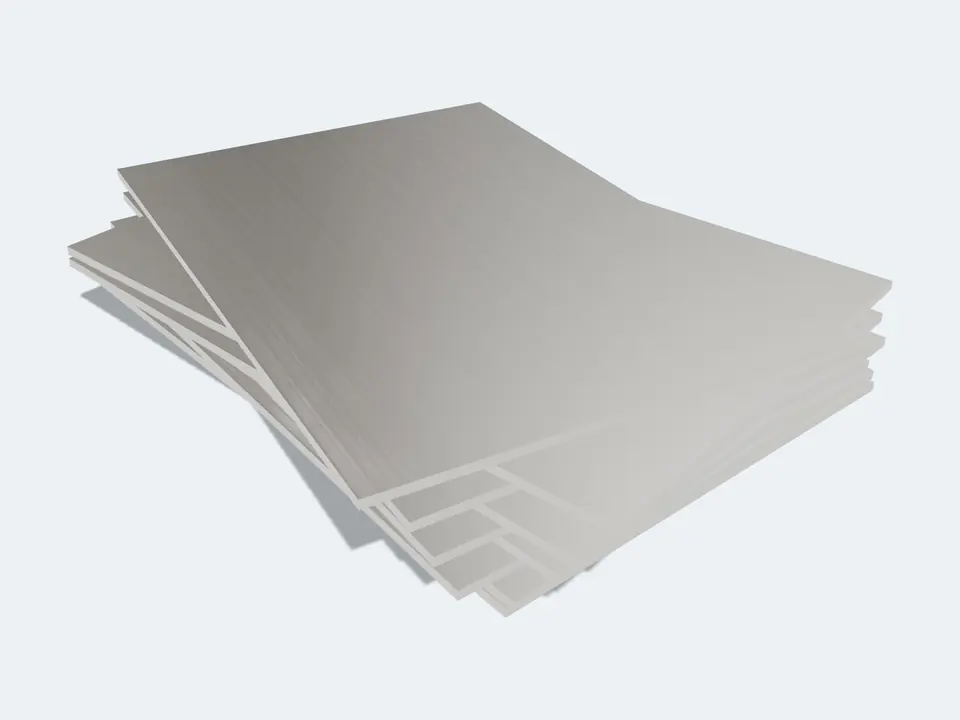
Stainless Steel Sheets, Strips, Angles & Channels
Jubilant Impex is an SS sheet dealer in Bangalore supplying stainless sheets in finishes such as 2B, BA, No. 1 and No. 4, slit…
View details →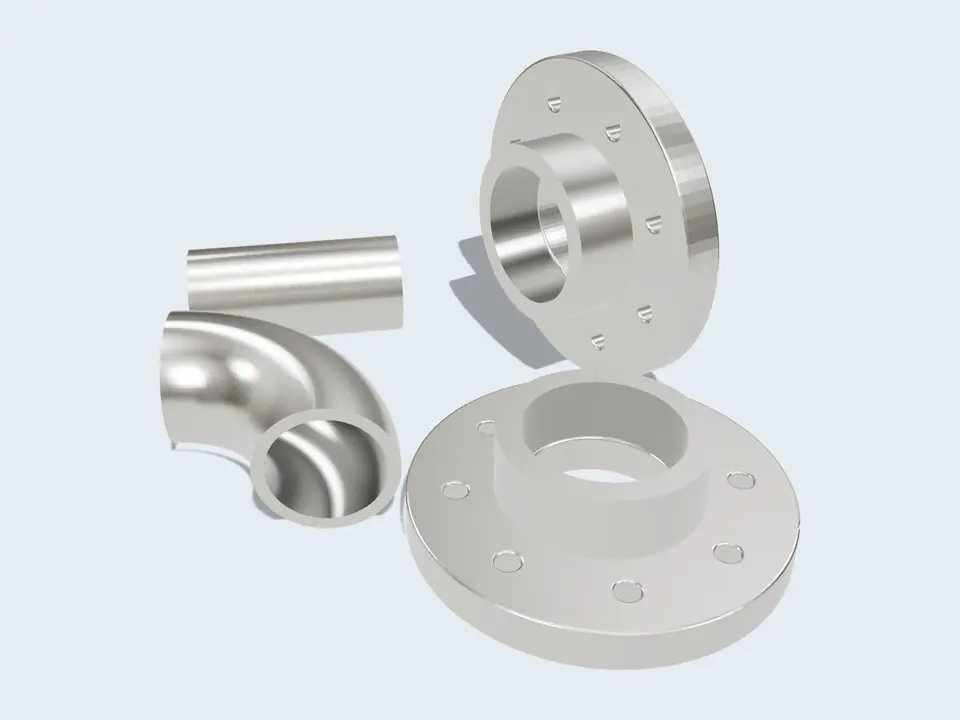
Stainless Steel Pipe Fittings & Flanges
SS pipe fittings join stainless pipe and tube by butt welding (ASME B16.9, ASTM A403), socket welding or threading (ASME B16.11,…
View details →Stainless Steel Perforated, Corrugated & Shim Sheets
Jubilant Impex in Bangalore supplies SS perforated sheet for screens, sieves, guards and filters, corrugated stainless sheet for…
View details →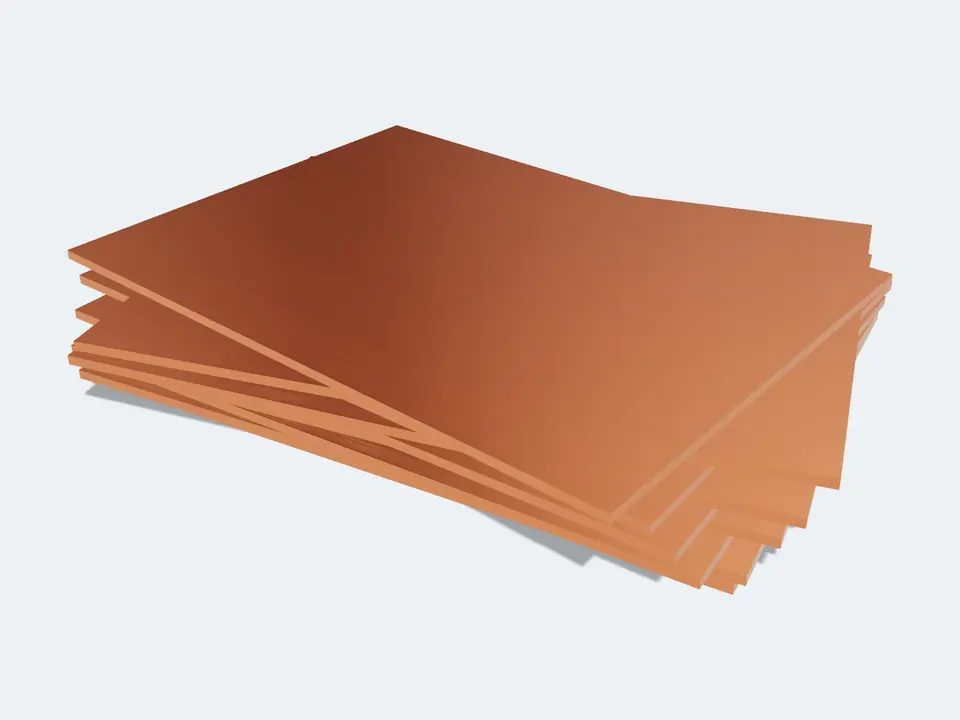
Copper Sheets, Plates & Circles
Jubilant Impex supplies copper sheet in Bangalore along with plates, strips and cut circles, in E.C. grade and commercial quality…
View details →
Aluminium Foils
Industrial aluminium foil is rolled aluminium thinner than about 0.15 mm, sold in coils or rolls by alloy, temper, thickness in…
View details →Coffee, spices and dry foods
Coffee curing works and spice processors in Kodagu, Chikkamagaluru and Hassan handle a dry product, so corrosion is lower. Stainless perforated sheet is used for sieves and graders, 304 sheet for hoppers and chutes, and stainless bar for shafts and screw conveyors. Aluminium sheet and chequered plate turn up on platforms and covers.
Roasters and dryers add heat to the picture. Drum and tray parts that run hot for long hours stay flat and scale-free in 304 or 321 sheet, where mild steel would warp and rust between seasons. Pin the grade down on the drawing so the fabricator does not substitute.
Small parts that cause big trouble
Contamination complaints often trace back to a part nobody thought about: a mild steel bracket inside a hood, a brass fitting in a line carrying acidic juice, a galvanised cover dripping condensate into an open tank. When you list stainless for the main equipment, list it for the fasteners, clamps and brackets that sit above the product too.
Is it really food grade?
'Food grade' is not a grade on a certificate. What makes stainless steel suitable for food is its chemistry and surface. Ask for the grade (304, 316, 316L) to be confirmed by a test certificate, and specify the finish your equipment needs. A 2B sheet finish suits most tanks; polished finishes are done by the fabricator. Our 304 vs 316 comparison has the full chemistry side by side.
Questions about Food, Dairy & Beverage
Still unsure? Call 080-41159995 or WhatsApp +91 98441 25506 and we will answer from the trade desk.
Which stainless steel grade is food grade?
304 and 316 are the two grades most widely accepted for food contact, with their low-carbon versions 304L and 316L for welded equipment. 304 suits most dairy, bakery and beverage equipment. 316 is used where salt, acids or chlorinated cleaners are present. Some 400-series grades are also used for cutlery and blades.
Is 304 stainless steel safe for food?
Yes. 304 stainless steel is non-reactive with most foods, does not leach meaningful amounts of metal under normal conditions and is easy to clean and sanitise. It is the most common material for dairy tanks, kitchen equipment and beverage plants. For salty or highly acidic foods, 316 lasts longer.
Why do dairy plants use stainless steel instead of aluminium?
Aluminium is attacked by the caustic soda used in daily cleaning-in-place, and by acidic products over time. Stainless steel resists both, holds a hygienic surface finish and can be welded into crevice-free tanks and pipework. Aluminium was used for milk cans in the past but has largely been replaced in processing.
Does salt corrode 304 stainless steel?
It can. Chloride from salt breaks down the passive layer on 304 locally, especially where salt water sits, dries and concentrates, or at higher temperatures. The result is pitting and, in hot service, stress corrosion cracking. Rinsing helps, but for continuous brine contact 316 or 316L is the safer grade.
Why is copper used in breweries and distilleries?
Copper conducts heat very well, which helps kettles and stills heat evenly. More importantly, copper reacts with sulphur compounds produced during fermentation and removes them from the vapour, giving a cleaner-tasting spirit or beer. That is why many stills still use copper in the neck, column or condenser even when the rest of the plant is stainless.
Other industries and guides
304 vs 316 Stainless Steel
The main difference between 304 and 316 stainless steel is molybdenum.
View details →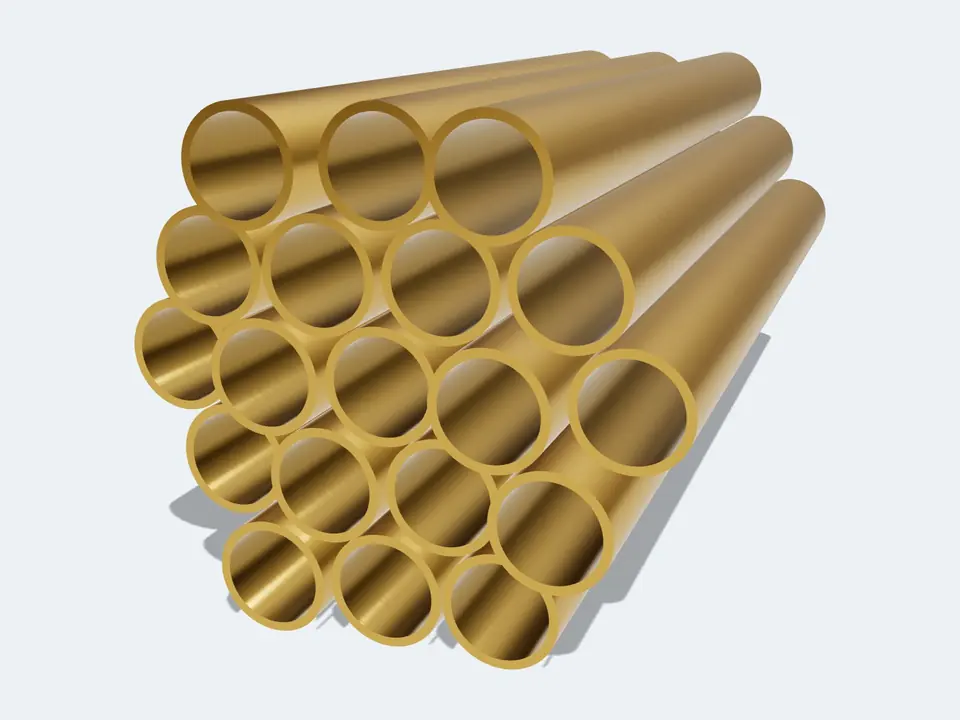
Sugar Mills & Distilleries
Sugar mill tubes are the heat-exchange tubes in juice heaters, evaporators and pans, traditionally drawn in 70/30 brass for its…
View details →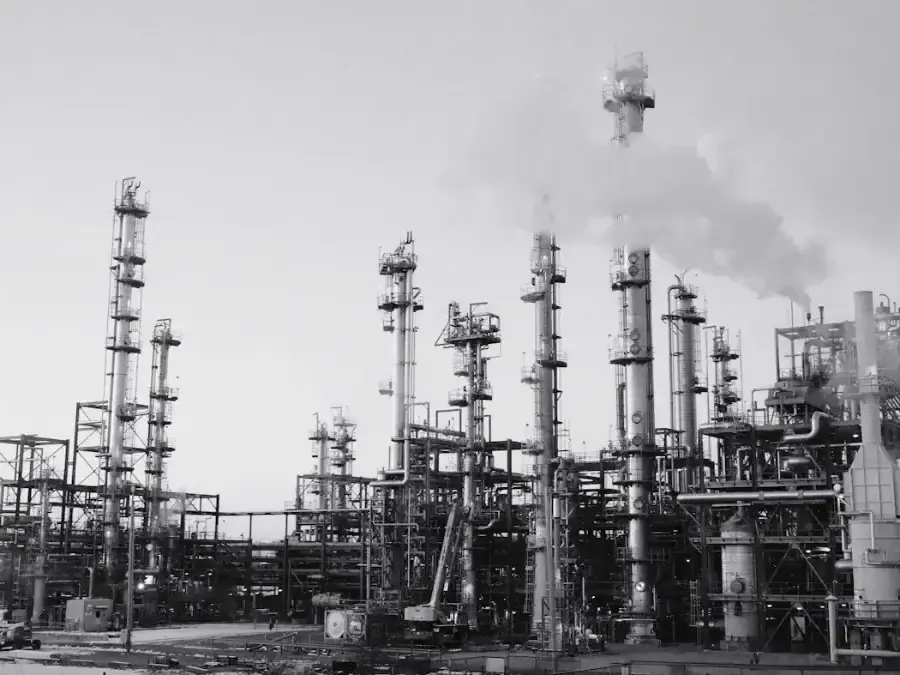
Oil & Gas
Most oil and gas piping is carbon steel, usually ASTM A106 Grade B seamless for process lines and A53 Grade B for utilities.
View details →
Power Plants & IBR Boilers
IBR boiler tubes and pipes are steel products made and tested to the Indian Boiler Regulations so they can be used in boilers and…
View details →
Chemical & Process Plants
In chemical plants the metal is chosen by the fluid it handles.
View details →Pharmaceutical
Pharmaceutical grade stainless steel is normally 316L for product-contact parts and purified water or WFI systems, and 304 for…
View details →Supplying a food, dairy & beverage project? Send the BOQ.
Send the material, grade, size and quantity. We confirm availability and price, with the test certificate details.