- Home
- Industries We Serve
- Oil & Gas
Oil and gas piping materials, matched to the service
Most oil and gas piping is carbon steel, usually ASTM A106 Grade B seamless for process lines and A53 Grade B for utilities. Hot heater and steam lines move to A335 P11 or P22 chrome-moly, while sour, chloride or seawater service calls for 316L, duplex or Monel. Jubilant Impex in Bangalore supplies all of these with matching fittings.
Walk a refinery from the tank farm to the crude heater and the pipe changes colour, wall and chemistry several times. A purchase engineer does not need to be a metallurgist to buy it correctly, but they do need to know why the line list says A106 in one place and A335 P22 in the next.
This page follows that route and shows where each of our materials fits.
Carbon steel carries most of the barrels
Crude, product, fuel gas and most hydrocarbon process lines run in carbon steel because it is strong, weldable and cheap per metre. ASTM A106 Grade B is the default here. It is seamless only and is written for high-temperature service, so it goes on process lines, pump suctions and anything hot.
ASTM A53 Grade B comes seamless or welded and is common on firewater, cooling water, instrument air and structural pipe racks. Many mills certify a single pipe to both standards, which is handy for spares, but read the certificate before you assume it.
Where carbon steel runs out of temperature
Above roughly 400 °C plain carbon steel loses creep strength and starts to graphitise over long periods. Fired heater outlets, reformer and hydrotreater lines and high-pressure steam headers therefore use chrome-moly. P11 (1¼Cr–½Mo) and P22 (2¼Cr–1Mo) under ASTM A335 are the two grades we handle. P22 holds strength at higher temperatures and resists hydrogen attack better, so it shows up where both heat and hydrogen are present.
Chrome-moly needs preheat and post-weld heat treatment, so fabricators often ask for the full chemistry on the certificate. We send it.
Sour, salty and acid service
Corrosion, not heat, drives the choice in other units. 316L stainless covers amine units, condensate with chlorides and many instrument tubing runs. Where chlorides are higher or stress corrosion cracking is a risk, duplex steel gives roughly twice the yield strength of 316L and a much higher pitting resistance number.
Monel 400 handles seawater cooling and hydrofluoric acid alkylation units well, and is a long-standing choice for pump shafts and valve trim there. Inconel and Incoloy turn up in furnace internals and hot corrosive streams.
- Sour gas (H₂S) service: specify NACE MR0175 / ISO 15156 hardness limits on the enquiry so the grade and heat treatment can be confirmed.
- Chloride-bearing water above about 60 °C: consider duplex before 316L.
- Seawater intake and cooling: Monel or duplex for pumps, shafts and small-bore piping.
What goes where
View as table
| Grade | PREN |
|---|---|
| SS 316L | 25.2 |
| Duplex & Super Duplex Steel | 35.9 |
Grades and products buyers in this sector order
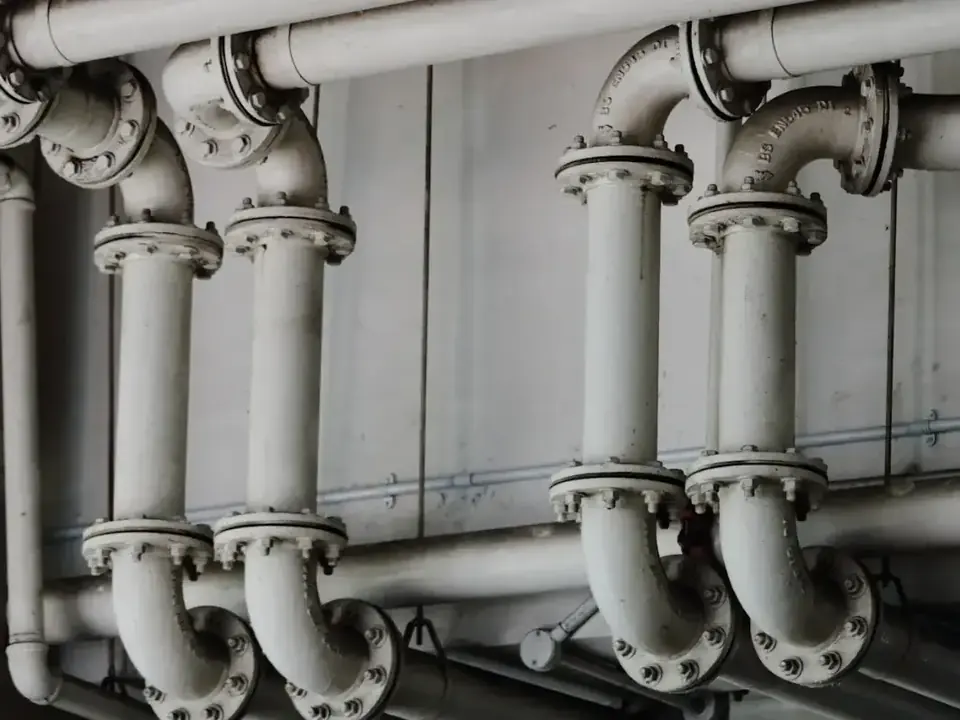
ASTM A106 Grade B Pipe
ASTM A106 Grade B is a seamless carbon steel pipe for high-temperature service, with 0.30% maximum carbon, 0.10% minimum silicon,…
View details →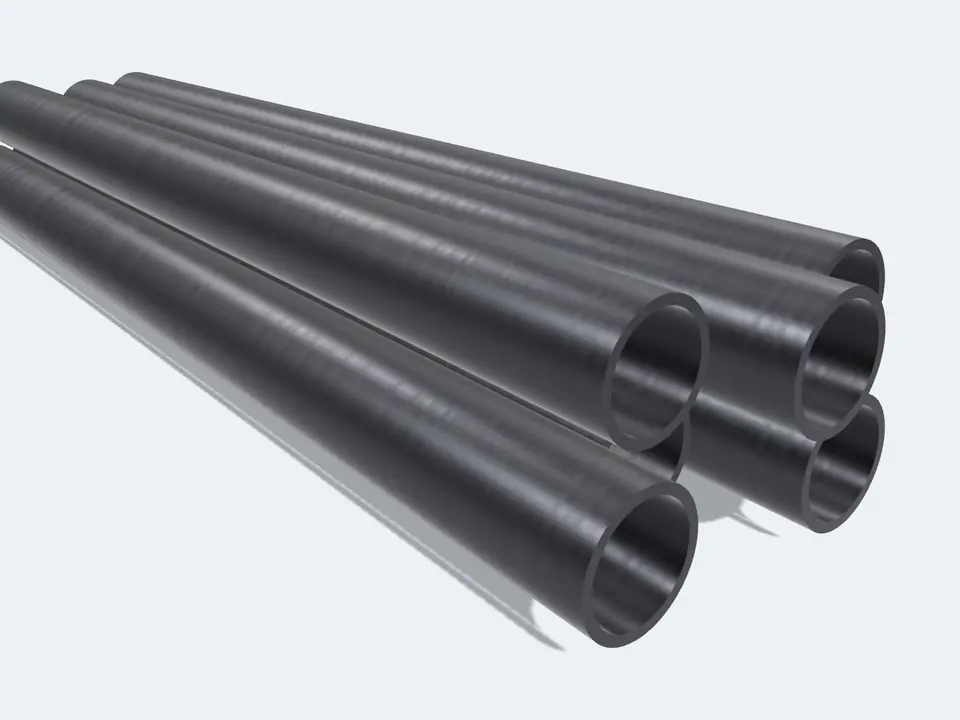
ASTM A53 Grade B Pipe
ASTM A53 Grade B is a carbon steel pipe made seamless (Type S) or electric-resistance welded (Type E), supplied black or hot-dip…
View details →
ASTM A335 P22 Pipe
A335 P22 is a seamless alloy steel pipe with 1.90–2.60% chromium and 0.87–1.13% molybdenum, used for steam and process piping…
View details →ASTM A335 P11 Pipe
ASTM A335 P11 is a seamless 1¼% chromium, ½% molybdenum alloy steel pipe for high-temperature service, with 415 MPa minimum…
View details →
SS 316L
SS 316L (UNS S31603) is 316 stainless steel with carbon held to 0.030% maximum.
View details →
Duplex & Super Duplex Steel
Duplex 2205 is a stainless steel of roughly half ferrite and half austenite with 22 % chromium, 5–6 % nickel, about 3 %…
View details →
Monel
Monel 400 (UNS N04400) is a nickel-copper alloy, about 63 % nickel minimum and 28–34 % copper, used for seawater, brine,…
View details →
Carbon & Alloy Steel Pipe Fittings
Jubilant Impex supplies carbon steel, alloy steel and stainless steel pipe fittings in Bangalore: butt-weld fittings, forged…
View details →Fittings and flanges for a mixed line
A line that changes material also changes fittings. We supply carbon, alloy and stainless fittings in butt-weld, socket-weld, screwed, forged and compression-with-ferrule types, so the elbow and tee match the pipe grade and schedule. For instrument and impulse lines, stainless compression fittings with ferrules save a lot of site welding.
Karnataka's coastal refinery and port belt around Mangaluru is the obvious local user, but most of our oil and gas enquiries come from fabricators and maintenance contractors who build spools and skids in Bangalore and ship them out.
What to put on an oil and gas enquiry
A complete line on the indent saves two rounds of phone calls. Give the standard and grade, nominal bore and schedule (or OD and wall), seamless or welded, length, quantity and end finish, plus any extra testing such as hydrotest, NACE hardness or impact values. If you only have the line class from the piping spec, send that page and we will read the material off it. Our pipe schedule chart helps convert schedule to wall thickness if the drawing gives only one.
Questions about Oil & Gas
Still unsure? Call 080-41159995 or WhatsApp +91 98441 25506 and we will answer from the trade desk.
What type of pipe is used in the oil and gas industry?
Seamless carbon steel pipe to ASTM A106 Grade B or API 5L is the most common choice for oil and gas process lines. Welded pipe to A53 is used for low-pressure utilities. Chrome-moly A335 grades take over at high temperature, and stainless, duplex or nickel alloys are used where the fluid is corrosive.
Is A106 or A53 better for refinery service?
A106 Grade B is written for high-temperature service and is always seamless, so refineries prefer it for hydrocarbon process lines. A53 Grade B can be seamless or ERW and is normally limited to utilities such as cooling water, air and firewater. Chemistry and tensile requirements are similar, but A106 has tighter controls for hot service.
Why is duplex stainless steel used offshore?
Duplex stainless has a mixed austenite and ferrite structure that gives about twice the yield strength of 316L and much better resistance to chloride pitting and stress corrosion cracking. Offshore that means thinner, lighter pipe for seawater, produced water and process lines, with a longer life than 316L in warm salty conditions.
Where is Monel used in a refinery?
Monel 400 is used mainly in hydrofluoric acid alkylation units, where it resists HF far better than steel or stainless, and in seawater systems for pump shafts, valve trim and heat exchanger tubes. It also appears in crude unit overhead condensers where chlorides and acidic condensate attack carbon steel.
What does NACE compliance mean when buying pipe?
NACE MR0175 / ISO 15156 sets limits on hardness, heat treatment and chemistry so that steel in wet H₂S service does not crack. It is a requirement on the material and its processing, not a separate grade. Mention it on your enquiry so the certificate and hardness values can be checked against it before dispatch.
Other industries and guides
ERW vs Seamless Pipe
Seamless pipe is made by piercing a solid billet, so it has no weld.
View details →
Marine & Offshore
Marine grade metals are alloys that resist seawater corrosion: 316L stainless for deck hardware and fittings, duplex for seawater…
View details →Power Plants & IBR Boilers
IBR boiler tubes and pipes are steel products made and tested to the Indian Boiler Regulations so they can be used in boilers and…
View details →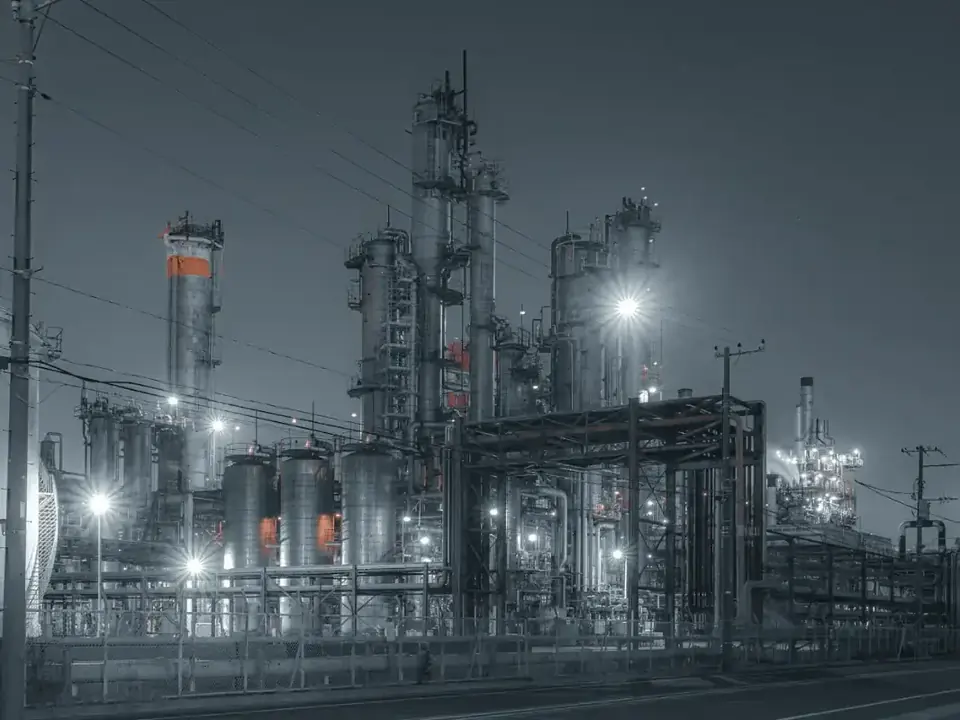
Chemical & Process Plants
In chemical plants the metal is chosen by the fluid it handles.
View details →
Pharmaceutical
Pharmaceutical grade stainless steel is normally 316L for product-contact parts and purified water or WFI systems, and 304 for…
View details →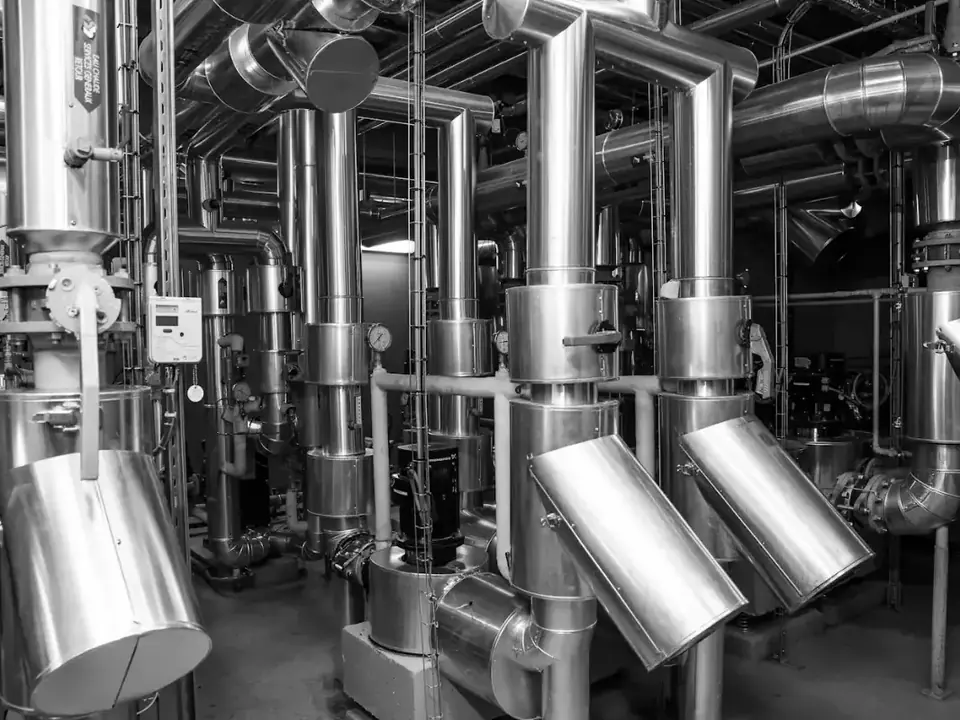
Food, Dairy & Beverage
Food grade stainless steel usually means 304 for most dairy, brewery and food equipment, and 316 or 316L where salt, brine,…
View details →Supplying a oil & gas project? Send the BOQ.
Send the material, grade, size and quantity. We confirm availability and price, with the test certificate details.