
Gun Metal Bushes, Bars and Castings (LG2 / C83600)
Gun metal is a cast copper alloy of roughly 85 % copper with 5 % each of tin, lead and zinc, called LG2 in BS 1400 and C83600 in ASTM. It is pressure-tight, machines easily and runs well as a bearing, so it suits bushes, valve and pump bodies. Jubilant Impex, Bangalore, supplies it with a test certificate.
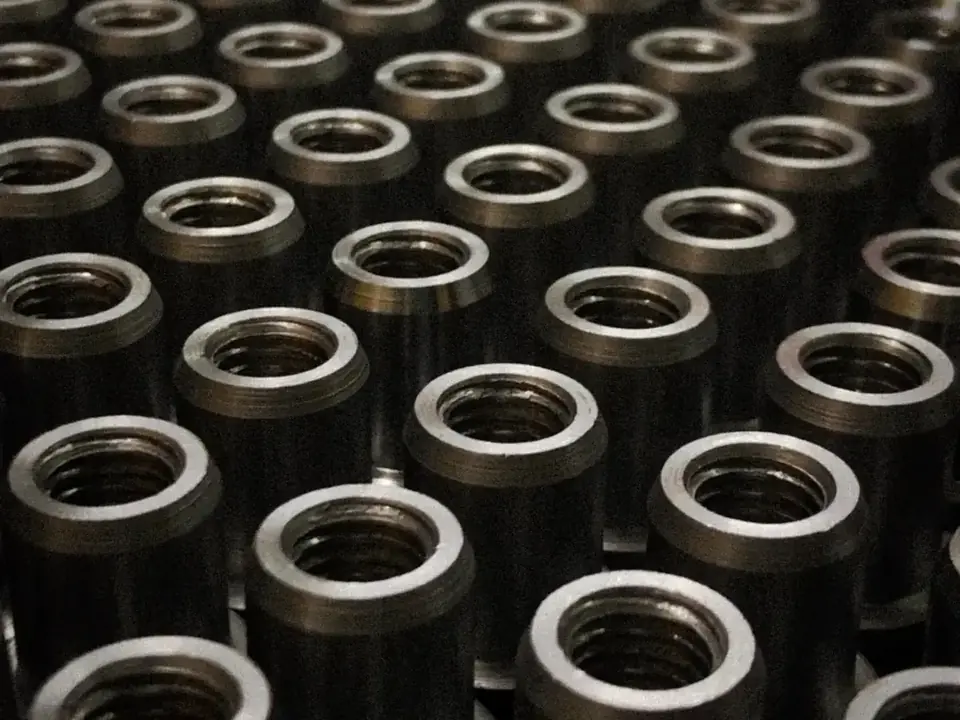
Gun Metal specifications
Per ASTM B584, UNS C83600 (%), weight %
| Cu | 84.0–86.0 |
|---|---|
| Sn | 4.0–6.0 |
| Pb | 4.0–6.0 |
| Zn | 4.0–6.0 |
| Ni (incl. Co) | 1.0 max |
| Fe | 0.30 max |
| Sb | 0.25 max |
| S | 0.08 max |
| P | 0.05 max |
| Al | 0.005 max |
| Si | 0.005 max |
ASTM B584, C83600 sand castings
| Tensile strength | 205 MPa (30 ksi) min |
|---|---|
| Yield strength (0.5 % extension) | 95 MPa (14 ksi) min |
| Elongation | 20 % min |
Typical values
| Density | 8.83 g/cm³ |
|---|---|
| Magnetic | No |
Designations in other standards
| UNS | C83600 |
|---|---|
| BS 1400 | LG2 |
| EN 1982 | CC491K (CuSn5Zn5Pb5-C) |
| Indian standard | IS 318 (leaded tin bronze, LTB grades) |

Enquire about Gun Metal
Tell us grade, size, quantity and delivery location. Every consignment ships with a test certificate.
Request a quoteWhatsApp +91 98441 25506Or call 080-41159995
How Gun Metal measures up
- Cu 85%
- Cu 85%
- Sn 5.0%
- Pb 5.0%
- Zn 5.0%
View as table
| Element | Nominal % |
|---|---|
| Cu | 85% |
| Sn | 5.0% |
| Pb | 5.0% |
| Zn | 5.0% |
View as table
| Property | Specified |
|---|---|
| Tensile strength | 205 MPa |
| Yield strength | 95 MPa |
Walk into any pump or valve workshop in South India and ask for a gun metal bush, and nobody needs more explanation. The alloy has been the default for impeller wear rings, gland bushes, valve bodies and bearing shells for generations, because it casts sound, does not leak under pressure and is kind to steel shafts.
The usual grade is the 85-5-5-5 composition: 85 % copper, 5 % tin, 5 % lead and 5 % zinc. Different standards call it by different names, and that is where most ordering confusion starts.
What gun metal is made of
Each of the four elements does a job. Copper is the base and gives corrosion resistance in water. Tin is the strengthener and the reason the alloy is a bronze. Zinc helps deoxidise the melt and adds strength cheaply. Lead does not dissolve in copper; it sits as tiny globules that make the metal machine with short, broken chips and that smear into a thin film if a bearing runs short of oil.
The result is a medium-strength alloy that seals well, machines easily and has good wear behaviour at moderate loads. It is always used as a casting or as continuous or centrifugally cast bar, never as rolled sheet or drawn wire.
One alloy, several names
LG2 is the old British BS 1400 name and is still the word most Indian foundries and buyers use. The current European designation is CuSn5Zn5Pb5-C, numbered CC491K in EN 1982. In ASTM it is UNS C83600, cast to B584 (sand castings), B505 (continuous castings) or B271 (centrifugal castings), and in the US it is often called ounce metal or 85 metal.
In India, IS 318 covers leaded tin bronze ingots and castings in grades LTB 1 to LTB 5. Those grades differ in tin and lead content, so if your drawing calls for an IS 318 grade, quote the LTB number on your enquiry rather than just writing gun metal.
| Property | Gun metal LG2 / C83600 | Phosphor bronze | Leaded brass |
|---|---|---|---|
| Main alloying | Sn 4–6, Pb 4–6, Zn 4–6 | Sn 4–13, P | Zn about 35–40, Pb |
| Usual form | Castings, cast bar | Wrought rod or cast bar | Extruded rod, forgings |
| Pressure tightness | Very good | Good | Fair in castings |
| Bearing load capacity | Moderate | High | Low |
| Machinability | Very good | Fair to good | Excellent |
| Corrosion in water | Very good | Very good | Can dezincify |
| Typical parts | Valve bodies, pump bushes, wear rings | Heavy bushes, springs, gears | Fittings, turned components |
Why it is called gun metal
Before steel took over, cannon were cast from copper-tin bronze, and the name stuck to bronzes of that general type. The modern 85-5-5-5 alloy has never seen a battlefield. Do not confuse it with gunmetal grey, which is just a colour, or with gunmetal finishes on consumer products.
Where gun metal bushes earn their keep
Gun metal is chosen for bushes that see moderate loads and speeds with reliable lubrication: pump gland and neck bushes, impeller wear rings, valve stem guides, conveyor and agricultural machine bushes, and the bearing shells many sugar mills still cast for roller journals. Under heavy shock loads or high speed, a high-tin phosphor bronze lasts longer; for light, occasional movement, gun metal is more than enough and cheaper to machine.
For pressure parts the alloy is used for valve bodies and bonnets, pump casings and impellers, water meter bodies and pipe fittings. Its tight, fine-grained castings pass hydrostatic tests that leaded brasses of the same wall thickness may fail.
Ordering bush and bar stock
For bushes, cored or hollow cast bar saves a great deal of metal and lathe time compared with boring a solid round. Give us the finished bush OD, ID and length, and we will suggest a cast bar size with sensible machining allowance; actual available sizes are confirmed at enquiry. For valve and pump castings, send the drawing and the standard.
Every supply comes with a test certificate through a Govt. recognised test house, showing copper, tin, lead and zinc. That is worth having, because remelted scrap gun metal of uncertain tin content is common in the trade, and a low-tin bush wears out fast. If you want a stronger, springier alternative, see phosphor bronze; for melting stock, our ingot range covers tin, lead and zinc.
Machining gun metal
- Leaded gun metal is one of the easiest copper alloys to turn; chips break short and tool wear is low.
- Use sharp tools with near-zero or slightly positive rake, which avoids the tool digging in.
- Bore bushes slightly after pressing in if the housing interference closes the ID.
- Machine oil grooves in bearing bushes; lead helps in a dry start but is no substitute for lubrication.
- Keep gun metal swarf separate from brass and steel turnings; clean, segregated gun metal scrap fetches a far better price from the scrap dealer.
- For long thin bushes, finish the bore last and support the part well, because the alloy's modest strength lets thin walls deflect under tool pressure.
Where Gun Metal is used
Questions about Gun Metal
Still unsure? Call 080-41159995 or WhatsApp +91 98441 25506 and we will answer from the trade desk.
What is gun metal made of?
Standard gun metal is about 85 % copper, 5 % tin, 5 % lead and 5 % zinc. ASTM B584 sets the limits for C83600 at copper 84.0–86.0 %, and tin, lead and zinc each at 4.0–6.0 %, with small maximums for nickel, iron, antimony and other impurities. Older admiralty gun metal had more tin and no lead, but the leaded 85-5-5-5 grade is what is usually supplied today.
What is LG2 gunmetal?
LG2 is the British Standard BS 1400 designation for leaded gunmetal of nominal composition 85 % copper with 5 % each of tin, lead and zinc. BS 1400 has been withdrawn and replaced by EN 1982, where the closest grade is CuSn5Zn5Pb5-C (CC491K), but LG2 remains the common trade name in India and the UK. ASTM C83600 is the American equivalent.
What is the difference between gun metal and bronze?
Gun metal is a type of bronze. Plain tin bronzes are mainly copper and tin, while gun metal adds zinc and lead to the copper-tin base. The zinc reduces cost and helps castability, and the lead improves machinability and bearing behaviour. Gun metal is used mostly for castings such as valves and bushes, while phosphor bronze is used for springs and heavier-duty bearings.
Is gun metal safe for drinking water fittings?
LG2 gun metal contains 4–6 % lead, and some lead can leach into water standing in a valve or fitting. Many countries now limit lead in parts that touch drinking water; the US, for example, caps it at 0.25 % on a weighted-average wetted-surface basis. For potable water projects, check whether your specification requires a low-lead or lead-free copper alloy instead.
Can gun metal be welded?
Leaded gun metal is difficult to fusion weld, because the lead causes hot cracking and porosity in the weld zone. Small casting defects are sometimes repaired by experienced welders with suitable bronze fillers and preheat, and brazing or soft soldering is used for joining. For parts that must be welded into an assembly, a low-lead or lead-free bronze is the better choice.
Keep exploring
Special Alloys & Non-Ferrous Metals
Special alloys are metals chosen when ordinary steel, stainless or brass will fail: nickel alloys such as Inconel, Incoloy, Monel…
View details →
Phosphor Bronze
Phosphor bronze is copper alloyed with tin, typically 4–9 %, and a small phosphorus addition of 0.03–0.35 %.
View details →Brass Rods: Round, Hex & Square
Jubilant Impex supplies brass rod in Bangalore in round, hexagonal and square sections, either extruded or commercial quality.
View details →
Ingots
Jubilant Impex supplies lead, zinc and tin ingots and aluminium LM4 and LM6 alloy ingots from Bangalore.
View details →
Sugar Mills & Distilleries
Sugar mill tubes are the heat-exchange tubes in juice heaters, evaporators and pans, traditionally drawn in 70/30 brass for its…
View details →Engineering & Machining
Machine shops buy bar stock by how it cuts and what the part must do.
View details →Need Gun Metal with a test certificate?
Send the material, grade, size and quantity. We confirm availability and price, with the test certificate details.