
- Home
- Industries We Serve
- Electrical & Power Distribution
EC grade copper and other metals for electrical and power distribution work
Electrical and power distribution equipment runs on EC grade copper, which is at least 99.9% pure with conductivity close to 100% IACS, for bus bars, flats and windings. Aluminium is used where weight and cost matter, tinned and nickel-plated copper protect joints, and brass and phosphor bronze make terminals and contacts. Jubilant Impex supplies all of these from Bangalore.
An electrical buyer thinks in amps and millivolts. A bus bar that is 3% lower in conductivity than the drawing assumed runs hotter at full load, and in a closed panel heat is what ages insulation and loosens joints. That is why the first word on most electrical indents is 'EC'.
This page covers the metals that go into switchgear, distribution boards, transformers, bus ducts and earthing systems.
What makes copper 'EC grade'?
EC stands for electrical conductor. In practice it means electrolytic tough pitch copper with a minimum of 99.90% copper (silver counted as copper) and conductivity close to 100% IACS in the annealed condition. Lower 'commercial' copper with more impurities can lose several points of conductivity, which is invisible to the eye and obvious on a thermal camera. Our EC grade copper comes with a test certificate showing the chemistry.
EC copper flats and bars are the standard bus bar material in LT panels, MCCs, PCCs and bus ducts. Rods and strips go into transformer leads, links and windings.
Hard drawn, soft, tinned or nickel-plated?
The same copper comes in different tempers and finishes, and each does a different job.
- Hard drawn copper keeps its shape and strength, so it suits bus bars, overhead conductors and earth rods that must not sag.
- Soft annealed copper bends easily without cracking, for flexible links, braids and windings.
- Tinned copper resists oxidation and sulphide tarnish, so joints stay low-resistance in humid or polluted air, and it is the usual choice where copper meets aluminium.
- Nickel-plated copper holds up at higher temperatures and in corrosive atmospheres, for terminals near heating elements, furnaces and chemical plants.
Copper or aluminium bus bars?
Aluminium bus bar has around 61% of copper's conductivity, so it needs about 1.6 times the cross-section to carry the same current. Because aluminium is less than a third as dense, that larger bar still weighs roughly half as much as the copper one, and usually costs less. Bus ducts and large distribution panels often use aluminium for this reason. Copper wins where space is tight, short-circuit forces are high or joints are frequent, because aluminium joints need more care to stay tight.
Mixed systems are common too: aluminium bus duct feeding a copper-busbar panel, or aluminium cable lugged onto copper bars. At every such junction use bimetallic lugs or tinned copper with the right washers, and torque the bolts to the panel maker's values. Most hot joints found during thermography surveys are bimetallic joints that were assembled like copper-to-copper ones.
What goes where
View as table
| Material | Conductivity |
|---|---|
| Copper E.C. (Cu-ETP) | 100% IACS |
| Aluminium (EC grade 1350) | 61% IACS |
| Aluminium 6063 | 53% IACS |
| Brass 70/30 | 28% IACS |
| Phosphor bronze | 15% IACS |
| Carbon steel | 10% IACS |
| Stainless 304 | 2.5% IACS |
View as table
| Grade | Tensile, min |
|---|---|
| ASTM A335 P11 Pipe | 415 MPa min |
| ASTM A335 P22 Pipe | 415 MPa min |
| ASTM A106 Grade B Pipe | 415 MPa min |
| ASTM A53 Grade B Pipe | 415 MPa min |
| ASME SA-179 Heat Exchanger Tubes | 325 MPa min |
| BS 3059 Boiler Tubes (Part I & II) | 480 MPa min |
Grades and products buyers in this sector order
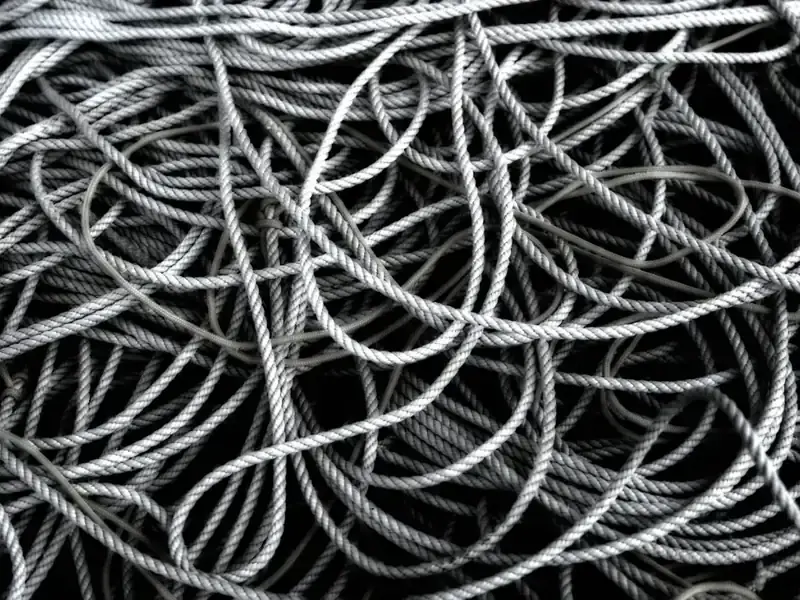
E.C. Grade Copper (Electrolytic)
EC grade copper is electrolytic tough pitch (ETP) copper, designated Cu-ETP, UNS C11000 or CW004A, with at least 99.90 % copper…
View details →
Hard Drawn Copper
Hard drawn copper is copper that has been cold drawn or rolled to size and not annealed afterwards.
View details →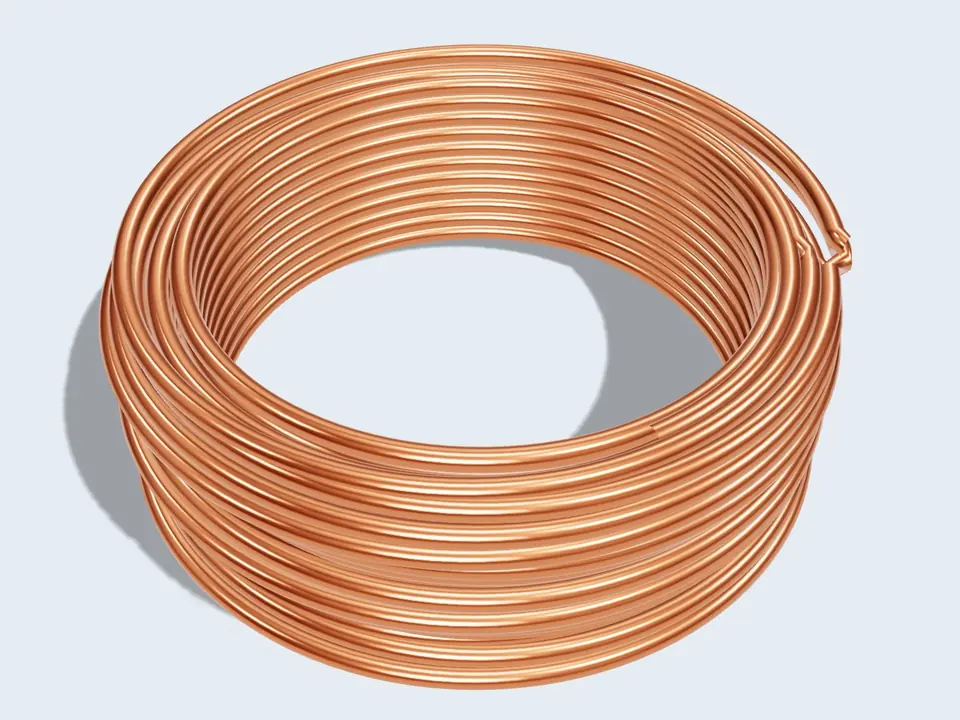
Soft Annealed Copper
Annealed copper is copper that has been heated after cold working so its grains recrystallise, making it soft, ductile and fully…
View details →Tinned Copper
Tinned copper is copper wire, strip or busbar coated with a thin layer of tin.
View details →Nickel Plated Copper
Nickel plated copper is copper wire, strip or busbar with an electroplated or clad nickel layer.
View details →Copper Rods, Bars & Flats
Jubilant Impex supplies copper bus bar in Bangalore as E.C. grade flats, plus round, square and hexagonal copper rods, in hard,…
View details →Copper Lightning Arrester & Earthing Material
A copper lightning arrester, in Indian site language, is the copper air terminal or spike fixed at the highest point of a…
View details →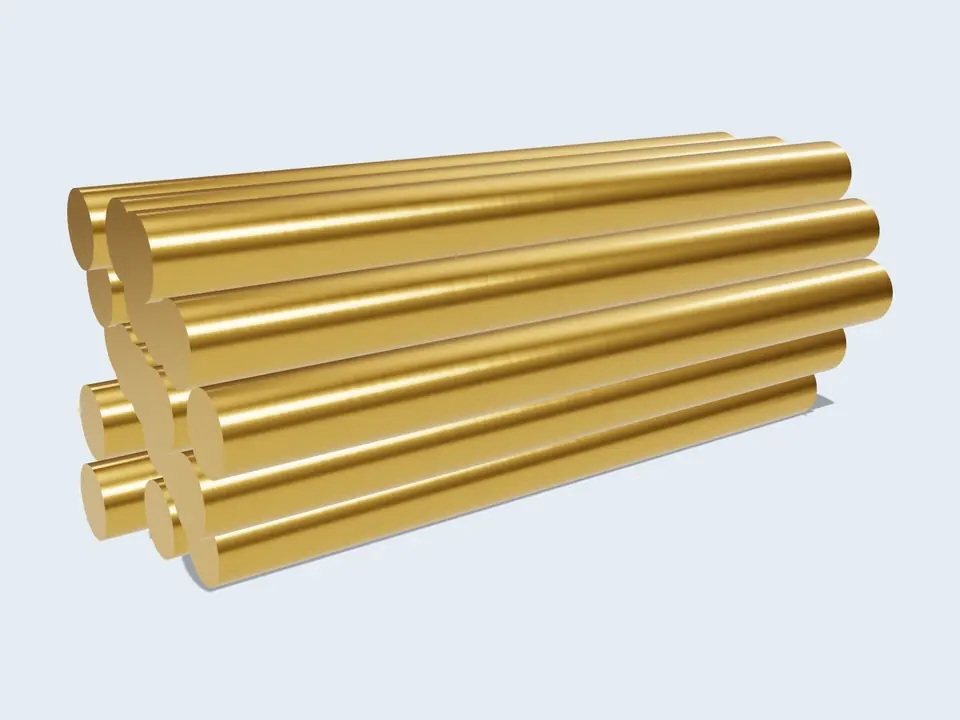
Brass Rods: Round, Hex & Square
Jubilant Impex supplies brass rod in Bangalore in round, hexagonal and square sections, either extruded or commercial quality.
View details →Terminals, contacts and springs
Brass machines cleanly and resists corrosion, so it is used for terminals, neutral links, cable glands and earth bars in distribution boards. Phosphor bronze combines spring properties with good conductivity and fatigue life, which is why switch and relay contacts, socket springs and connector clips are made from it.
Brass for terminals is usually the free-cutting 60/40 type, since parts are turned on automatic lathes in large numbers. For crimp lugs and parts that are bent after machining, a more ductile brass such as 63/37 avoids cracking at the bend.
Earthing and lightning protection
Copper earth strips, rods and lightning arrester material protect people and equipment. Earthing practice in India follows IS 3043, and lightning protection follows IS/IEC 62305. Both depend on low-resistance, corrosion-resistant conductors in the ground and on the roof, which is where copper's long life pays back its price.
Peenya and the other Bangalore industrial areas have a dense cluster of panel builders, transformer repairers and electrical contractors. Most of our electrical copper goes to them, in cut lengths for a single project or in larger lots for production.
Questions about Electrical & Power Distribution
Still unsure? Call 080-41159995 or WhatsApp +91 98441 25506 and we will answer from the trade desk.
What is the conductivity of EC grade copper?
EC grade copper, also called electrolytic tough pitch or ETP copper, has electrical conductivity of about 100% IACS when annealed, the reference value against which other conductors are measured. Hard-drawn EC copper is slightly lower, typically around 97%. It contains at least 99.90% copper including silver.
Why are bus bars made of copper?
Copper has the highest conductivity of any commercial metal except silver, good mechanical strength and stable, low-resistance joints. That lets a copper bus bar carry high current in a small cross-section, handle short-circuit forces and stay cool at bolted connections. Aluminium is cheaper and lighter but needs more space and more careful jointing.
What is the difference between tinned copper and bare copper?
Tinned copper has a thin tin coating over the copper. The tin protects the surface from oxidation, sulphide tarnish and moisture, so joints keep low resistance for longer, and it reduces galvanic corrosion where copper is bolted to aluminium. Bare copper conducts identically but tarnishes in humid, coastal or polluted air.
How do you calculate bus bar size?
Bus bar size is usually picked from the manufacturer's or standard current rating tables for a given temperature rise, then checked for short-circuit withstand. A rough thumb rule used by panel builders is about 1.2–1.6 A per mm² for copper and about 0.8–1.0 A per mm² for aluminium, depending on enclosure and ventilation. Always confirm against the design standard.
Which copper is used for earthing?
Earthing conductors, strips and electrodes are made from high-conductivity copper, often in hard-drawn or tinned form for strength and corrosion resistance. Pure copper flats, rods and plates are common, and copper-bonded steel rods are also used for electrodes. Indian practice follows IS 3043 for sizing and installation.
Other industries and guides
Oil & Gas
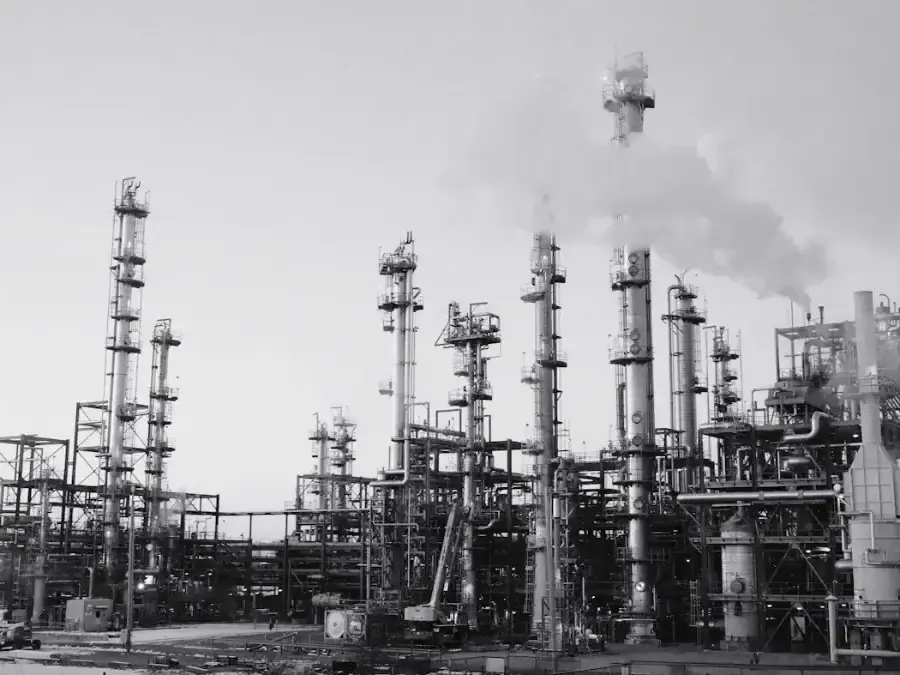
Most oil and gas piping is carbon steel, usually ASTM A106 Grade B seamless for process lines and A53 Grade B for utilities.
View details →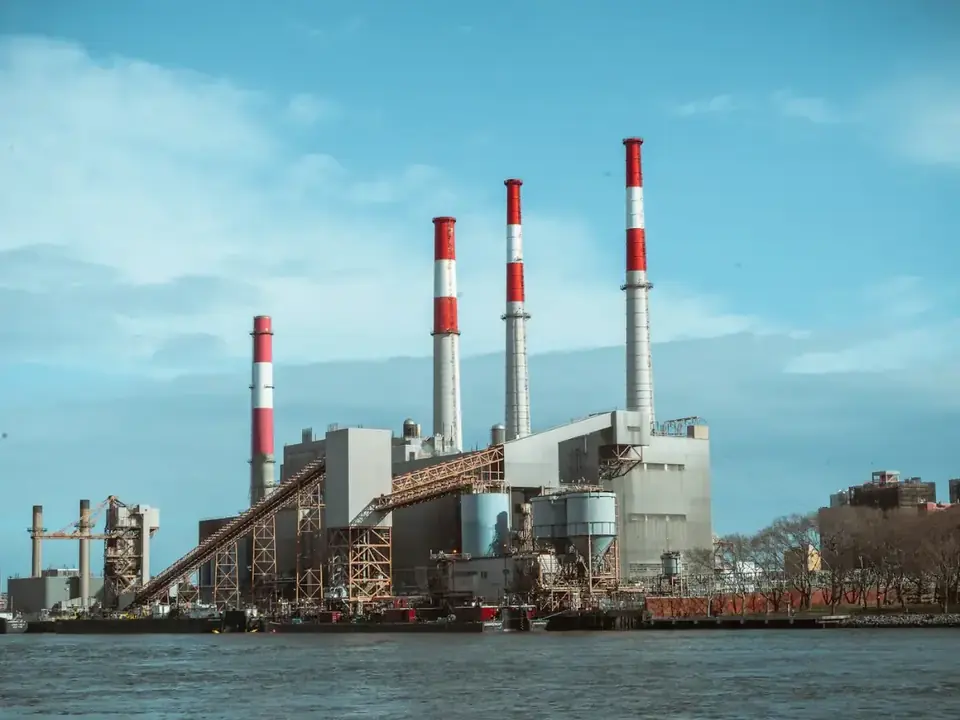
Power Plants & IBR Boilers
IBR boiler tubes and pipes are steel products made and tested to the Indian Boiler Regulations so they can be used in boilers and…
View details →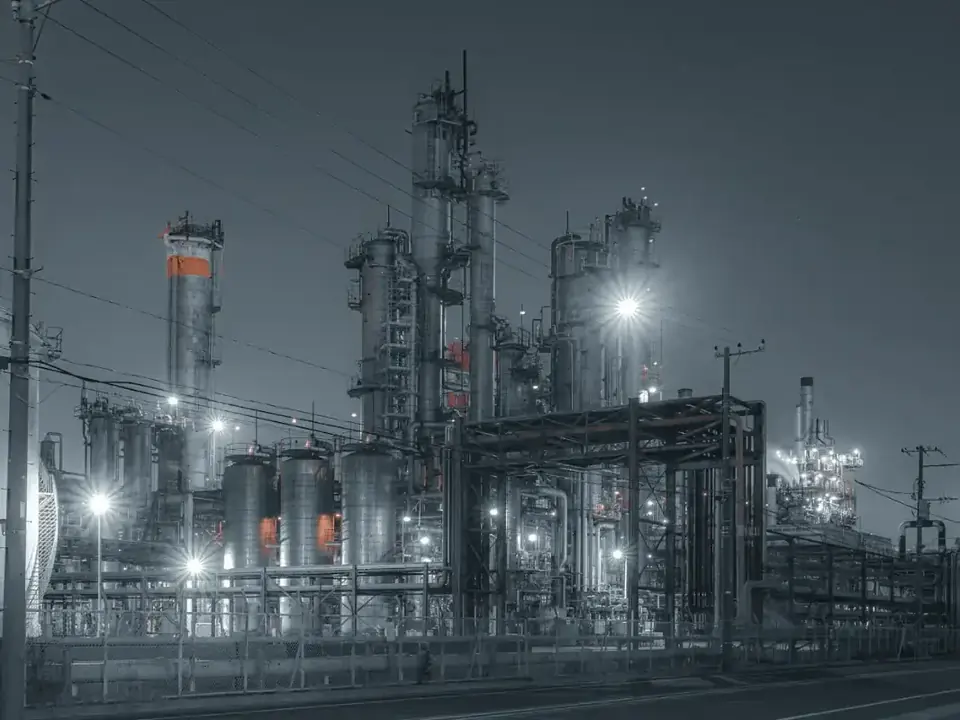
Chemical & Process Plants
In chemical plants the metal is chosen by the fluid it handles.
View details →
Pharmaceutical
Pharmaceutical grade stainless steel is normally 316L for product-contact parts and purified water or WFI systems, and 304 for…
View details →Supplying a electrical & power distribution project? Send the BOQ.
Send the material, grade, size and quantity. We confirm availability and price, with the test certificate details.