
Antimony Metal for Lead Alloys and Industry
Antimony (Sb) is a brittle, silvery metalloid that melts at about 631 °C. Small additions harden lead for battery grids, cable sheathing, bullets and castings, and antimony trioxide is the main synergist in flame-retardant plastics. Jubilant Impex in Bangalore supplies antimony metal with a test certificate through a Govt. recognised test house.
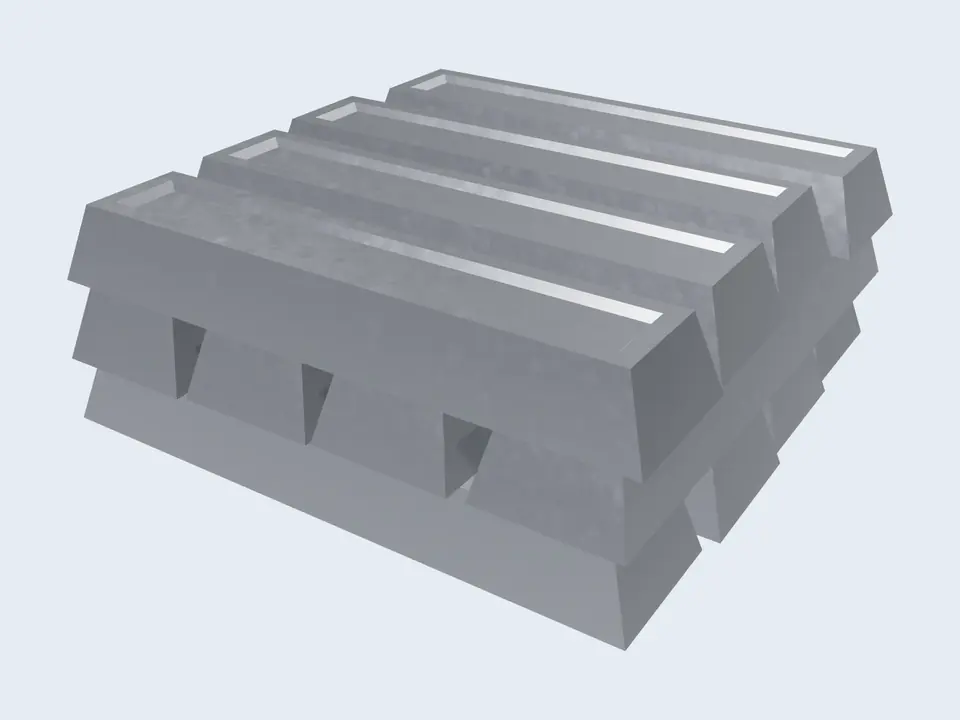
Antimony specifications
Typical values
| Symbol and atomic number | Sb, 51 |
|---|---|
| Density | 6.69 g/cm³ |
| Melting point | 630.6 °C |
| Character | Brittle, crystalline metalloid |
| Magnetic | No |
Designations in other standards
| Indian standard, antimony ingot | IS 211 |
|---|---|
| Indian standard, lead-antimony alloys | IS 1654 |
| Common trade grade | Sb 99.65 % min |
Enquire about Antimony
Tell us grade, size, quantity and delivery location. Every consignment ships with a test certificate.
Request a quoteWhatsApp +91 98441 25506Or call 080-41159995
How Antimony measures up
View as table
| Metal | Density |
|---|---|
| Aluminium | 2.70 g/cm³ |
| Antimony | 6.68 g/cm³ |
| Zinc | 7.14 g/cm³ |
| Tin | 7.29 g/cm³ |
| Duplex 2205 | 7.80 g/cm³ |
| Carbon & mild steel | 7.85 g/cm³ |
| Stainless 304 | 7.93 g/cm³ |
| Incoloy 825 | 8.14 g/cm³ |
| Inconel 625 | 8.44 g/cm³ |
| Brass 70/30 | 8.53 g/cm³ |
| Gun metal | 8.72 g/cm³ |
| Monel 400 | 8.80 g/cm³ |
| Phosphor bronze | 8.86 g/cm³ |
| Hastelloy C276 | 8.89 g/cm³ |
| Nickel | 8.90 g/cm³ |
| Copper | 8.94 g/cm³ |
| Lead | 11.34 g/cm³ |
Hardly anyone uses antimony on its own. Drop a lump and it shatters like glass; it has almost no ductility. Its value lies in what a few percent does to softer metals, above all lead, and in the oxide made from it for flame retardants.
Our customers for antimony metal are mostly lead alloy makers, small battery and casting units, and foundries that mix their own bearing or type alloys. Here is what the metal is, why it is added, and what has happened to its supply.
Is antimony a metal?
Chemically, antimony is classed as a metalloid: it sits in group 15 of the periodic table and has some properties of metals and some of non-metals. In the trade it is handled as a minor metal and sold as ingots, lumps or broken cakes, typically with a bright, crystalline fracture.
It is a poor conductor of heat and electricity for a metal, very brittle, and unusual in one respect: it expands slightly as it solidifies. That was useful in the old type metal used for printing, where the expansion pressed the alloy into every corner of the mould.
Why antimony is added to lead
Pure lead is so soft that a battery grid made from it would sag and a bullet would deform in the barrel. A few percent of antimony changes that. It forms a hard second phase in the lead, raising hardness, tensile strength and resistance to creep, and it lowers the melting point slightly and improves casting fluidity.
The resulting hard or antimonial lead is used for lead-acid battery grids and terminals, cable sheathing, ammunition and shot, ballast and weights that must hold their shape, and chemical lead parts that need stiffness. In India, lead-antimony alloys are covered by IS 1654. See our lead sheet page for where soft and hard lead are used.
| Property | Pure lead | Lead-antimony | Lead-calcium |
|---|---|---|---|
| Hardness and castability | Very soft, poor for grids | Hard, casts easily | Harder than pure lead, needs careful casting |
| Water loss in service | Low | Higher, needs topping up | Low |
| Deep cycling | Poor mechanically | Good | Fair |
| Typical batteries | Some sealed spiral-wound designs | Traction, deep-cycle, older flooded types | Maintenance-free automotive |
Antimony in batteries: less than it used to be
Older flooded lead-acid batteries used lead-antimony grids throughout. Antimony makes strong, easily cast grids that tolerate deep cycling, but it also increases water loss and self-discharge. Maintenance-free automotive batteries moved largely to lead-calcium grids for that reason. Antimonial grids remain common in deep-cycle, traction and many industrial batteries, and low-antimony alloys are used in hybrid designs, so battery makers are still a steady market for antimony.
If you cast battery parts or alloy your own lead, our lead ingots and antimony can be quoted together.
Battery recyclers, who recover lead from scrap batteries, also adjust antimony up or down when refining the recovered metal into soft lead or antimonial alloys for reuse.
Other uses of antimony
- Flame retardants: antimony trioxide works with halogenated additives in plastics, cable compounds, textiles and coatings; this is the largest use worldwide, roughly half of consumption in 2023
- Solar and specialty glass: antimony compounds are used as fining agents, and photovoltaic glass took about a fifth of consumption in 2023
- Bearing alloys: tin-based and lead-based white metals contain antimony to form hard bearing crystals
- Ammunition and defence: hardening bullet lead and other military uses
- Semiconductors and electronics: high-purity antimony for compounds such as indium antimonide
Supply and price: why buyers are paying attention
China mined about 48 % of the world's antimony in 2023, according to USGS figures, and supplies the large majority of antimony trioxide. In August 2024 China announced export licensing for antimony products, effective 15 September 2024. Prices had already reached record levels that summer, and the controls added to the uncertainty.
For Indian users, that means quotes may be valid for a shorter period than you are used to and availability can change at short notice. We confirm price and quantity at the time of enquiry rather than holding long-dated offers.
Grades, safety and ordering
Antimony metal is traded by purity, with 99.65 % Sb a common commercial grade and higher purities, around 99.9 %, sold for more demanding uses. IS 211 is the Indian standard for antimony ingot. Tell us the purity, the form (ingot, lump or crushed), the quantity and the end use, and we will confirm what is available. Every supply carries a test certificate through a Govt. recognised test house.
Antimony and its compounds are toxic if swallowed or inhaled as dust or fume. Crush and melt it with extraction and dust masks, and keep it away from food areas. Antimony trioxide in particular needs careful dust control.
Where Antimony is used
Questions about Antimony
Still unsure? Call 080-41159995 or WhatsApp +91 98441 25506 and we will answer from the trade desk.
What is antimony used for?
Antimony is used mainly as antimony trioxide in flame retardants for plastics, cables and textiles, which takes about half of world consumption. It is also used in photovoltaic and specialty glass, to harden lead for battery grids, cable sheathing and ammunition, in tin and lead bearing alloys, and in some semiconductors. As metal, it is almost always an alloying addition rather than a material on its own.
Why is antimony added to lead?
Pure lead is very soft and creeps under load. Adding a few percent of antimony forms a hard second phase that raises hardness, strength and creep resistance and improves casting fluidity. This hard or antimonial lead is used for battery grids and terminals, bullets and shot, cable sheaths and any lead part that must keep its shape.
Is antimony toxic?
Yes, antimony and many of its compounds are toxic if swallowed or if dust and fume are inhaled, affecting the lungs, heart and digestive system with prolonged exposure. Antimony trioxide is classed as a suspected carcinogen in the EU. Handle the metal with gloves, control dust when crushing, melt under extraction, and follow occupational exposure limits for antimony.
Why are antimony prices so high?
Supply is concentrated. China produced about 48 % of mined antimony in 2023 and most of the world's antimony trioxide, and it introduced export licensing on 15 September 2024. Demand from flame retardants, solar glass, batteries and defence has also grown. Prices hit record highs in 2024, and buyers outside China have been building stocks.
What is the melting point of antimony?
Antimony melts at about 630.6 °C, well above lead at 327.5 °C and tin at about 232 °C. When alloying lead, antimony is therefore not simply dropped into barely molten lead; it is added to lead heated well above its melting point, or as a pre-made lead-antimony master alloy, so that it dissolves fully.
Keep exploring
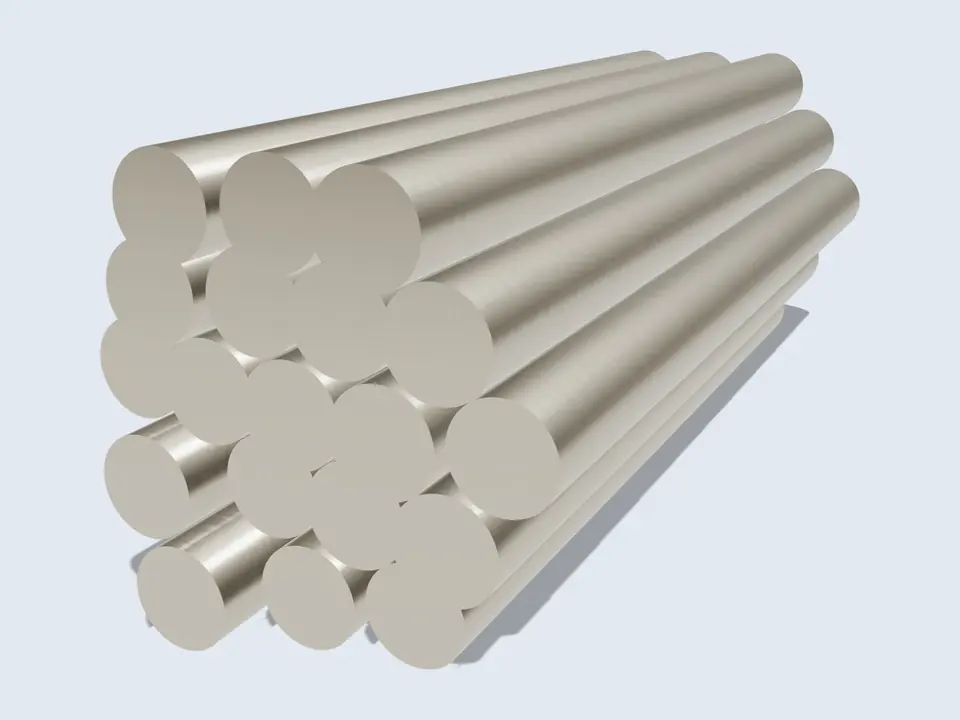
Special Alloys & Non-Ferrous Metals
Special alloys are metals chosen when ordinary steel, stainless or brass will fail: nickel alloys such as Inconel, Incoloy, Monel…
View details →Lead Sheets & Products
Lead sheet is rolled lead, about 11.34 g/cm³ in density, soft enough to form by hand and resistant to sulphuric acid.
View details →Lead Ingots
Lead ingots are cast blocks of refined lead, graded by minimum purity.
View details →
Tin-Lead (Solder) Alloys
Tin-lead solder is an alloy of tin and lead that melts between 183 °C and about 260 °C depending on the ratio.
View details →Ingots
Jubilant Impex supplies lead, zinc and tin ingots and aluminium LM4 and LM6 alloy ingots from Bangalore.
View details →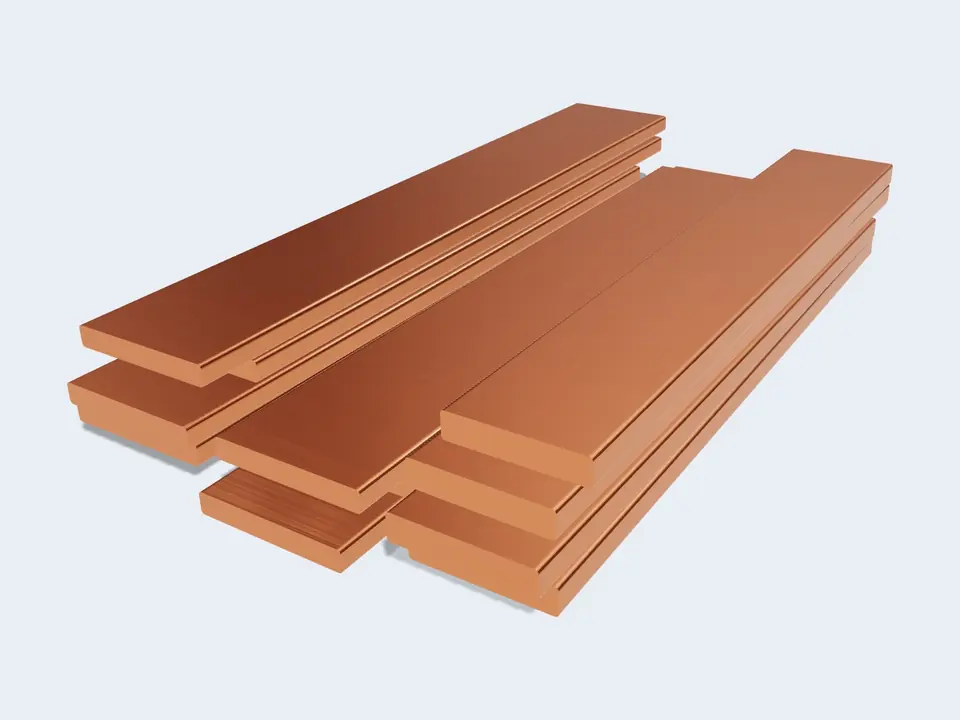
Electrical & Power Distribution
Electrical and power distribution equipment runs on EC grade copper, which is at least 99.9% pure with conductivity close to 100%…
View details →Need Antimony with a test certificate?
Send the material, grade, size and quantity. We confirm availability and price, with the test certificate details.