
SS 420 stainless steel for blades, moulds and wear parts
SS 420 (UNS S42000) is a martensitic stainless steel with 12–14% chromium and at least 0.15% carbon. The extra carbon lets it harden more than 410, which suits knives, surgical instruments, plastic moulds and wear parts. It is magnetic and is supplied soft for machining. Jubilant Impex supplies 420 bar and wire in Bangalore.
SS 420 specifications
Per ASTM A276 (bars and shapes), UNS S42000, weight %
| C | 0.15 min |
|---|---|
| Mn | 1.00 max |
| P | 0.040 max |
| S | 0.030 max |
| Si | 1.00 max |
| Cr | 12.0–14.0 |
ASTM A276 (annealed bar)
| Hardness, annealed | 241 HB max |
|---|---|
| Hardness after hardening and low temper (typical, higher-carbon types) | around 48–50 HRC |
Typical values
| Density | approx. 7.7 g/cm³ |
|---|---|
| Elastic modulus | 200 GPa |
| Thermal conductivity at 100 °C | 24.9 W/m·K |
| Magnetic | Ferromagnetic |
Designations in other standards
| UNS | S42000 |
|---|---|
| EN / W.Nr. (DIN) | 1.4021 / X20Cr13 (lower carbon); 1.4028 / X30Cr13 (higher carbon) |
| JIS | SUS420J1 (lower carbon); SUS420J2 (higher carbon) |
Available forms
Enquire about SS 420
Tell us grade, size, quantity and delivery location. Every consignment ships with a test certificate.
Request a quoteWhatsApp +91 98441 25506Or call 080-41159995
How SS 420 measures up
- Fe 87%
- Cr 13.0%
View as table
| Element | Nominal % |
|---|---|
| Fe | 87% |
| Cr | 13.0% |
View as table
| Metal | Density |
|---|---|
| Aluminium | 2.70 g/cm³ |
| Antimony | 6.68 g/cm³ |
| Zinc | 7.14 g/cm³ |
| Tin | 7.29 g/cm³ |
| Duplex 2205 | 7.80 g/cm³ |
| Carbon & mild steel | 7.85 g/cm³ |
| Stainless 304 | 7.93 g/cm³ |
| Incoloy 825 | 8.14 g/cm³ |
| Inconel 625 | 8.44 g/cm³ |
| Brass 70/30 | 8.53 g/cm³ |
| Gun metal | 8.72 g/cm³ |
| Monel 400 | 8.80 g/cm³ |
| Phosphor bronze | 8.86 g/cm³ |
| Hastelloy C276 | 8.89 g/cm³ |
| Nickel | 8.90 g/cm³ |
| Copper | 8.94 g/cm³ |
| Lead | 11.34 g/cm³ |
View as table
| Grade | PREN |
|---|---|
| SS 410 | 12.5 |
| SS 420 | 13.0 |
| SS 431 | 16.0 |
| SS 430 | 17.0 |
| SS 440 | 17.0 |
| SS 446 | 25.0 |
| SS 329 | 30.4 |
Ask for 420 in two different shops and you may get two different steels. The ASTM grade sets a carbon minimum of 0.15% and no maximum, so material sold as 420 covers a family of steels from medium to fairly high carbon. Hardness, toughness and use all depend on which one you have.
This page sorts out the varieties first, then covers how 420 behaves and what to tell us when you order.
The 420 family: 420J1, 420J2 and the EN grades
Japanese and European standards split 420 into separate grades by carbon content, and Indian buyers often order using those names. The common ones are listed in the varieties table below. Lower-carbon 420 (1.4021, SUS420J1) is tougher and is used for shafts, pump parts and general engineering. Higher-carbon 420 (1.4028, SUS420J2) reaches higher hardness and is the usual choice for blades and cutting tools. Steels such as 1.4034 (X46Cr13) go higher still and are used for better-quality knives.
When you place an order, tell us which variety you need or what hardness you plan to reach after heat treatment. The test certificate will show the actual carbon so you can confirm it.
How hard does 420 get?
Annealed, ASTM A276 limits 420 bar to 241 HB maximum, soft enough to turn, mill and drill. After hardening from around 980–1050 °C and a low-temperature temper, the higher-carbon types commonly reach around 48–50 HRC. Tempering at higher temperatures lowers hardness and raises toughness. The exact figure depends on carbon content, section size and the heat treater's cycle.
As with 410, tempering in the range of about 425–600 °C is generally avoided because of reduced toughness and corrosion resistance.
| Designation | Standard | Carbon | Typical use |
|---|---|---|---|
| 420 | ASTM A276 / A240 | 0.15% min | Covers the whole family |
| 1.4021 / X20Cr13 | EN 10088 | 0.16–0.25% | Shafts, pump and valve parts |
| SUS420J1 | JIS | Lower-carbon 420 | Engineering parts, tougher |
| 1.4028 / X30Cr13 | EN 10088 | 0.26–0.35% | Blades, cutlery, moulds |
| SUS420J2 | JIS | Higher-carbon 420 | Knives, scissors, instruments |
Corrosion: highest when hard and polished
420 is unusual in that it resists corrosion most effectively in the hardened, low-temperature-tempered and polished condition. In the annealed state, much of the chromium is tied up in carbides and the steel is more prone to staining. This is why surgical instruments and scissors are always hardened and polished before use.
Its corrosion resistance is broadly similar to 410: fine for fresh water, mild food acids, steam and dry air, not suitable for salt or strong chemicals. Regular cleaning and drying is part of using any 420 product.
Heat treatment tips for 420 parts
420 is sensitive to how it is heat treated. Heat it evenly, quench in oil or air depending on section size, and temper promptly after quenching. Leaving hardened 420 untempered for long increases the risk of cracking, especially in parts with sharp corners or sudden changes in section.
Protect the surface from scaling and decarburisation during hardening, either in a vacuum or controlled-atmosphere furnace or with a protective wrap. A decarburised skin will not reach full hardness and will also corrode more easily. For moulds and instruments that need a mirror finish, ask your heat treater for vacuum hardening.
Machining and grinding 420
Annealed 420 machines reasonably well, a little harder than 410 because of its higher carbon. Rough and semi-finish machine in the annealed state, then harden and finish grind. Hardened 420 grinds and polishes well, which is one reason it is chosen for moulds and cutting edges. Use clean wheels that have not been used on carbon steel to avoid contaminating the surface.
Where 420 is used
Cutlery, scissors, surgical and dental instruments, and kitchen knives are the classic uses. In engineering, 420 is used for pump shafts, valve components, needle valves and bearings in mild service. Plastic moulding shops use pre-hardened or through-hardened 420 for mould inserts and cavities because it polishes to a high finish and resists corrosion from cooling water and some resins.
If you need still more hardness and wear resistance, look at SS 440. If toughness and corrosion matter more than hardness, SS 431 is usually the better pick.
Ordering 420 bar and wire
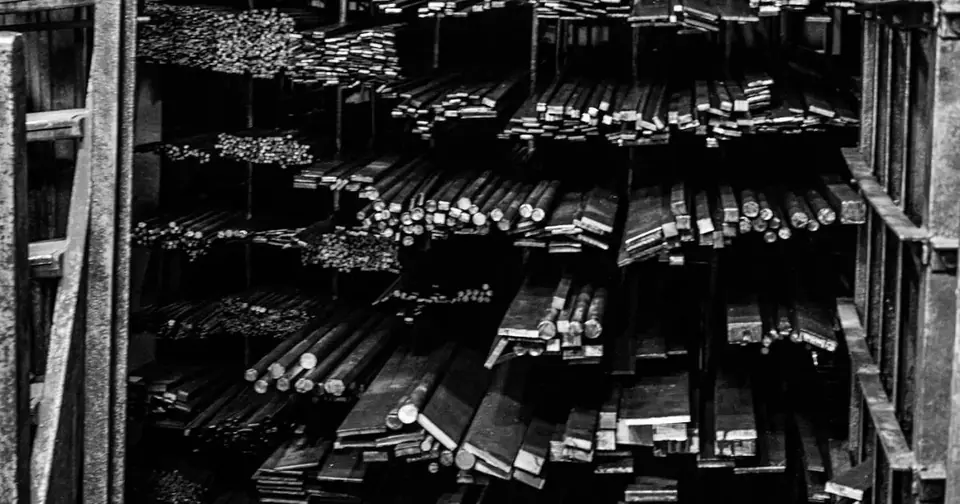
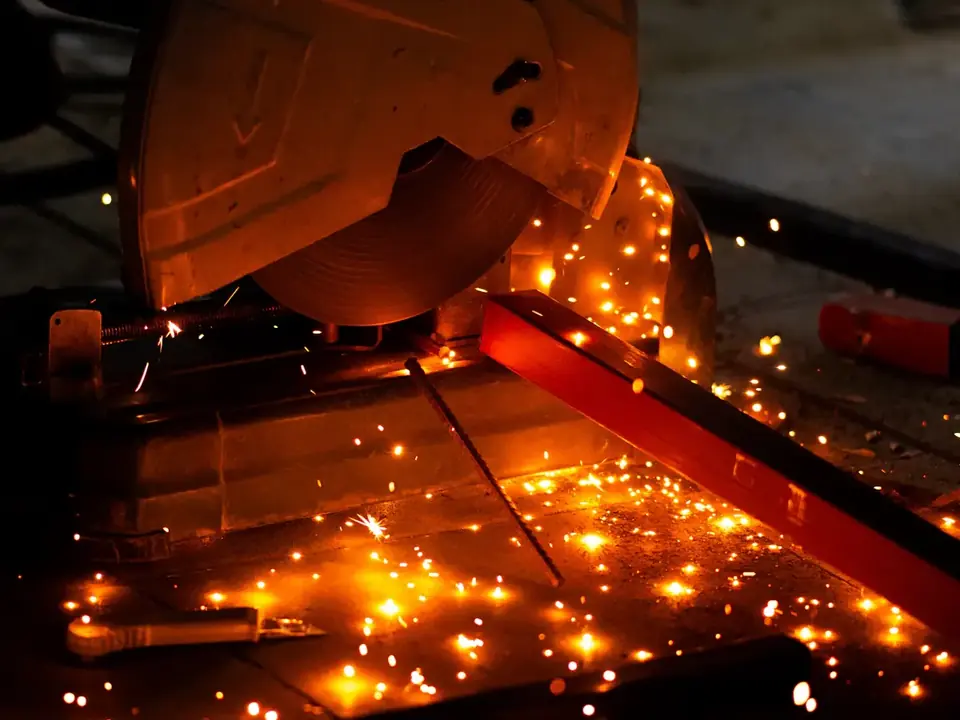
We supply 420 as round, square and flat bar for machining and moulds, hex bar, and wire for pins and small parts. Bar is normally supplied annealed. Sizes are confirmed at enquiry. For machining shops around Peenya and Bommasandra, we can discuss cut lengths. Every lot comes with a test certificate showing carbon and chromium. See our full range of stainless bars.
For mould steel, mention whether you want annealed or pre-hardened bar.
Where SS 420 is used
Questions about SS 420
Still unsure? Call 080-41159995 or WhatsApp +91 98441 25506 and we will answer from the trade desk.
Is 420 stainless steel good for knives?
It is a common knife steel, especially the higher-carbon 420J2 and 1.4028 types. It sharpens easily, resists staining reasonably well and is affordable. It does not hold an edge as long as 440C or premium knife steels because it has less carbon and fewer hard carbides.
What is the difference between 420J1 and 420J2?
Both are JIS versions of 420 stainless steel. 420J2 has more carbon than 420J1, so it reaches higher hardness after heat treatment and suits blades and cutting tools. 420J1 is softer and tougher and is used more for engineering parts and general cutlery.
What is the difference between 420 and 440C stainless steel?
440C has far more carbon, 0.95–1.20% against 0.15% minimum for 420, and more chromium, 16–18% against 12–14%. 440C reaches higher hardness and wear resistance and is used for bearings and premium blades. 420 is easier to machine and grind, tougher, and lower in cost.
Does 420 stainless steel rust?
It can show spots of rust if left wet, especially in the annealed condition or with a rough surface. Hardened and polished 420 resists everyday moisture and sterilisation well, which is why it is used for instruments. Salt water and acids will attack it.
Is 420 stainless steel surgical steel?
420 is one of the main steels used for surgical and dental cutting instruments, such as scalpels, scissors and forceps, because it can be hardened and polished. The term surgical steel is also used loosely for 316L in jewellery. Implants are made from separate, tightly controlled medical grades.
Keep exploring
Magnetic Stainless Steel Grades (400 Series)
Magnetic stainless steel grades are the ferritic, martensitic and duplex types that a magnet attracts.
View details →
SS 410
SS 410 (UNS S41000) is a martensitic stainless steel with 11.5–13.5% chromium and 0.08–0.15% carbon.
View details →
SS 440
SS 440 is a family of high-carbon martensitic stainless steels with 16–18% chromium.
View details →
SS 431
SS 431 (UNS S43100) is a martensitic stainless steel with 15–17% chromium and 1.25–2.50% nickel.
View details →Stainless Steel Round, Square & Hex Bars
Jubilant Impex is an SS round bar supplier in Bangalore for round, square and hexagonal stainless bar in grades 303, 304, 304L,…
View details →
Stainless Steel Wire
Jubilant Impex is a stainless steel wire supplier in Bangalore for 304, 316 and other 300 and 400 series grades in round, square…
View details →
Engineering & Machining
Machine shops buy bar stock by how it cuts and what the part must do.
View details →Need SS 420 with a test certificate?
Send the material, grade, size and quantity. We confirm availability and price, with the test certificate details.